Your toothbrush is likely accelerating your memory loss
The Silent Invaders Hiding in Your Gums
You brush twice a day. You floss nightly. You feel safe. But inside your mouth, a microscopic war is raging that you cannot see and likely do not feel.
I was struck by a recent finding that changed how I view daily routines. It is not about germs on your hands or dirty dishes. It is about the soft tissue lining your jaw.
For decades, we treated dental care as a cosmetic or pain-management issue. A new study published in Science Advances flips that assumption on its head with startling evidence.

Bacteria That Cross the Blood Brain Barrier
The culprit is Porphyromonas gingivalis. This specific bacterium thrives in the pockets around your teeth when gum disease takes hold.
Researchers examined brain tissue from deceased individuals with Alzheimer's. The results were hard to ignore and deeply unsettling for the medical community.
Ninety-six percent of those samples contained toxic enzymes produced by this oral bacterium. That is not a small statistical blip or an outlier case.
Traces of bacterial DNA were also found in the spinal fluid of living patients. This confirms the bacteria are not just a memory from the past.
So how do they get there? When gums are inflamed, the tiny blood vessels weaken. Everyday actions like chewing or brushing can push these microbes into your bloodstream.
The Mouse Experiment That Changed Everything
Correlation is not causation. We all know that phrase from basic statistics class. To prove the link was real, scientists turned to controlled animal trials.
They introduced the gum disease bacteria into the mouths of mice. Within a short period, those microbes successfully migrated to the animal brains.
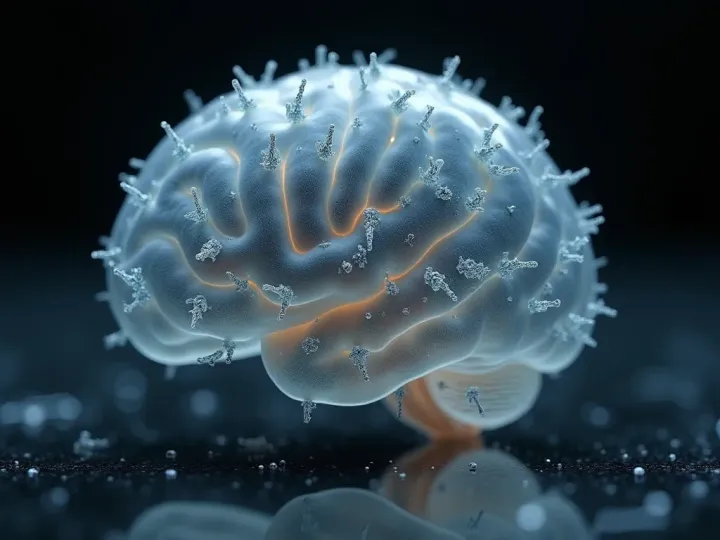
Once inside the neural environment, something alarming happened. The bacteria accelerated the production of amyloid beta protein.

Amyloid beta is the notorious protein that forms toxic clumps in Alzheimer's brains. This suggests a direct mechanical link between oral infection and plaque buildup.
But the story does not end with destruction. When researchers gave these mice drugs that blocked the bacterial enzymes, brain inflammation dropped significantly.
Neural cells showed signs of protection. This is a vital clue for future therapies that target the source rather than just managing symptoms later.
Why This Is Not the Only Cause of Dementia
Here is the thing. We must be careful not to oversimplify a devastating and complex disease like Alzheimer's.
Genetics play a massive role. Aging, high blood pressure, and cardiovascular health are all known contributors to cognitive decline.
Clinical trials using antibacterial drugs have not yet cured Alzheimer's in humans. We are still far from a simple pill solution.
However, this research opens a new door. It suggests that managing chronic inflammation in the mouth may reduce neurological risks over time.
What This Means for Your Daily Habits Now
You do not need to panic. But you should pay closer attention to your oral hygiene routine starting today.
If your gums bleed when you floss, that is a warning sign. It means the barrier between your mouth and your bloodstream is compromised.
Regular dental checkups are no longer just about cavities. They are a critical part of long-term brain health maintenance.
I think about this constantly. The connection between the mouth and the mind is stronger than most people realize.
If you are curious about how other scientific findings reshape our understanding of health, check out this analysis on how scientific research matters in everyday life.
The Future of Targeted Neurological Treatments
Scientists are now investigating whether rigorous oral hygiene can support cognitive wellness as people age.
This shift in perspective could change how we prevent dementia. It moves the focus from late-stage intervention to early prevention.
The drugs that blocked bacterial enzymes in mice offer a promising template. Future therapies may target specific oral pathogens directly.
It is a hopeful direction. But it requires more research and rigorous human trials before we can make strong medical claims.
For now, the safest bet is simple. Keep your mouth clean and healthy. It might be one of the most important things you do for your brain.
This research is a reminder that our body systems are deeply connected. Ignoring one area can have consequences far beyond the immediate site.
If you want to understand how data integrity plays a role in validating such critical health studies, explore this piece on the secret war over scientific data.

Comments ()