The $35 Million Gift That Will Change How We Treat Depression in Utah

The Hidden Cost of Waiting for Cures
Most people assume mental illness is a mystery. That we're stuck guessing what works for depression or addiction, because the brain is just too complex to map. Comfortable assumption. Until last week.
A $ million gift just landed on the doorstep of a major public university. It's not for marketing, and it's not renovations in the traditional sense. The money is fueling a specific, aggressive strategy: shorten the time between lab discovery and patient care.
I was struck by how direct this approach is. It cuts straight through the academic bureaucracy that drags clinical trials out for a decade. The goal here is speed and precision in treating hard-to-diagnose conditions.
A Building That Refuses to Separate Science From Care
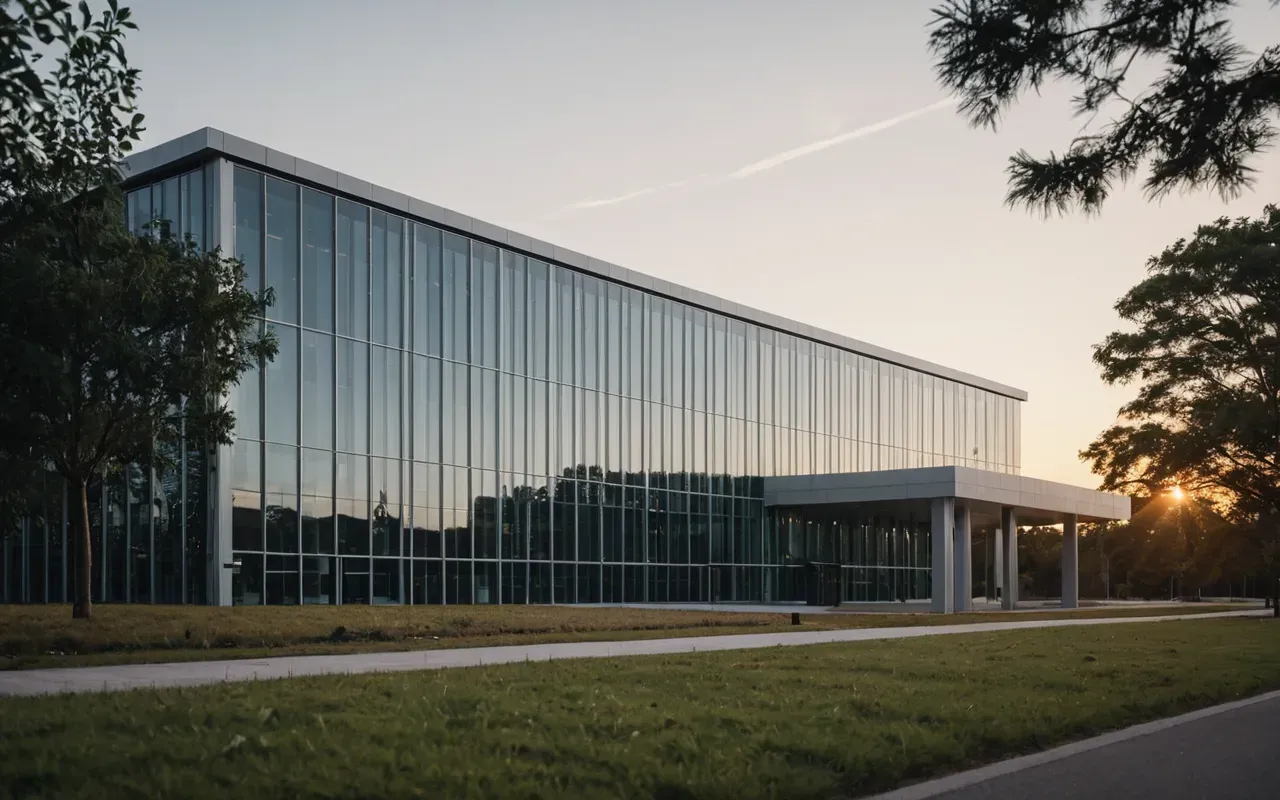
The Larry H. & Gail Miller Family Translational Research Building is set to open in fall . It spans , square feet and sits within a dedicated research park. Not just office space — a functional laboratory ecosystem.
The design philosophy is radical in its simplicity. Scientists and clinicians work on the same floors. Wet labs sit next to computer-based dry labs. That proximity kills the friction that usually slows research to a crawl.
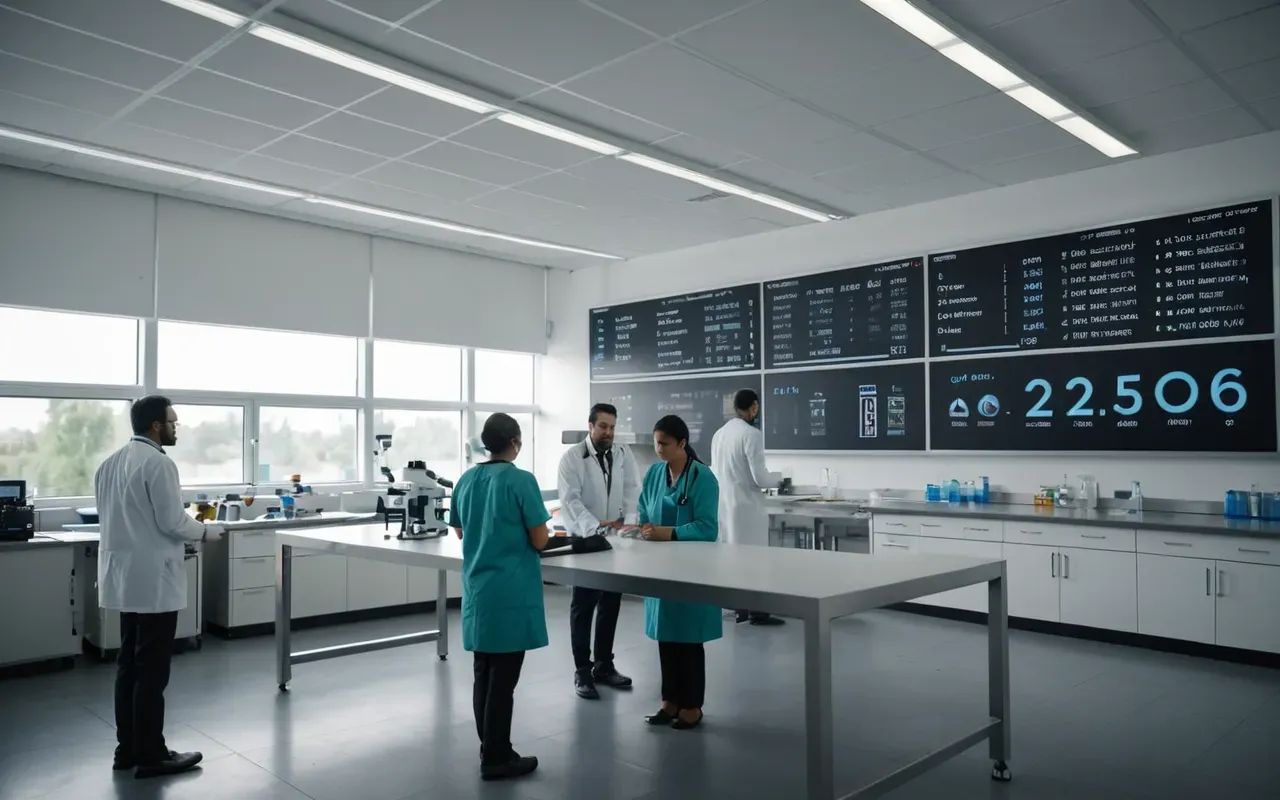
Think about the typical workflow. A researcher finds a biomarker in a mouse model. They write a paper. Years pass before a doctor sees it and tries to apply it clinically. Here, architecture physically closes that gap.
And the integration allows for real-time feedback. If a treatment fails in early trials, the team can adjust immediately instead of waiting for formal publication cycles to wrap up.
The Technology That Makes This Possible
You've probably seen standard MRI machines in hospitals. Powerful tools — they image the body and brain structure with high clarity and precision today.
The new building will house a -tesla MRI scanner. More than twice as powerful as the standard equipment found in most clinical settings across the region.
Why does that matter? Higher magnetic fields reveal microscopic details in brain tissue. Researchers can now see subtle changes in oxygen levels and neural activity that standard machines simply miss.
Studying High Altitude and Depression Links
One specific study uses this scanner to investigate a local anomaly. Utah has higher rates of depression compared to many other states right now.
Scientists suspect lower oxygen levels at high altitude might be a factor. They're testing whether this environmental stressor alters brain function in ways that predispose people to mood disorders.
This isn't theoretical. It directly informs treatment protocols for people whose antidepressants aren't working in their daily lives.
New Treatments for Treatment Resistant Cases
For many patients, standard medication fails. Frustrating reality — it leaves thousands feeling helpless and stuck in their symptoms every day.
The institute is testing focused ultrasound as a noninvasive alternative. The technology can reach deep brain circuits linked to depression and addiction without surgery.
That's a significant shift away from invasive procedures. No open brain surgery required to access these therapeutic interventions — not in this context, anyway.
The Role of Psychedelic Medicine Research
Psychedelic-assisted therapy is part of the portfolio too. Researchers are studying these compounds for conditions that have resisted every other known treatment to date.
This approach pairs chemical intervention with structured psychological support. It targets the root of trauma and addiction rather than just masking surface-level symptoms temporarily.
Folding these advanced therapies into a public health system is notable. It democratizes access to cutting-edge mental healthcare for a broader slice of the population.
Protecting Youth Through Early Brain Mapping
The building will host the Utah site of a massive long-term study. The Adolescent Brain Cognitive Development project follows nearly , young people from ages nine and ten into adulthood.
It's the largest longitudinal study of its kind in the country. It tracks how brains change over time and flags early warning signs of mental illness before crises hit.
Spot those markers early, and clinicians can intervene when care is most effective. A proactive stance — one that contrasts sharply with the reactive model dominating current healthcare systems.

The data is invaluable for understanding the trajectory of addiction and psychosis. It gives parents and doctors a roadmap through those critical developmental years.
The Data Advantage in Suicide Prevention
Suicide remains a leading cause of death for many demographic groups. The institute holds one of the largest datasets on this issue in the world today.
Researchers analyze those records to identify who is most at risk. That predictive modeling helps families and clinicians step in sooner with targeted support.
Sobering work. Necessary, though. The goal isn't just to understand tragedy after it happens — it's to prevent it by pinpointing vulnerability markers precisely.
This data-driven approach removes some of the guesswork from crisis intervention. Resources go where they're most needed and most effective in practice.
Why This Changes the Landscape for Researchers
The $ million gift isn't just a building fund. It's a recruitment tool for top physician-scientists who want to work somewhere that supports rapid innovation and discovery.
Plenty of brilliant minds leave public universities for private labs because of slower processes. This facility offers the speed and resources that keep them engaged and productive.
The partnership between the Miller and Huntsman families creates a sustainable model. It shows how private philanthropy can amplify public health missions without compromising academic integrity.
And it signals a broader trend in scientific funding. Major donors increasingly want tangible outcomes, not just a prestigious name attached to their contribution.
The Broader Implications for Mental Health Care
Mental healthcare has lagged behind other medical fields for decades. This investment helps bridge that gap by applying the same rigorous scientific standards used in oncology or cardiology.
We're moving from a model of support and counseling to one that includes biological interventions. Not about replacing therapy — augmenting it with precise tools.
For patients who have tried everything and found no relief, this is a new horizon. Proof that the science of the mind is advancing at an unprecedented pace right now.
The work done in this building will likely set standards for the rest of the country. Other institutions will look to these methods and results as they plan their own facilities.
What This Means for You as a Reader or Patient
If you're living with mental illness, this news is a signal that options are expanding. The treatments available in five years may look very different from today's.
If you're a researcher or student, this facility offers a unique environment to pursue high-impact questions. Few other public institutions can match these resources.
The key takeaway: mental health science is no longer a black box. It's becoming measurable, predictable, and treatable with increasing precision for everyone involved.
Stay informed about these developments. Understanding the tools available can help you advocate for better care and make more informed decisions about your own health journey.
The Human Element Behind the Science
Behind every dataset and MRI scan is a person seeking relief. The quotes from the foundation leaders emphasize compassion and access as core values of this mission.
This isn't technology for the sake of innovation. It's about reducing suffering and restoring hope to families who have been struggling in silence for years.
You can see the dedication in how the staff and researchers work. They're focused on practical outcomes, and what drives them is a desire to make real change happen fast.
Their work is a reminder that science is ultimately a human endeavor. It serves people with problems and offers solutions grounded in evidence, not speculation or guesswork.
Looking Ahead to the Opening in Fall
Construction began in October and has moved along steadily since. The building should be fully operational by the end of next year, with every system tested.
The naming process still awaits final board approval, but the intent is clear. This facility will stand as a landmark in public health investment and scientific ambition.
While we wait for the doors to open, the groundwork is already laying new foundations. The data being collected now will shape the next decade of mental health science.
This is a moment worth paying attention to. The future of mental healthcare may well be defined by the work happening in these specific labs and clinics right now.
Connecting to Broader Health Research Trends
This initiative fits a larger pattern of growing investment in precise medicine. You might be interested in how specific funding mechanisms are securing millions for medical hubs globally today.
AI integration matters here too. It helps clinicians manage complex data sets and spot patterns that would be impossible to see by hand in a short time.
As we keep exploring these topics, remember that the best research is often invisible until it changes patient outcomes. This building aims to make those changes visible and accessible.
The story of this $ million gift is, ultimately, a story about hope. It's proof that targeted investment can turn scientific curiosity into life saving tools for millions of people worldwide.


Comments ()