What is scientific research and why does it matter

The quiet cost of a single failed experiment
It happens in labs every day. A pipette slips, a reagent degrades overnight, and three weeks of work vanish into the waste bin. To outsiders, it looks like sloppiness. Inside the lab, it is just Tuesday.
We tend to picture science as a linear staircase: idea, test, breakthrough. But the real path is closer to a maze with doors that open randomly. Each detour costs time and money.
And here is the part most people miss: that friction is not a bug. It is how we filter out noise from signal.
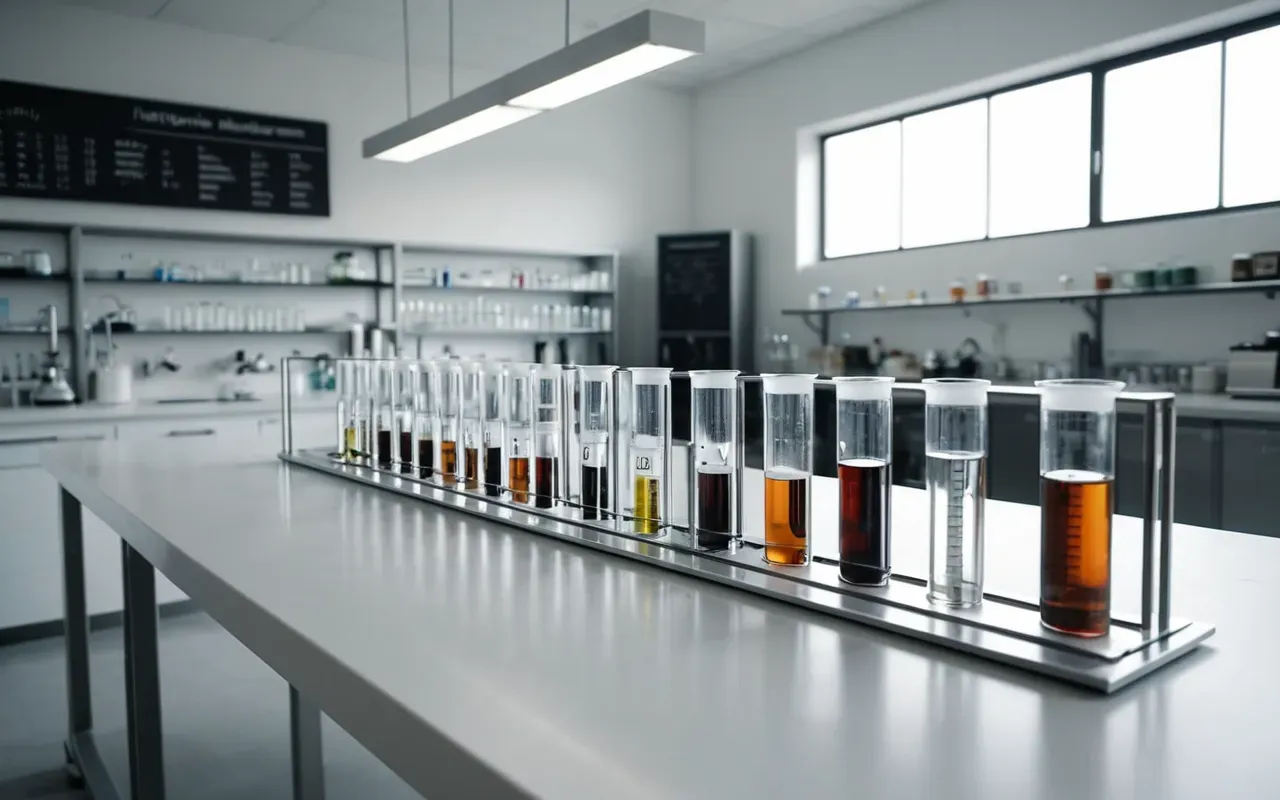
What is scientific research really?
At its core, it is a disciplined process of asking questions and testing answers. We design experiments to see if our predictions hold up under controlled conditions.
This isn't just about gathering data. It is about building a logical chain that others can follow and verify.
Think of it as constructing a bridge. Each plank must be secure before you lay the next one.
The hidden layers beneath a published paper
When you read a journal article, you see the destination. You don't see the dead ends, the failed runs, or the arguments in the lab over which variable to change first.
I've spent time reviewing unpublished notes from early-stage projects. The gap between the final result and the messy process is staggering.
That hidden layer is where real learning happens. It's not in the highlight reel; it's in the rough footage.
The reproducibility myth we keep repeating
We often hear that scientific results are hard to reproduce. This is true in some fields, but the reason is rarely a lack of effort.
It's usually about invisible variables. A slight change in temperature, the brand of plastic used for a container, even the humidity level can skew results.
So when we say a study is 'robust,' we are talking about controlling for these hidden factors. It's harder than it sounds.
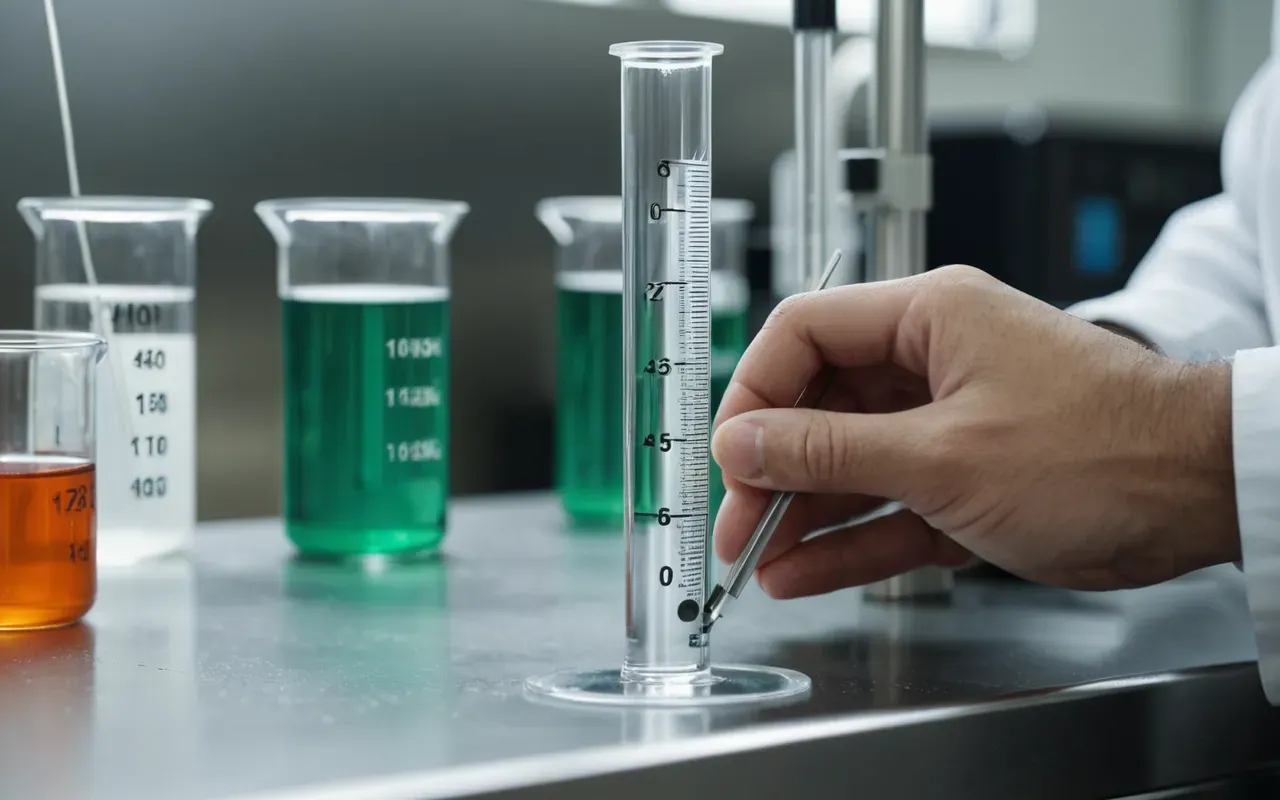
Why natural products face a statistical ghost problem
Many plant-derived compounds show promise in early tests. But when we move to larger trials, the effects often disappear.
This is what I call a statistical ghost. The compound appears to work in small samples but fades into insignificance with more data.
If you're curious about why your favorite plant compound might be a statistical ghost in larger studies, there is more to it than just sample size.
The chemical complexity of natural extracts makes standardization nearly impossible. Two batches from the same plant can behave differently.
The role of polymers in modern health innovation
Polymers are often overlooked. They don't make headlines like new drugs do. But they are the backbone of drug delivery systems.
A polymer can control how slowly a medication releases into the body. It's like setting an internal timer inside your bloodstream.
This is where materials science meets biology. And the results are quietly reshaping treatment protocols worldwide.
The quiet shift in how we design health experiments
There is a growing push toward open data and transparent methods. Labs are sharing raw datasets to allow independent verification.
This is not just about ethics; it's about efficiency. If we can verify a result quickly, we save years of redundant work.
I've watched this shift change lab culture. It's less about protecting your 'secret sauce' and more about contributing to a shared knowledge base.

What this means for the next decade of health science
We are moving toward more integrated approaches. Chemistry, biology, and data analysis are merging into a single workflow.
The next breakthrough might not be one new molecule. It could be a smarter way to test existing ones.
The future is less about discovery and more about verification. And that shift will save billions in wasted resources.
Frequently Asked Questions
What is scientific research in simple terms?
It is a systematic process of asking questions and testing answers through controlled experiments. The goal is to build reliable knowledge that others can verify and apply.
Why do some studies fail to reproduce?
Invisible variables like temperature, reagent quality, or equipment calibration can skew results. Without strict controls, these factors make replication difficult.
How do polymers improve drug delivery?
They act as carriers that control release rates. A polymer can slow or speed up how a medication enters the bloodstream, optimizing treatment effectiveness.

Comments ()