Innovative Polymer Research Unlocks New Horizons in Health Science in the Netherlands
The Growing Role of Polymers in Modern Health Sciences
In recent years, polymers have dramatically transformed the health sciences landscape, offering versatile solutions ranging from drug delivery systems to biocompatible medical devices. Thanks to innovations in organic chemistry and material science, researchers in the Netherlands and worldwide are developing polymers that not only enhance therapeutic efficacy but also improve patient safety and comfort. The versatility of polymers—long chains of repeating molecules—allow them to be engineered for specific biological interactions, making them invaluable in personalized medicine. For instance, biodegradable polymers are now being crafted to safely break down within the body after releasing their therapeutic payload, reducing the need for invasive procedures and minimizing side effects. Such advancements are crucial in managing chronic diseases, where sustained and controlled drug release significantly improves patient outcomes. Leading laboratories at Dutch universities, like Delft University of Technology and the University of Amsterdam, are pioneering research that integrates polymers with natural products, creating bio-inspired materials that mimic physiological functions. These developments are a testament to how interdisciplinary approaches in chemistry, biology, and material sciences fuse to drive innovative health solutions. As the field progresses, the focus remains on creating smarter, more responsive polymers that can adapt to biological environments, enabling new frontiers in regenerative medicine, diagnostics, and even immune modulation. Lightly revolutionary, these polymer-based breakthroughs are poised to redefine conventional health therapies, making outcomes safer, more effective, and customizable. Exploring the implications of these research trends reveals that the future of health science may largely depend on the sophisticated design and application of biocompatible polymers, emphasizing the importance of continued investment in Dutch research capabilities.
Natural Product Derivatives and Organic Chemistry Drive Innovation in Polymers for Health Applications
The intersection of natural products and organic chemistry offers a fertile ground for developing advanced polymers with unique health applications. Dutch scientists are increasingly harnessing naturally derived compounds, such as plant-based polyphenols and microbial metabolites, to synthesize polymers with exceptional biocompatibility and therapeutic properties. These bio-based polymers are showing great promise in areas like wound healing, tissue scaffolding, and controlled drug release. Organic chemistry techniques enable precise modification of these natural molecules, tailoring their physical and chemical properties to fit specific biomedical needs. For instance, research teams at Wageningen University have developed polymeric materials derived from natural antioxidants, leading to enhanced protection against oxidative stress in damaged tissues. These innovations not only improve the efficacy of health interventions but also align with broader sustainability goals by utilizing renewable resources. Moreover, organic chemistry aids in creating polymers that can respond to biological stimuli—such as pH changes or enzyme presence—making them highly adaptable to in vivo environments. Such smart materials open up exciting possibilities for personalized medicine and regenerative therapies. This synergy between natural products and organic chemistry exemplifies how traditional knowledge and cutting-edge science come together to impact health positively. As research continues, the Dutch scientific community's focus on green chemistry and sustainable material design promises to deliver a new generation of health-focused polymers that are both effective and environmentally friendly.
Emerging Trends and Practical Applications of Polymers in Healthcare in the Netherlands
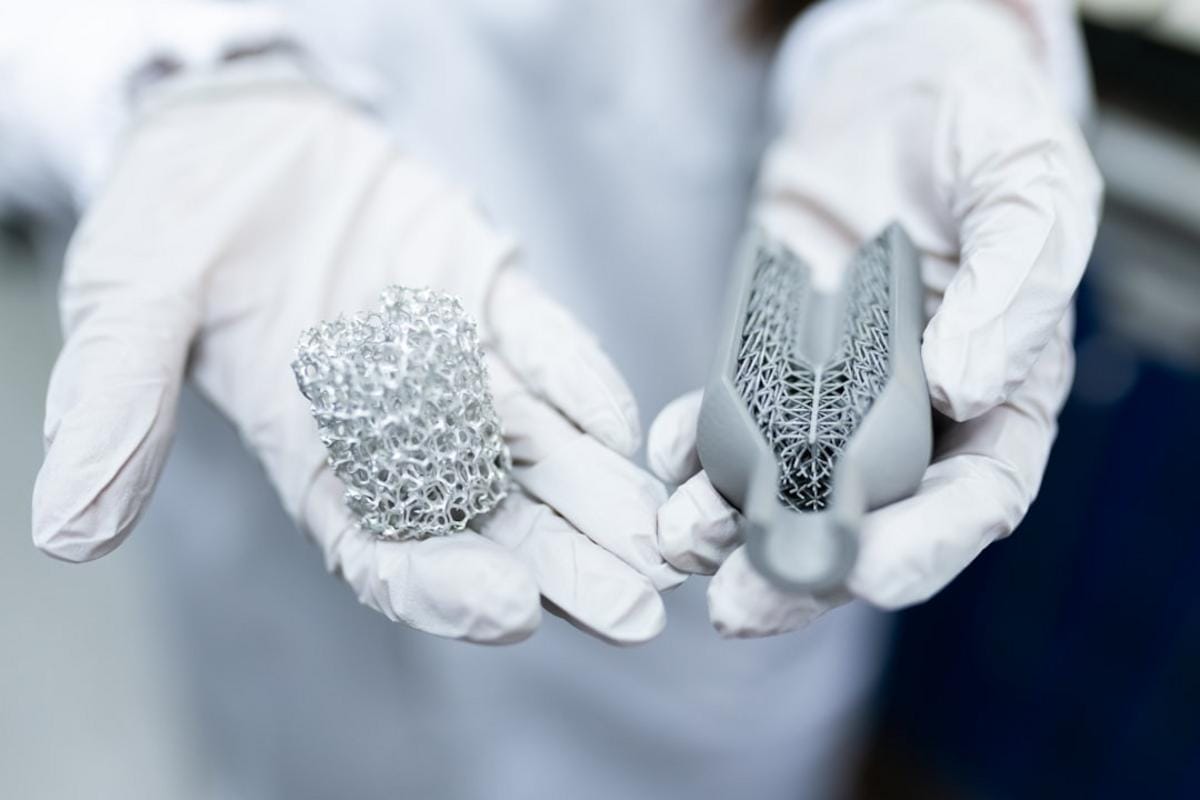
The Dutch health research ecosystem is at the forefront of translating polymer science into tangible medical applications. Recent breakthroughs include the development of polymer-based biosensors for early disease detection, personalized implants that match patient-specific tissue characteristics, and advanced wound dressings that facilitate faster healing with minimal scarring. Research institutes such as the Dutch Polymer Institute (DPI) and partnerships with industry leaders foster collaboration that accelerates the translation from laboratory to clinical settings. Notably, innovations in nanostructured polymers are leading to improved vaccine formulations, providing targeted immune responses with reduced side effects. Additionally, sustainable polymers made from renewable natural products are being explored for single-use medical devices, aligning health innovation with environmental responsibility. These practical applications exemplify how research-driven initiatives in the Netherlands serve to address pressing health challenges—such as aging populations and chronic diseases—through innovative polymer solutions. As these technologies mature, regulatory pathways are being streamlined to facilitate widespread adoption and integration into healthcare systems. The excitement among Dutch researchers and clinicians alike is palpable, as ongoing projects promise to usher in an era where smart, biocompatible, and sustainable polymers become routine components of medical practice. Observing these scientific advances underscores the crucial role that ongoing Dutch investments in research infrastructure play in shaping the future of health science across Europe and beyond.

Comments ()