Innovative Polymers Transforming Health Research and Applications in the Netherlands
The Role of Polymers in Advancing Health Sciences in the Netherlands
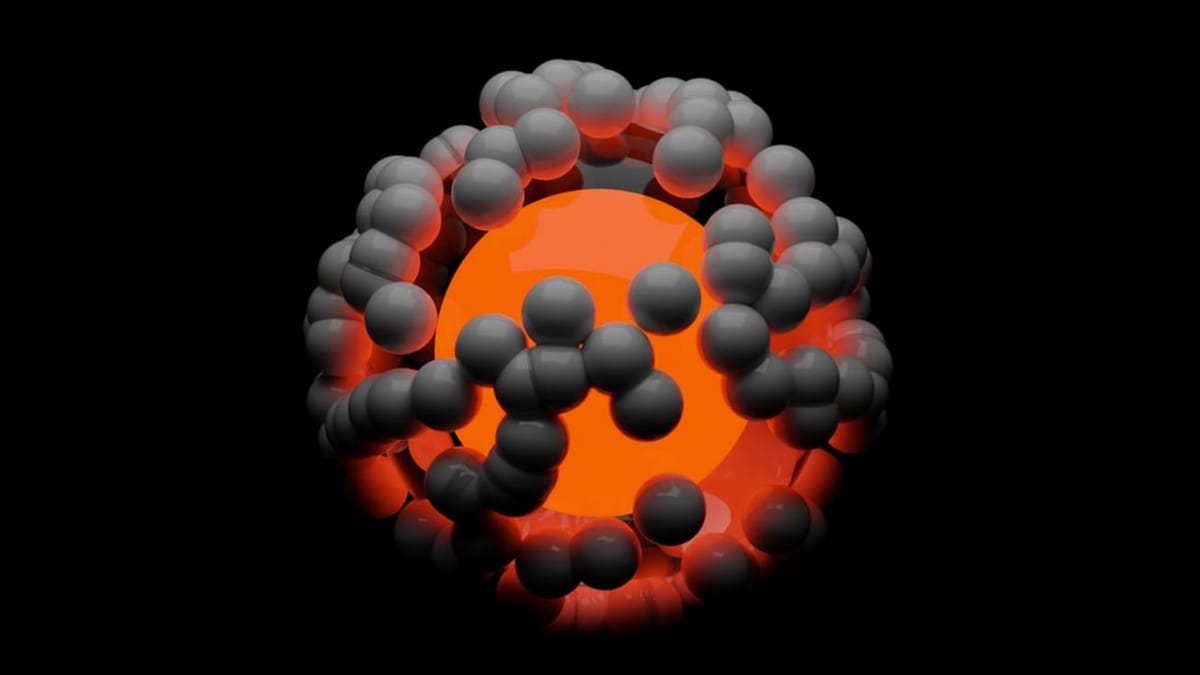
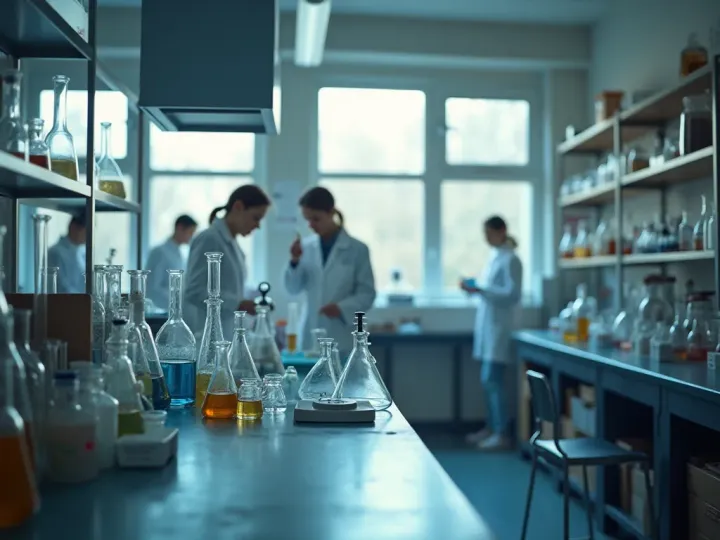
Polymers have become integral to the advancement of health sciences, particularly within the Dutch scientific community, where recent research has highlighted their versatile applications ranging from drug delivery systems to biodegradable implants. In the Netherlands, renowned institutions are pioneering studies that leverage polymer chemistry to enhance patient outcomes, especially through the development of sustainable and biocompatible materials. For example, innovative biodegradable polymers are now being designed to gradually release therapeutic agents directly at targeted sites, reducing side effects and improving efficacy. This convergence of organic chemistry and materials science is opening new corridors for personalized medicine, allowing treatments to be tailored to individual patient needs. Moreover, Dutch research labs are also exploring eco-friendly polymers derived from natural products, aligning with the country’s commitment to sustainability. Such polymers not only support health objectives but also promote environmental conservation, making them particularly appealing for future medical applications. Overall, these scientific pursuits emphasize the importance of composite polymer systems that are safe, effective, and environmentally conscious, underscoring the Netherlands’ position at the forefront of health-related polymer development.
Recent Breakthroughs in Natural Product-Derived Polymers with Medical Applications
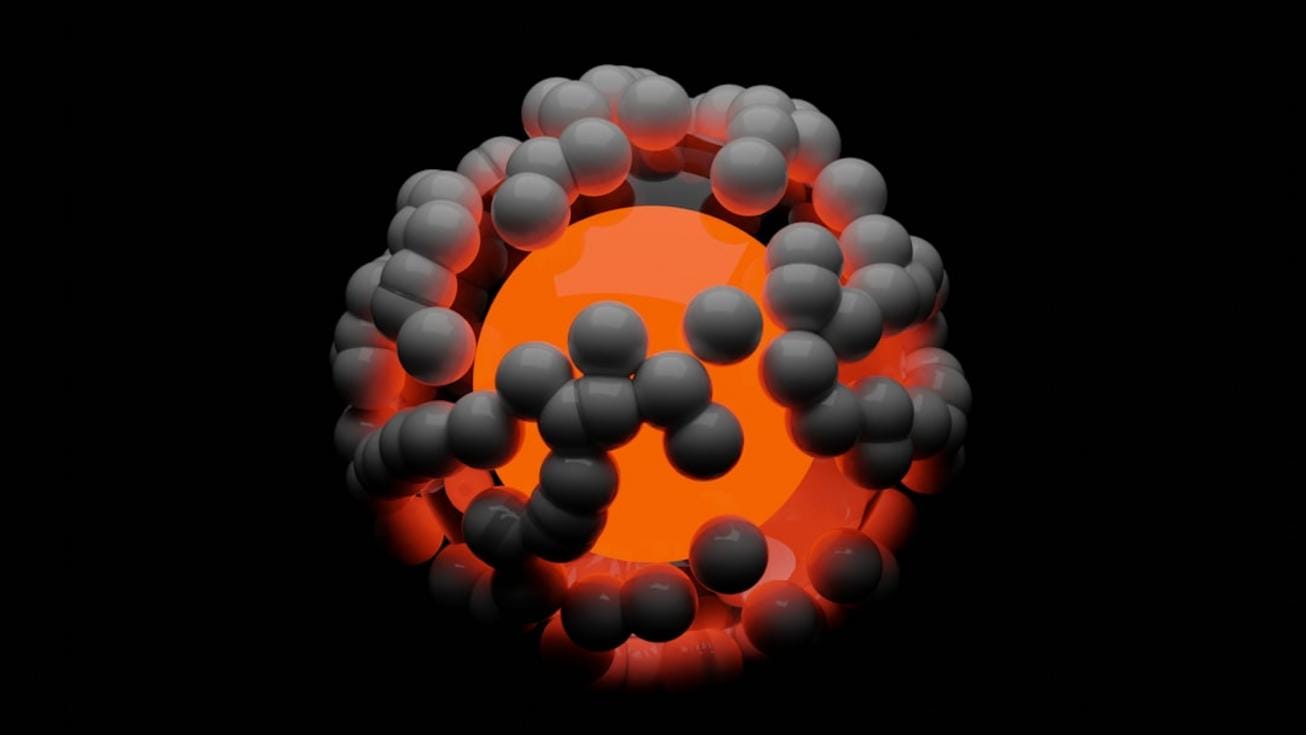
Scientific research in the Netherlands has achieved remarkable progress in harnessing natural products to create advanced polymers with significant health benefits. Researchers are focusing on extracting bioactive compounds from local flora and transforming them into functional polymers that can be used for wound healing, regenerative medicine, and targeted therapy. What makes these developments especially exciting is their ability to combine biocompatibility with potent biological activity. For instance, recent studies have isolated plant-derived polysaccharides that serve as excellent scaffolds for tissue engineering, promoting cell growth and accelerating healing processes. Additionally, the integration of organic chemistry techniques has allowed scientists to modify these natural polymers, enhancing their stability and functionality. The Dutch pharmaceutical industry is actively exploring these innovations, with some projects moving towards commercial applications, including natural polymer coatings for medical devices. These discoveries underscore the potential for a sustainable future in medical science, relying on the innovative use of resources already present in nature to improve human health.
Organic Chemistry's Contribution to the Development of Biocompatible Polymers
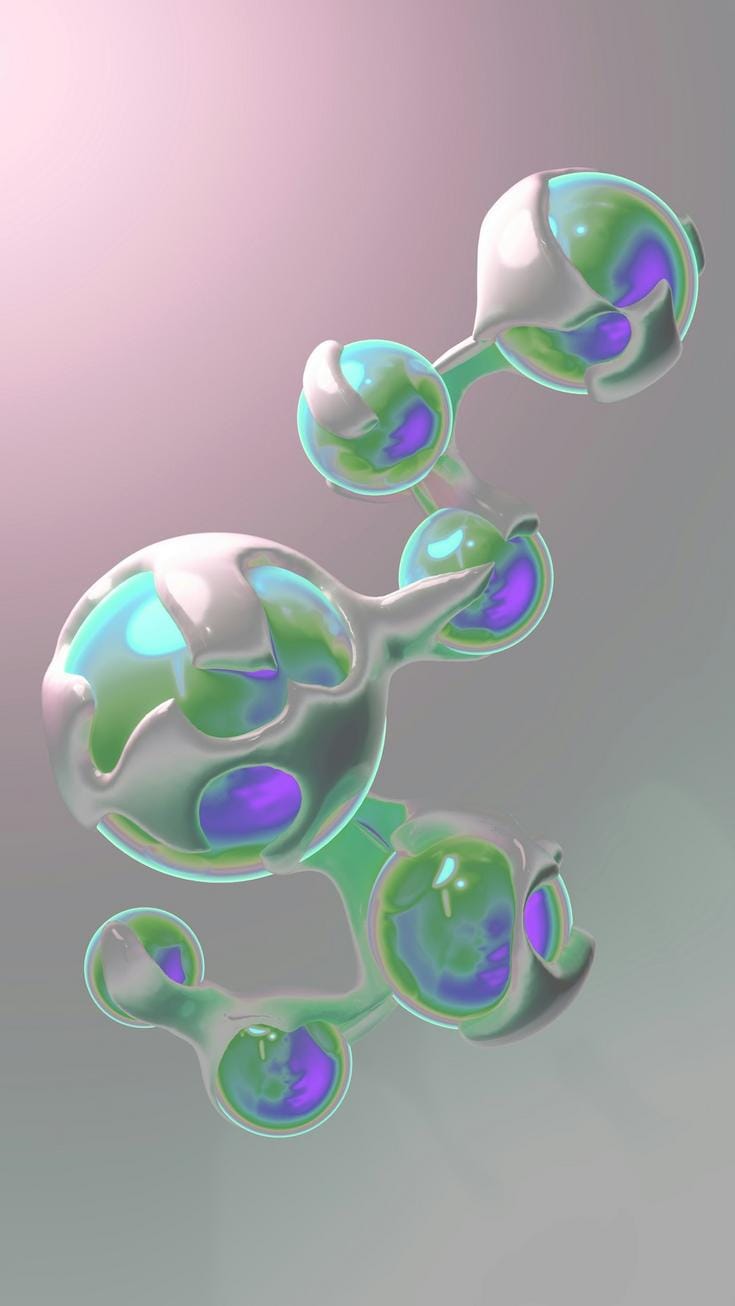
The application of organic chemistry principles has led to groundbreaking developments in creating biocompatible polymers suitable for various medical interventions. Dutch chemists are employing sophisticated synthesis techniques to produce polymers that mimic natural biological structures, thereby reducing immune responses and increasing integration with human tissues. These efforts are particularly evident in the design of functionalized polymers that serve as scaffolds for cell growth or as carriers for pharmaceuticals, ensuring controlled release and improved stability. Innovations such as click chemistry and enzymatic polymerization are being used to fine-tune polymer properties, resulting in materials that meet the stringent requirements of medical applications. Such custom-designed polymers are essential for regenerative medicine, including cartilage repair, wound healing, and gene therapy. The collaborative efforts between academia and industry in the Netherlands are accelerating the translation of these organic chemistry-driven discoveries into practical medical solutions that could revolutionize patient care in the near future.
Emerging Trends and Future Perspectives in Health-Related Polymer Research in the Netherlands
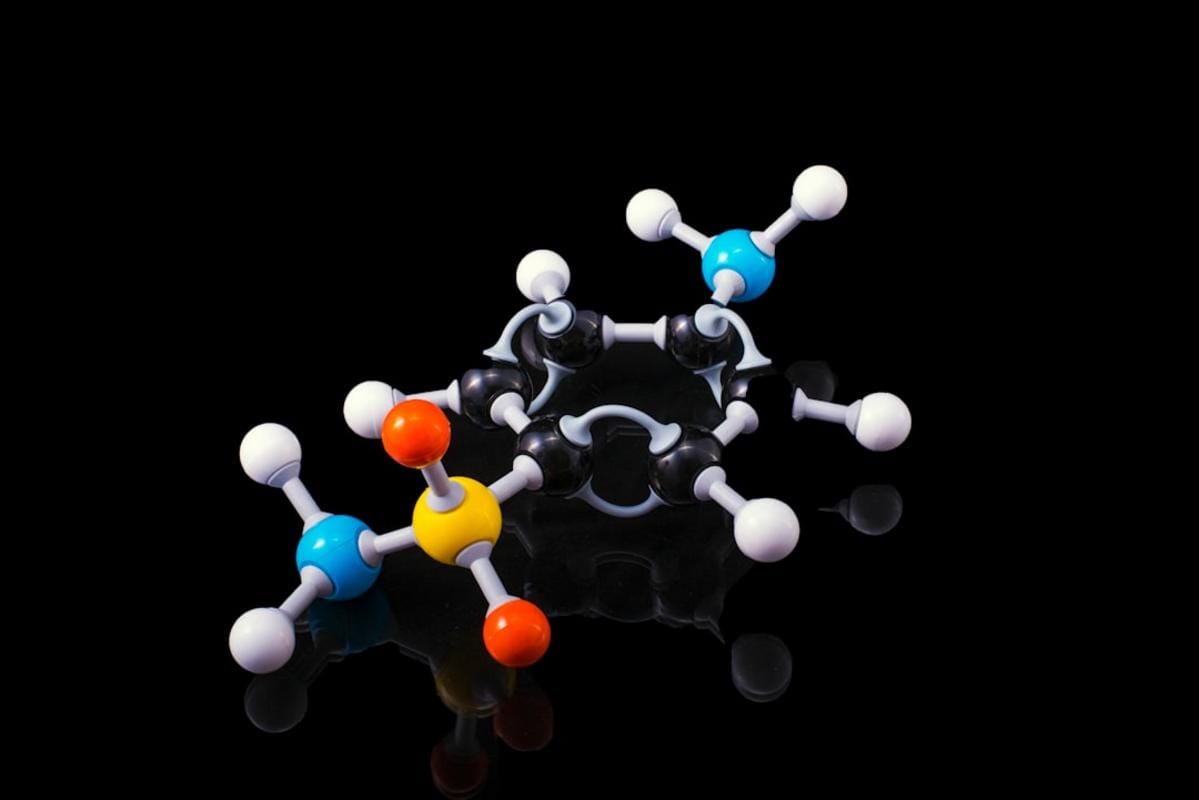
As the scientific community continues to innovate, the future of health-related polymers in the Netherlands looks promising, driven by interdisciplinary approaches that combine natural products, organic chemistry, and biomedical engineering. Several emerging trends include the development of smart polymers that respond to environmental stimuli, enhancing targeted therapy and diagnostics. Furthermore, the focus on sustainability is guiding research towards biodegradable and renewable polymer sources, aligning with global efforts to reduce environmental impact. Advances in nanotechnology are also opening doors for creating highly precise drug delivery systems that can navigate complex biological environments. Institutional collaborations across Dutch universities, biotech companies, and research centers are fostering a vibrant ecosystem dedicated to translating these scientific insights into real-world health solutions. Ultimately, these efforts are poised to produce safer, more effective, and environmentally friendly medical products, ensuring that the Netherlands remains a key player in shaping the future of health science with innovative polymer solutions.

Comments ()