Advancements in Polymers Transforming Health Research in the Netherlands
The Role of Polymers in Modern Health Science Innovation
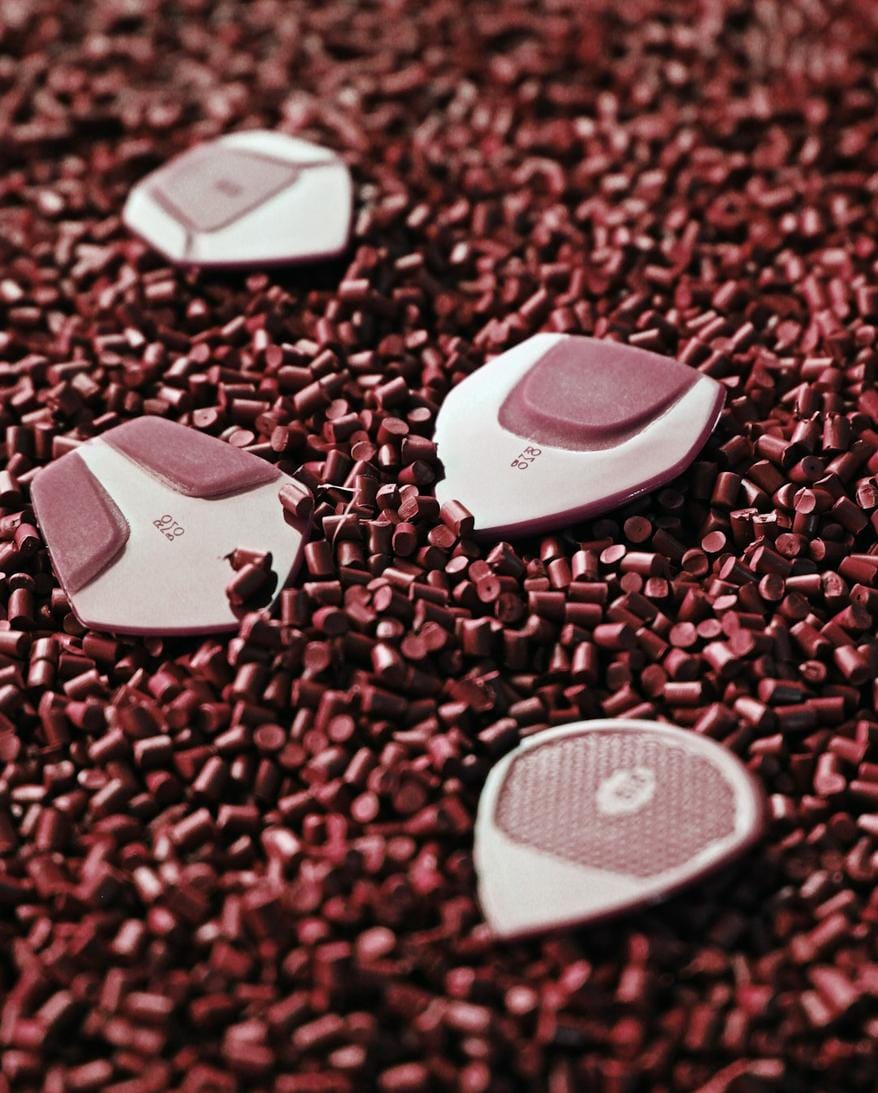
Polymers have long been a cornerstone of scientific progress, particularly in health sciences where they serve as essential materials for drug delivery systems, regenerative medicine, and diagnostic tools. In recent years, the Netherlands has positioned itself as a leader in this domain, fostering a vibrant research environment that harnesses the unique properties of natural and synthetic polymers. The integration of polymers derived from organic chemistry is enabling breakthroughs in personalized medicine, creating possibilities for tailored treatments that enhance patient outcomes. Notably, Dutch laboratories are investigating biodegradable polymers that are not only biocompatible but also capable of degrading within the human body, significantly reducing long-term side effects. These innovations are shaping the future landscape of health research, emphasizing sustainability and safety, and opening new avenues for clinical application across a spectrum of medical disciplines.
Natural Polymers and Organic Chemistry Innovations Supporting Health Advances
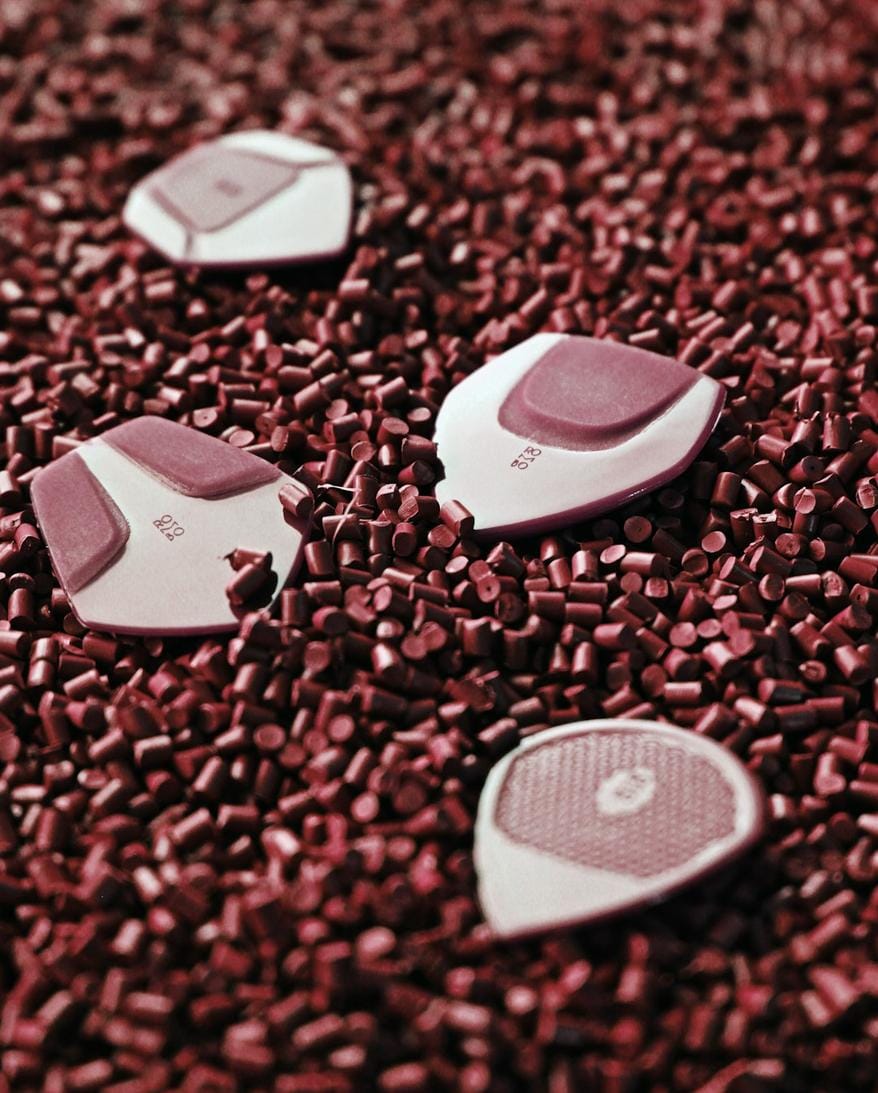
Natural polymers such as chitosan, alginate, and cellulose are increasingly being explored for their potential in medical applications within the Netherlands. These biopolymers, sourced sustainably from plants and marine organisms, offer remarkable biocompatibility and functional versatility, making them ideal for wound healing, tissue engineering, and controlled drug release. The convergence of organic chemistry with polymer science allows researchers to modify these natural polymers at a molecular level, enhancing their properties and expanding their applicability. For instance, recent studies highlight how chemical functionalization of alginate can improve its ability to support nerve regeneration, providing promising directions for neurodegenerative disease treatments. The Dutch academic and industrial sectors are collaborating to develop eco-friendly, cost-effective biomaterials, bridging scientific discovery with practical healthcare solutions that respect environmental sustainability.
Emerging Trends in Polymer-Based Nanomedicine and Biocompatible Materials
Nanotechnology combined with polymers is revolutionizing health sciences, especially through the development of nanomedicine. Dutch scientists are pioneering methods to engineer polymeric nanoparticles that enhance targeted drug delivery, improve imaging techniques, and minimize adverse effects. Innovations in this area include polymer coatings that facilitate crossing biological barriers such as the blood-brain barrier, enabling treatments for neurological disorders. Furthermore, biocompatible and biodegradable polymers are being incorporated into implantable devices, reducing the risk of rejection and eliminating the need for secondary surgeries. These cutting-edge advancements are not only boosting the efficacy of treatments but also aligning with global efforts towards more sustainable and patient-centric healthcare, marking a significant leap in medical technology that holds immense promise for future health interventions.
The Future of Health Research Driven by Polymer Science in the Netherlands
Looking ahead, the intersection of polymer science and health research in the Netherlands is poised for transformative growth. Ongoing projects focus on using advanced polymers to develop smart health monitoring systems, implantable biosensors, and personalized medicine platforms. The emphasis on sustainable materials aligns well with the country's strong environmental policies, leading to innovations that are both scientifically groundbreaking and ecologically responsible. Collaborative efforts between universities, biotech firms, and government agencies are fostering a fertile environment for innovation, with significant funding directed towards translational research that will bring laboratory discoveries into clinical practice. With increasing investment in organic and natural polymer research, Dutch scientists continue to push the boundaries of what's possible in health sciences, inspiring the global community with new models of sustainable, effective, and patient-focused healthcare solutions.



Comments ()