The Bacteria Eating Your Memory Hides in Plain Sight
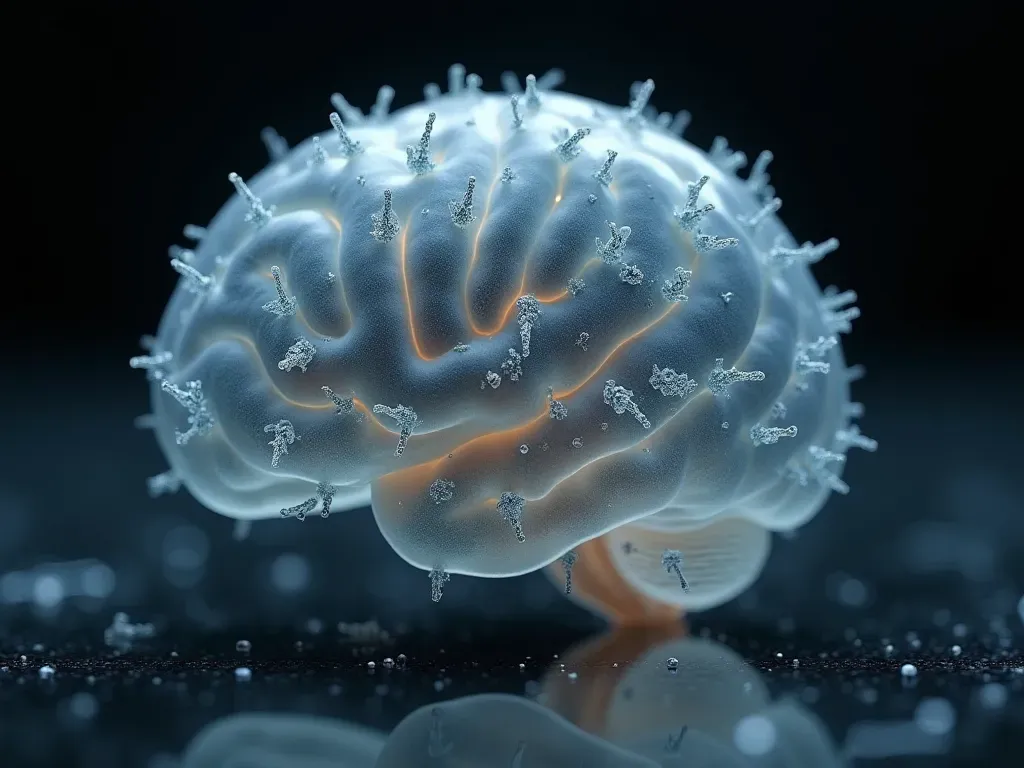
The Silent Invader in Your Mouth
Look. I have never thought about my toothbrush as a potential weapon against my own brain. It feels absurd to say it out loud. Yet here we are in late September 2026, staring at data that changes everything.
A study published in Science Advances has dropped a bomb into the field of neurology. Researchers found toxic bacteria from severe gum disease inside the brains of Alzheimer's patients.
This is not just a correlation. It is a biological pathway that has been hiding in plain sight for decades.

How Bacteria Breaches the Blood Brain Barrier
The culprit is Porphyromonas gingivalis. This bacterium causes chronic periodontitis, a condition that makes gums bleed and recede.
Here is the thing. When gums are inflamed, blood vessels weaken. Simple acts like chewing or brushing force these microbes into your bloodstream.
Once in the blood, they travel. They cross into the brain and start a slow fire of neuroinflammation.
I found it striking that nearly ninety-six percent of the brain samples contained enzymes from this specific oral bug.
The Mouse Experiments That Changed Everything
Scientists did not stop at dead tissue. They moved to live animal trials.
They introduced the gum bacteria into mice. The microbes migrated to their brains within days.
Once inside the neural environment, the bacteria accelerated amyloid beta production. This protein forms toxic clumps in Alzheimer's brains.

But then they tried a drug. It blocked the bacterial enzymes. Brain inflammation dropped sharply.
Neural cells showed signs of survival. This is a vital clue for future therapies.
Is Poor Dental Hygiene the Direct Cause
To be fair, this does not mean bad teeth cause the disease. Alzheimer's is complex.
Genetics matter. Aging matters. High blood pressure plays a role.
Clinical trials using antibacterial drugs have not cured patients yet. We are still far from a simple fix.
But the risk is real. Managing chronic inflammation in your mouth may lower neurological risks later.
What This Means for Your Daily Routine
You do not need to panic. But you should take your dentist's advice seriously.
Brushing gently and flossing daily reduces bacterial load. It is a small habit with massive potential implications.
I often think about how we treat our bodies as separate machines. The mouth is not just for eating.
It is a gateway to your entire immune and nervous system. Treat it with respect.
The Broader Implications for Medical Science
This discovery opens new doors. Researchers are now looking at how oral hygiene interacts with brain aging.
If you follow the world of health innovation, this is a milestone. It links two fields that rarely talk.
Dentists may soon become part of the conversation about dementia prevention.
We are moving past the idea that the brain is isolated from the rest of our biology.
Institutions are beginning to fund studies that bridge dentistry and neurology. This is where the money will go.
Why Researchers Are Excited About This Finding
The specificity of the enzyme detection is what excites me most. It points to a direct mechanism.
It is not just general inflammation. It is the work of a specific bacterial product.
This gives scientists a target. You can design drugs to block that specific pathway.
It shifts the focus from treating symptoms to preventing damage at the source.
For those in the scientific community, this is a call to action. We need more cross-disciplinary collaboration.
If you are curious about how funding decisions shape these breakthroughs, there is a lot to learn from the current landscape. Understanding who controls the money gives context to why some studies get traction and others do not.
A New Lens on Cognitive Wellness
We often think of brain health in terms of diet and exercise. That is still true.
But now we must add oral care to the list. It is not a luxury. It is maintenance.
I have started paying more attention to the type of toothpaste I use. It feels small but significant.
There is a growing body of research suggesting that certain additives in oral care products may interact with gut and brain chemistry.
If you are interested in how natural compounds can sometimes have unexpected effects on health, it is worth exploring the broader implications. The idea that your supplement might actually be making you sicker resonates with this new data.
What You Can Do Starting Tomorrow
Schedule a dental checkup. Tell your dentist you are concerned about gum inflammation.
Use a soft bristle brush. Aggressive scrubbing can push bacteria into the blood.
Floss daily. It removes plaque where brushes cannot reach.
Monitor for bleeding. If your gums bleed easily, see a professional.
Reduce sugar intake. Bacteria feed on sugars and produce acid.

The Future of Oral Brain Research
We are only at the beginning. More studies will confirm these findings.
Researchers are developing targeted therapies that block bacterial enzymes in the brain.
This could lead to new treatments for early stage cognitive decline.
The integration of dental and neurological care may become standard practice within a decade.
It is a shift that will change how we view prevention and daily habits.
For now, the message is clear. Your mouth and your brain are more connected than we thought.
Take care of one and you may protect the other. It is that simple.


Comments ()