AI Agents Just Solved The Hardest Problem in Science
The End of the Guessing Game in Labs
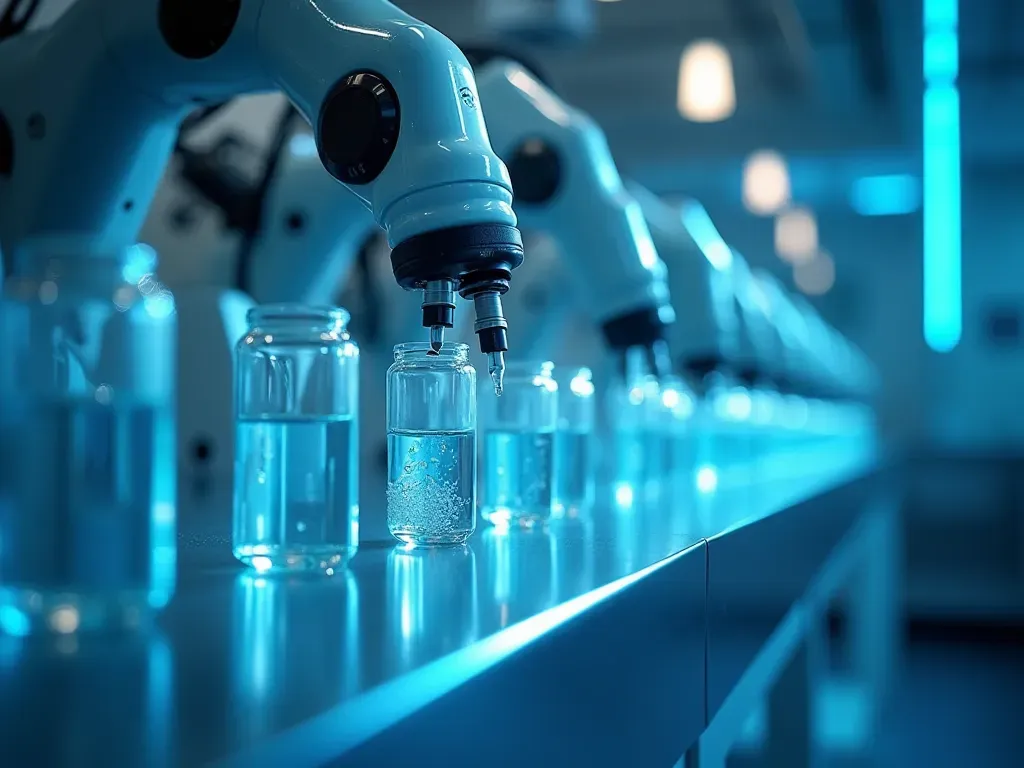
Ask most scientists what they actually do all day and they'll be honest with you: a lot of it is guessing. You get a hunch. You run an experiment. It fails. You try again. That loop eats years of careers and millions in grants.
But what if the guessing could be outsourced? Not to a human assistant — to a team of AI agents working in parallel. That's exactly what Dualverse has just released.
The system is called Station. It doesn't write papers. It runs experiments. It tests hypotheses inside a sandboxed digital environment and comes back with verifiable data.
For the Dutch scientific community, this isn't just a tech toy. It's a potential shift in how we approach natural products and polymer science.
Why Human Intuition Is Failing Us
Look at the math. A typical PhD takes four to six years. In that time, a researcher might test five or ten major hypotheses.
Now imagine an agent that tests fifty in the same window. It doesn't get tired. It doesn't get an ego. It just runs until it finds a signal.
In health sciences, we often get stuck in local maxima. We find a good result and stop. AI agents can explore broader solution spaces simultaneously.
How Station Actually Works Under the Hood
You input a topic. Say, optimizing a polymer for biodegradability in marine environments.
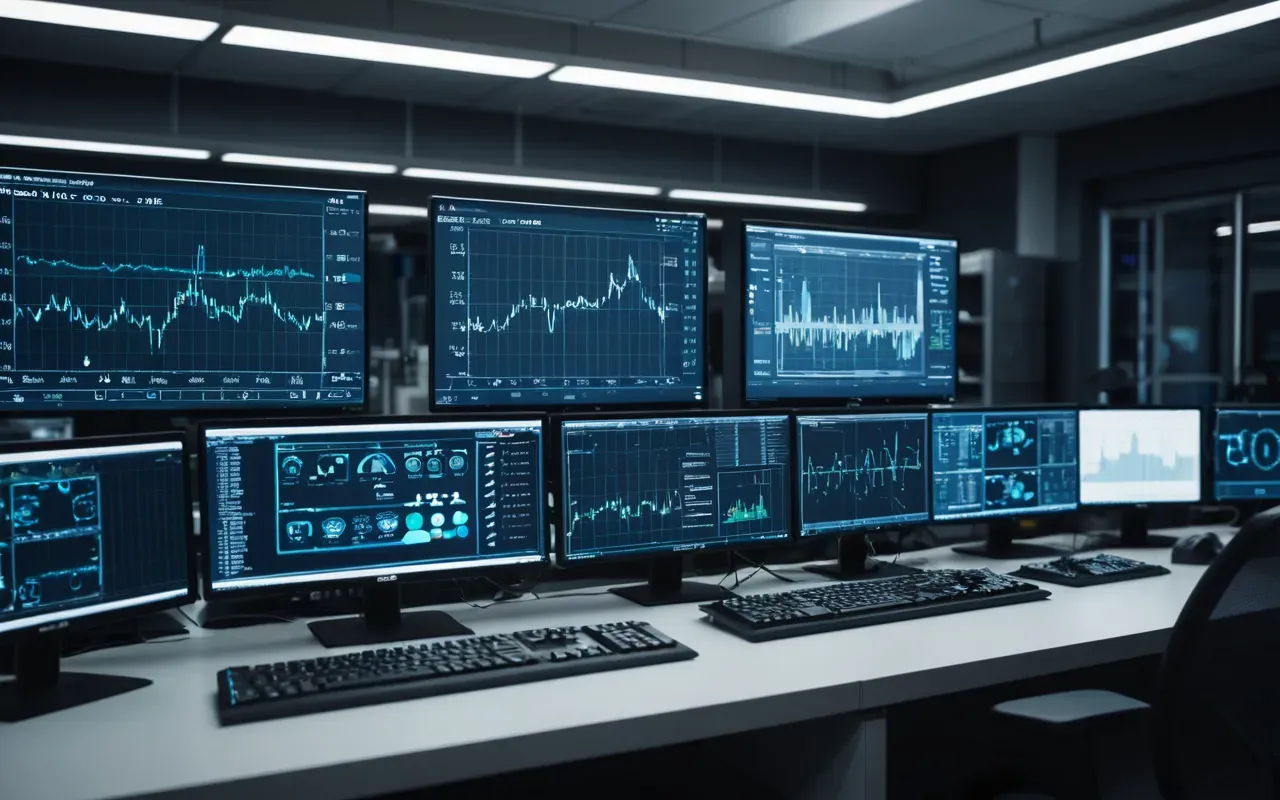
Station spawns multiple agents. One tries a chemical modification route. Another adjusts the synthesis temperature. A third digs through historical failure data.
These agents talk to each other. If one hits a dead end, it shares that data so the others don't repeat the mistake. Collaborative evolution, in action.
And the output isn't just a number. It's a full experimental log. You can trace every decision the agents made, and why.
The Real Impact on Health Sciences
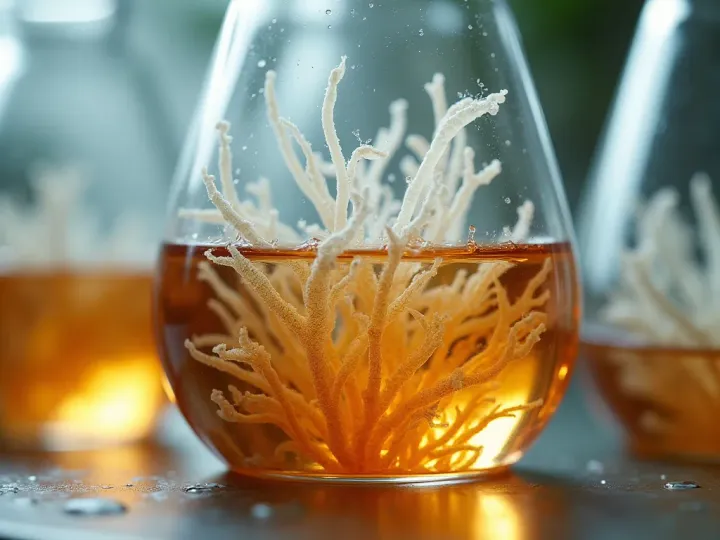
Consider natural product extraction. Traditionally, we screen plants one by one. Slow. Expensive.
With Station, we could simulate thousands of extraction conditions virtually before touching a single flask. Saves resources, accelerates discovery.
If you're interested in the data challenges behind this, check out how natural product data is becoming more accessible through new digital tools.
In polymer science for medical devices, we need materials that are safe and effective. AI can optimize these properties faster than manual trial and error.
The Skeptic's View on AI Research
I'm not naive. I know these systems can hallucinate results or get stuck in loops.
The key difference here is verification. Station requires verifiable experimental records. You can check the work.
That's a major step away from black-box AI. We're moving toward white-box scientific reasoning.
Still, we need to be careful. The agents are only as good as the data we feed them.
What This Means for Dutch Researchers
The Netherlands has a strong tradition in chemical engineering and health innovation. This tool gives us an edge.
Universities can integrate this into their curricula. Students learn to manage AI teams, not just run pipettes.
Industry can use it for rapid prototyping of new materials. Speed to market becomes a key differentiator.
If you want the broader context of AI in science, read about the real meaning of scientific research and how it's evolving.
The Road Ahead for Autonomous Science
This is not the end of human scientists. It's a change in their role.
We become directors of AI teams. We set the goals, we review the outputs. The drudgery is gone.
The next decade will be defined by who masters this collaboration best. The tools are here now.
For those in health science, the opportunity is massive. We can solve problems that were previously out of reach.
The question isn't if we'll use it. The question is how fast we can adapt.
Final Thoughts on the New Scientific Era
Dualverse Station is a significant step. It bridges the gap between theoretical AI and practical lab work.
As researchers in the Netherlands and beyond, we have a duty to explore this fully.
The future of health science isn't just about better drugs or materials. It's about how we discover them.
Let's embrace this change with open eyes and critical minds. The tools are powerful, but the vision must be human.
Comments ()