Your natural supplement might actually be making you sicker

The Dangerous Gap Between Feeling and Knowing
I got stuck on the irony in a recent press release. A company is celebrating awards for bridging education and natural products. But here's the thing: they are selling hope as if it were a clinical outcome.
Nirvana Wellness Store recently highlighted its mission to help women understand their bodies. They claim products emerge from experience rather than trends. That sounds reasonable on the surface.
But let's be honest. Experience is not data. Listening to customers does not constitute a peer-reviewed study. There is a massive difference between empathy and efficacy.
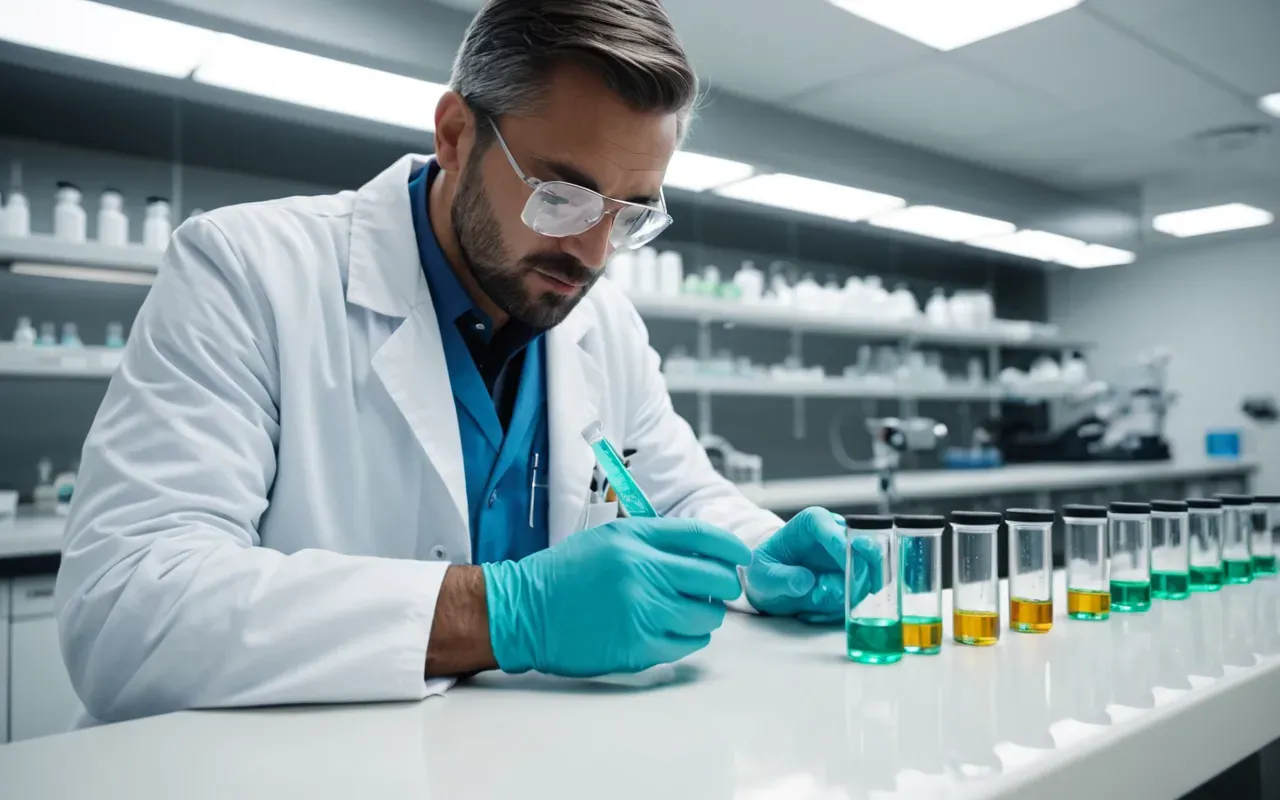
Why Awards Are Not Scientific Proof
The brand earned the Best of South Carolina designation for Holistic Health. They were also named a Best Practice by local media outlets.
These are community votes. They reflect customer satisfaction and brand presence. They do not measure physiological impact or safety profiles.
To be fair, winning a local award is impressive for a small business. It shows market traction. But it tells us nothing about the chemistry inside those bottles.
We keep seeing this pattern. Brands conflate popularity with accuracy. They assume that if enough women feel better, the product must be working correctly.
The Problem With Vague Natural Claims
Nirvana promises to help women understand why ingredients support hormonal balance. This is the critical failure point.
Without specific dosage data and clinical trials, 'support' is a meaningless word. It suggests assistance without defining the mechanism of action.
I have read too many papers where 'natural' compounds interact unpredictably with standard treatments. The lack of transparency here is worrying.
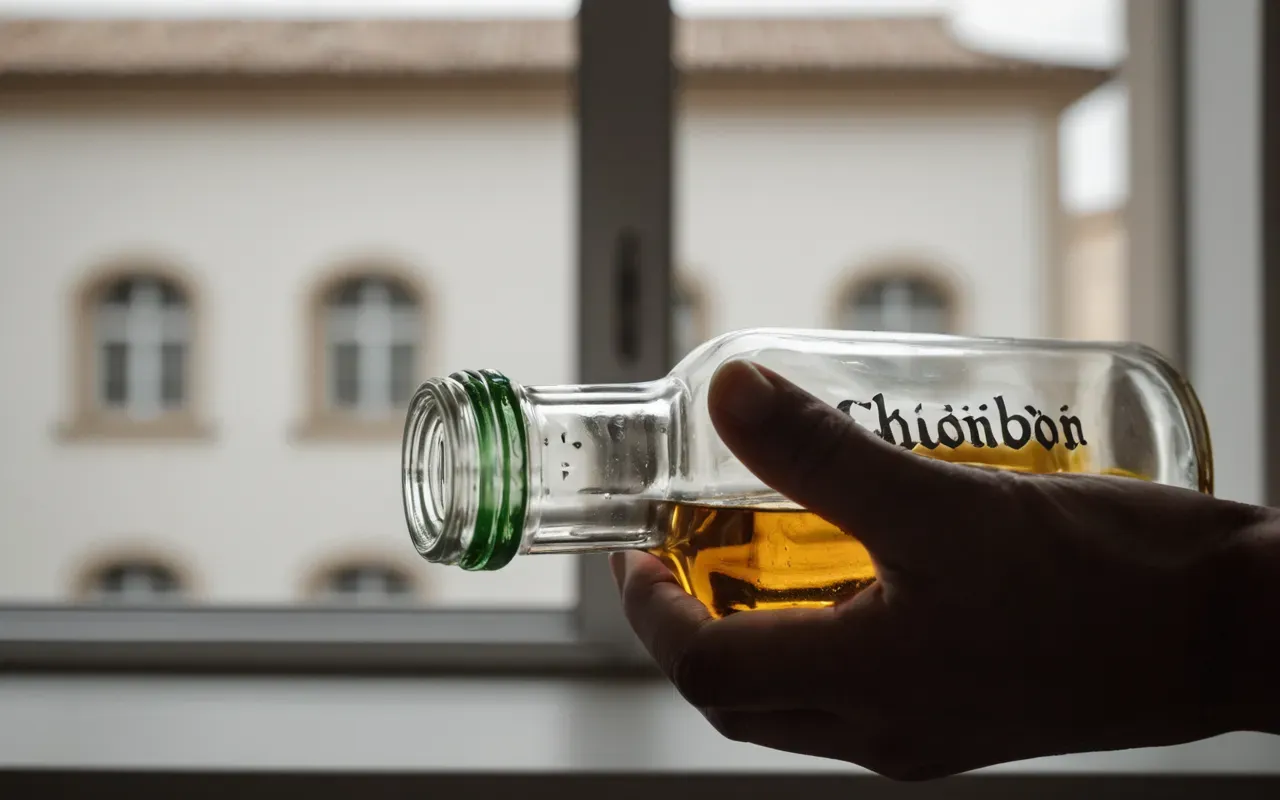
When you buy these products, are you getting a medicine or a placebo? The answer usually depends on the marketing team's skill, not the lab.
Who Is Actually Losing in This Market
It is not the store. They are making money and winning awards. The loser is the woman who delays proper medical care.
Women in their 40s and 50s are told to trust natural solutions. Meanwhile, they might be ignoring signs of thyroid issues or early cardiac problems.
This is a classic case of substitution. A gentle supplement replaces the urgent need for diagnostic testing. That trade-off can be costly.
We see this in the data. Patients who self-medicate with unverified products often present to hospitals later and more severely.
The Cost of Trust Without Verification
Trust is the currency of this industry. But trust without verification is just faith.
If a product claims to fix sleep disruption or energy fluctuations, demand the evidence. Ask for the study number.
Most brands will not have one. That silence is your biggest clue about the product's actual value.
How to Spot a Real Scientific Claim
Real claims cite specific journals. They mention sample sizes and confidence intervals.
Vague claims use words like 'supports,' 'promotes,' and 'enhances.' These are marketing verbs, not scientific ones.
Look for the difference. One tells you what happened in a lab. The other hopes it works for you.
The Missing Science in Holistic Marketing
Nirvana's founder worked directly with women for years. That is valuable qualitative data.
But qualitative insights do not replace quantitative proof. Anecdotes are the enemy of reproducibility.
If you care about this issue, I recommend reading more on how clean label supplements might be failing you. It is a critical conversation.
The gap between feeling better and being healthier is where real risk lives. Do not ignore it.
What This Means for the Dutch Research Community
This story is not just about one store. It reflects a global trend in wellness marketing.
In the Netherlands and across Europe, we see similar patterns. Brands promise natural solutions without rigorous testing.
Researchers must be vigilant. We need to distinguish between commercial hype and genuine scientific advancement.
If you are interested in the broader context of how AI is rewriting health research, that is a related field worth exploring.
The Bottom Line for Consumers and Researchers
Be skeptical of awards. They measure popularity, not potency.
Demand data. If a product cannot show its work, it is just an expensive placebo.
Your health is too important for vague promises. Insist on clarity and evidence.
The next time you see a 'Best of' badge on a supplement bottle, ask yourself: who voted? And did they check the science?
That question might save you more than any natural product ever could.



Comments ()