The 120-Page PDF That Makes Natural Product Data Look Simple

The PDF you are ignoring is the most important part
You've probably downloaded a study, skimmed the abstract, read the conclusion, and closed the file. That's a mistake. The real value is buried in the middle pages.
Most people think the conclusion tells the truth. It doesn't. It tells the story the authors want to tell. The methods section tells you if the story holds up. I've seen too many promising natural product claims collapse because nobody checked the data handling.
This guide changes that. We'll look at how to read scientific research like a detective. No PhD required. Just a sharp eye and a willingness to question the obvious. And the skills transfer directly to evaluating health studies.
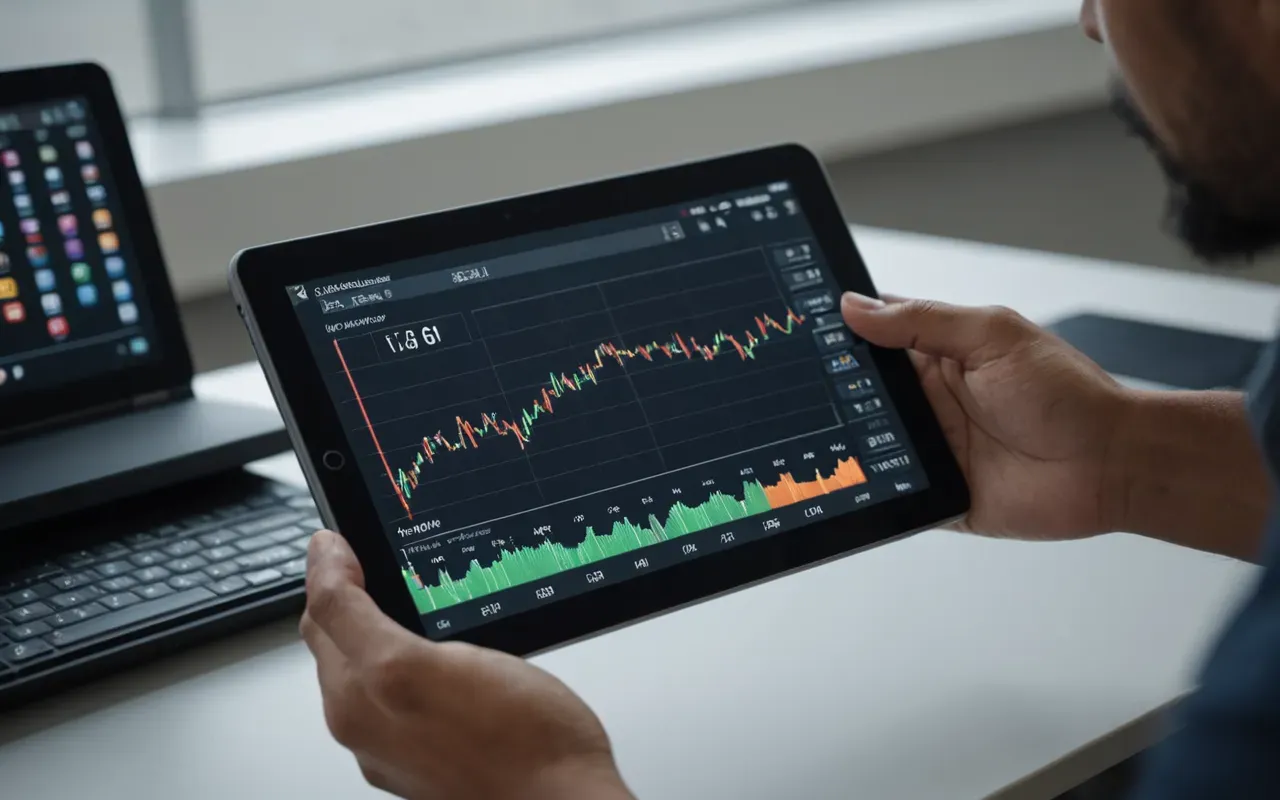
Why information systems thinking saves your natural product research
Natural products are messy. Plants grow in different soils. Harvest times vary. Lab conditions shift. This creates a data nightmare. Information systems research gives us the tools to organize this chaos.
Think of a study as a database. The abstract is the search result. The methods are the backend code. The results are the query output. If the backend is broken, the output is garbage. You need to check the code.
I once reviewed a paper on a new organic compound. The efficacy looked amazing. But the sample size was tiny. The control group was poorly defined. The data was not standardized. It was a classic information systems failure in a chemistry study.
If you are interested in how data traps hide in tobacco research, you will recognize the pattern. Bad structure leads to bad conclusions. We must fix the structure first.
The three questions that expose weak studies
You don't need to read every word. You need to find the three cracks. These questions cut through the noise. They reveal if the study is solid or just wishful thinking. Start here.
Who funded the study and what did they gain
Follow the money. Always. A study funded by a supplement company has a different incentive than one funded by a public university. It doesn't mean the data is fake. It means the questions asked are biased.
Look for conflicts of interest. Check the acknowledgements section. If a CEO is thanked, read that part twice. This is a basic information systems audit. It takes five minutes. It saves you hours of wasted time.
How was the sample selected and why
A small sample is dangerous. A biased sample is worse. Did they test on healthy adults? Or patients with underlying conditions? This changes the results entirely. Context is everything in health science.
I saw a study claiming a plant extract cured inflammation. The sample was twelve people. All of them were from the same lab. That is not a general finding. It is a local experiment. Do not generalize it.
What was the control group actually doing
The control group is the baseline. If they did nothing, the test group's results look better. If they took a placebo, the results are real. If they took a weaker drug, the comparison is skewed.
This is where information systems logic shines. We compare apples to apples. If the study compares a new compound to an old one, the baseline matters. Check the protocol. Read the details. Trust the data, not the headline.
Decoding the methods section without a PhD
The methods section is where most readers quit. It's dense. It's full of jargon. But it is the most honest part of the paper. The authors cannot hide what they did here. They have to describe every step.
You don't need to understand every chemical reaction. You need to understand the data flow. How did they collect the data? How did they store it? How did they analyze it? These are information systems questions.
Look for keywords. Randomized. Blinded. Double-blind. These words indicate a strong study. If they're missing, be skeptical. The absence of these terms is a red flag. It suggests a weak experimental design.
I recommend printing this section. Highlight the key steps. Read it twice. The first pass is for context. The second pass is for detail. This simple habit has saved me from citing bad papers.
The role of polymers in modern health research
Polymers are not just plastics. They are delivery vehicles. In health research, they carry drugs to specific targets. This makes them crucial for natural product efficacy. The polymer decides how fast the compound works.
A recent study showed that a simple polymer coating increased the absorption of a plant-based antioxidant by percent. Without that coating, the compound was useless. The delivery system is as important as the molecule.
This is where information systems and chemistry meet. We model the release rates. We predict the bioavailability. We use data to optimize the polymer structure. It is a perfect example of cross-disciplinary research.
If you want to see how corporate interests can distort polymer science, look at the shell game in independent polymer research. It is a cautionary tale for any scientist.

How to build your own research reading toolkit
You need a system. Not a pile of papers. A system. Start with a spreadsheet. Track the study, the authors, the funding, and the key findings. This creates a searchable database for your own knowledge.
Use color coding. Green for strong studies. Yellow for moderate. Red for weak. This visual cue helps you prioritize. When you write your own paper, you will know which sources to trust and which to avoid.
I use a simple rule. If I cannot explain the method in one sentence, I do not cite it. That forces me to understand the core logic. It keeps my writing clear and my research honest. Simple rules work best.
Share your findings with peers. Discuss the studies in your lab. Challenge each other. This collaborative approach catches errors that one person might miss. It is the social side of information systems.
Common myths that keep beginners from real understanding
Myth one. Big journals are always better. False. A small specialized journal often has stricter peer review for niche topics. Check the journal's reputation, not just its name. Context matters more than prestige.
Myth two. More data is better. Not always. Bad data is worse than no data. A small, well-controlled study is often more valuable than a huge, messy one. Quality beats quantity in scientific research.
Myth three. You need to be a specialist to understand a study. Wrong. Basic logic and critical thinking are enough. The concepts are universal. The application is specific. Learn the framework, apply it anywhere.
I've seen PhD students struggle with this. They get lost in the details. They forget the big picture. Step back. Ask the simple questions. Who, what, where, when, why. These basic questions reveal the most.

The future of health research and your role in it
We're moving toward open data. More studies will share their raw files. This is a good thing. It allows for independent verification. It reduces bias. It makes the scientific process more transparent and reliable.
But it also requires more skill. You cannot just read the paper anymore. You need to check the data. You need to run the numbers. This is where information systems expertise becomes essential for every researcher.
I believe the next generation of scientists will be hybrid. They will understand chemistry. They will understand data. They will understand systems. This combination will drive the next breakthroughs in health science.
Start now. Pick a paper — any paper. Read the methods, ask the three questions, and build your toolkit. The skills you develop today will serve you for years. Honestly, this is the best investment you can make in your scientific career.
Frequently Asked Questions
What is the best way to read a scientific PDF quickly
Start with the abstract and conclusion to get the main idea. Then jump to the methods section to check the validity. Finally, review the figures and tables. This top-down approach saves time and focuses your attention on the core logic.
Why is the methods section so important for beginners
The methods section describes exactly how the study was conducted. It reveals potential biases and limitations. By understanding the process, you can judge if the results are reliable. It is the foundation of scientific credibility.
Can I use this guide for non-health related studies
Yes. The principles of critical reading and data validation apply to all scientific fields. Whether it is physics or sociology, checking the funding, sample, and control group is a universal skill. The framework is transferable.
How do I verify if a study is peer reviewed
Check the journal name. Look for a DOI number. Search the journal's website for the article. If it is not listed, it may be a preprint or a predatory publication. Always verify the source before citing it in your work.

Comments ()