What is a scientific researcher really doing on a Tuesday morning
The quiet moment that changes everything in a lab
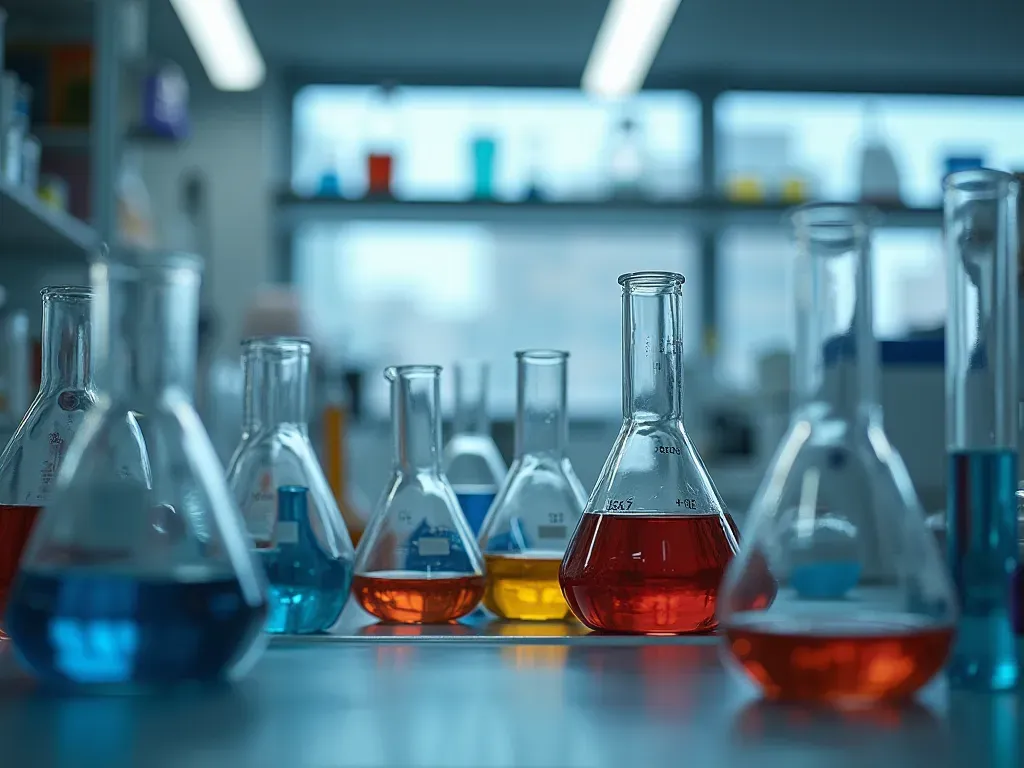
It's : AM. The centrifuge hums in the corner. A pipette tip hovers over a microplate. Not the dramatic moment you see in movies. It's mundane. And yet, this is where breakthroughs begin.
I've watched senior scientists spend three hours waiting for a reaction to finish. They don't read papers during this time. They stare at the glassware. Why? Because their eyes are trained to spot a color shift no one else sees.
What happens before the first sample is prepared
Most people think research starts when you touch a reagent. It doesn't. The real work begins the night before. A researcher checks inventory levels on their laptop. They verify that all solvents are within their expiration dates.
They review the safety data sheets for every chemical involved. If a new supplier changed the purity grade of ethanol last week, that tiny detail can ruin weeks of work. Precision is not optional here.
Why the routine looks boring but matters immensely
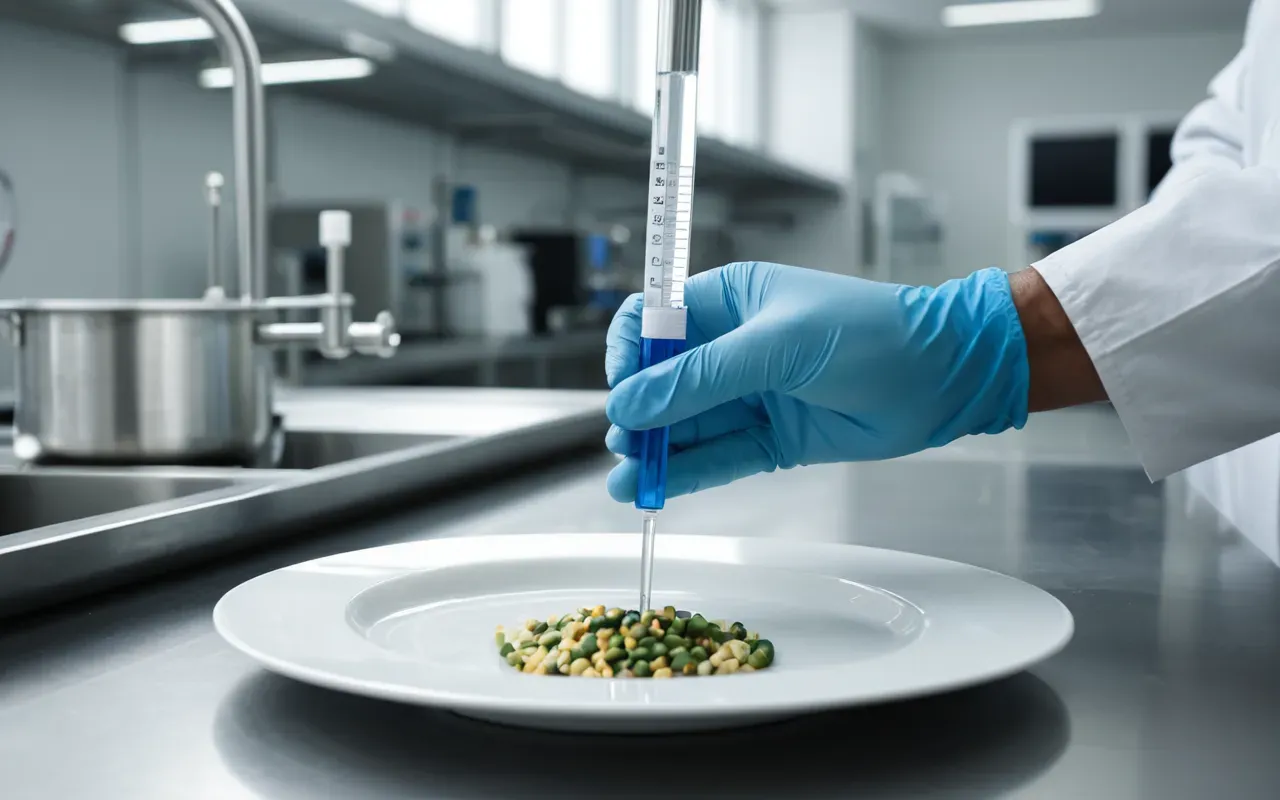
Repetition is the backbone of reliable science. A researcher might run the same gel electrophoresis test twenty times in a row. Each time, they're checking for consistency, not novelty.
If the band intensity varies by two percent between lanes, something is wrong. Maybe the voltage drifted. Maybe a reagent degraded overnight. This invisible variation can invalidate an entire dataset if ignored.
I recall a colleague who spent two weeks troubleshooting why her polymer samples were aggregating. It turned out the water in her local tap had a slight mineral fluctuation. She switched to distilled water, and the problem vanished.
The hidden cost of a single failed experiment
A failed reaction doesn't just waste time. It wastes reagents that cost hundreds of euros per bottle. It delays the entire project timeline. If this is a grant-funded study, it erodes trust with the funding body.
Researchers keep meticulous logs. Every temperature reading is recorded. Every pH adjustment is noted. These notes become the only evidence that the method was valid if someone challenges the results later.
How data analysis reshapes the narrative of a discovery
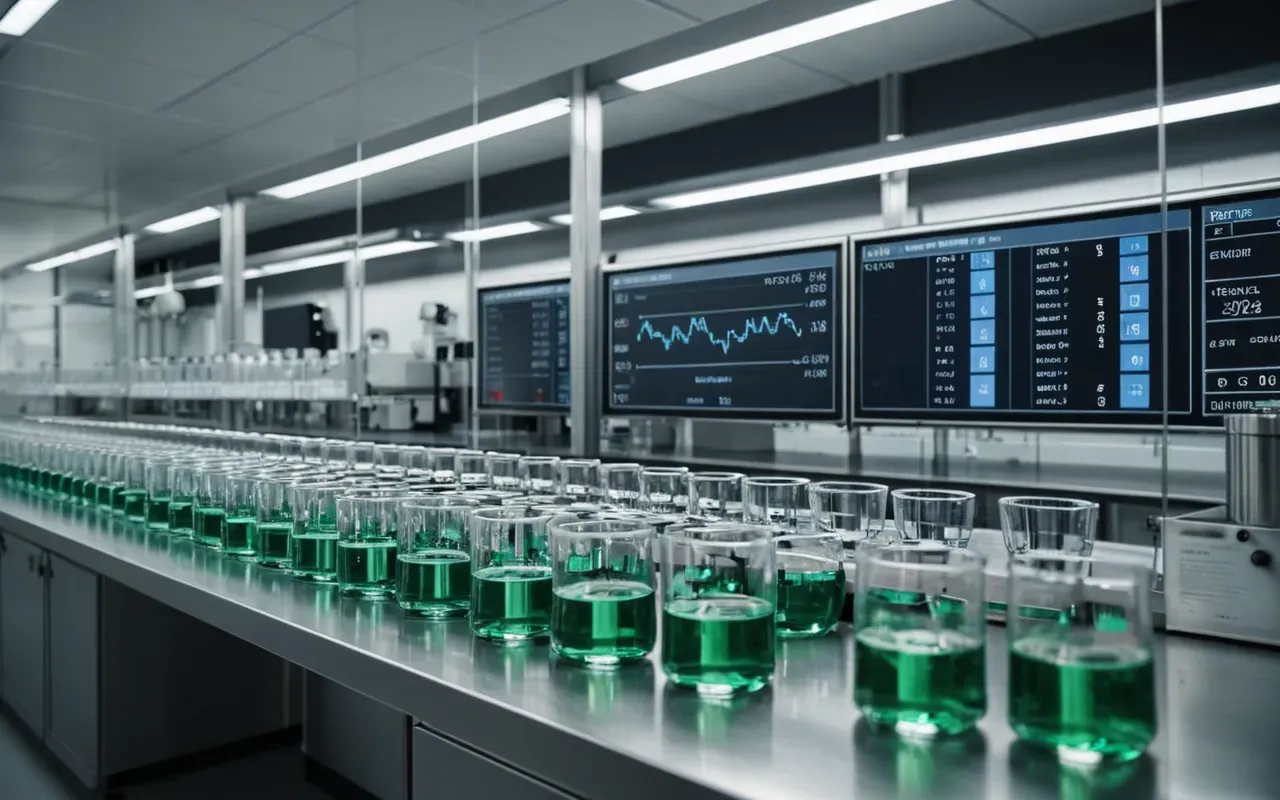
Raw data is meaningless without context. A peak on an NMR spectrum might look like a success at first glance. But when you zoom in and check the integration values, it may reveal impurities that were not expected.
Statistical significance is often misunderstood. A p-value of . does not mean the result is perfect. It means there is a four percent chance this pattern occurred by random variation alone.
Researchers use software like R or Python to model complex interactions. They run simulations that take hours on high-performance clusters. The goal is to predict how a natural product might behave in the human body.
When numbers tell you something your eyes cannot see
I once worked with a team studying antioxidant properties. The visual assay showed strong activity. But the kinetic data revealed that the compound degraded within minutes in acidic conditions.
That single insight changed their entire approach. They stopped looking for stability and started looking for rapid action windows. Sometimes the most valuable finding is what kills your initial hypothesis.

The collaborative side of working in a health science lab
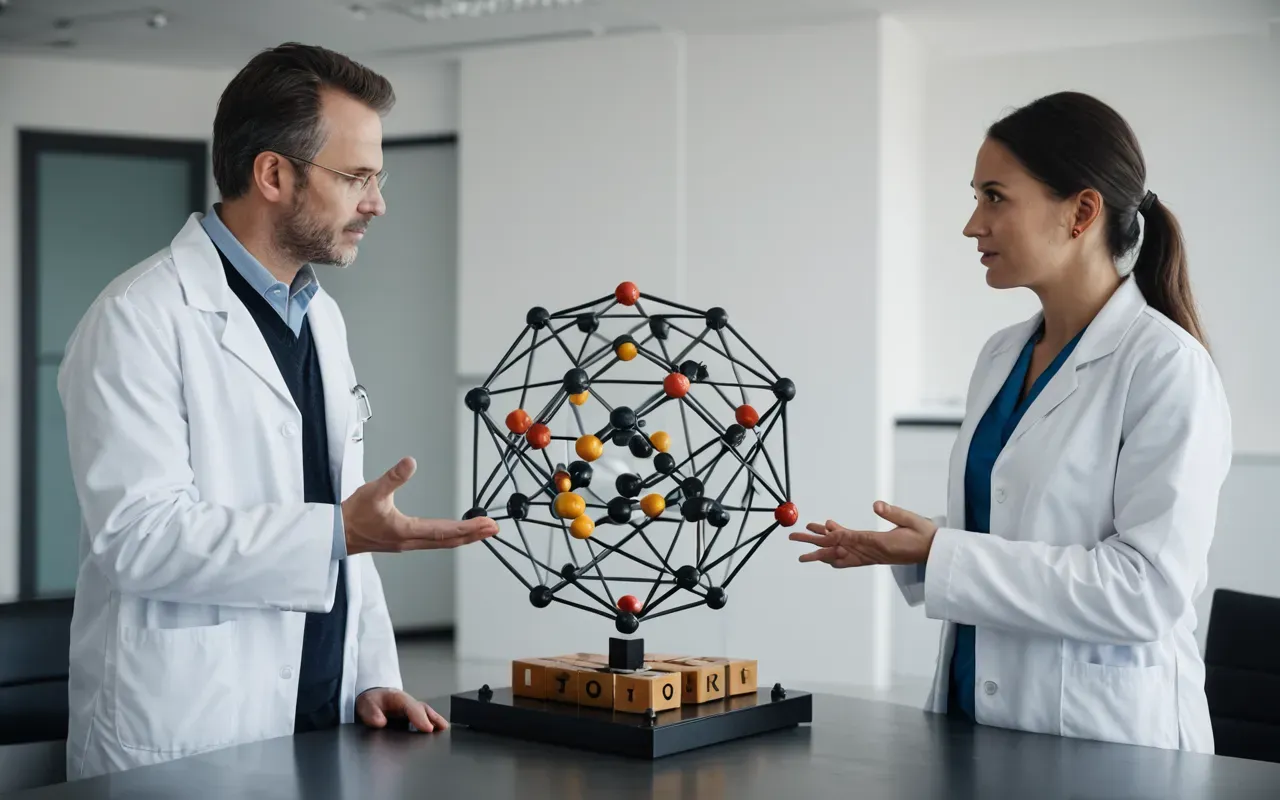
Science is rarely a solo act. A researcher in organic chemistry might partner with someone specializing in polymer delivery systems. They meet twice a week to compare notes.
These meetings are often informal. Coffee is involved. Arguments happen. But they force clarity. If you cannot explain your mechanism to a colleague from another field in two minutes, you do not understand it well enough.
If you're curious about how these collaborations shape the broader scientific landscape in Europe, AI is secretly rewriting how health research gets done offers a fascinating perspective on modern workflows.
Why mentorship matters more than any piece of equipment
The best researchers I've met weren't the ones with the most expensive instruments. They were the ones who had mentors who pushed them to think critically.
A good mentor teaches you how to fail gracefully. They show you that a negative result is not an endpoint but a piece of the puzzle. This mindset shift happens early in your career.
What separates a competent scientist from an exceptional one
Competence is following the protocol perfectly. Exceptionality is knowing when to deviate from it and why. The latter requires intuition built over years of trial and error.
I've seen junior researchers blindly follow a published method for three months. They got results, but they were mediocre. The senior scientist tweaked the temperature by five degrees and doubled the yield.
That small adjustment came from understanding the underlying thermodynamics. It wasn't magic. It was deep knowledge applied to a specific variable.
The role of curiosity in driving long-term projects
Grant proposals often focus on deliverables. But the most impactful work usually starts with a question that has no immediate commercial value.
A researcher might spend two years studying how a specific enzyme folds. No drug is designed from that directly. But it reveals mechanisms that later inform entirely new therapeutic strategies.
The daily rhythm of a life dedicated to discovery
People assume scientists live and breathe their work. Sometimes they do. But most try to maintain boundaries.
A typical day might end at six PM. The researcher goes home, cooks dinner, and sleeps. Tomorrow brings a new set of variables to control.
This balance is crucial for long-term sustainability. Burnout in academia is real and often ignored until it's too late.
How rest contributes to better problem solving
Neuroscience shows that the brain consolidates information during sleep. Complex patterns recognized in the afternoon become clearer after a night of rest.
Many breakthroughs happen in the shower or during a walk. It's not mystical thinking. It's your subconscious processing data while you're not forcing it.
Frequently Asked Questions about the role of a scientific researcher in health science labs
What does a scientific researcher actually do on a typical day?
A typical day involves preparing samples, running analytical tests like NMR or HPLC, and analyzing data. Researchers also spend time reading literature and discussing findings with colleagues.
How important is data documentation in scientific research?
Documentation is critical for reproducibility. Without detailed logs of every step and condition, other scientists cannot verify or build upon the results later.
Why do some experiments fail even when protocols are followed correctly?
Failures often stem from subtle environmental variables like humidity or reagent degradation. These factors can alter reaction kinetics even when the procedure is executed perfectly.
Comments ()