Why Your Information Systems Research Guide Is Probably Wrong

The PDF Trap and Your First Mistake
You download the file. Forty pages. Seven-point font. And that sudden wave of panic hits.
Happens to everyone. I've watched senior researchers at major Dutch universities get the same tight chest opening a dense paper on natural product chemistry.
Here's the thing. Most beginner guides tell you to read top to bottom. Wrong advice for scientific data.
You need a strategy — not a sequence of steps to follow blindly, but a way of seeing the structure underneath the text.
What Beginners Actually Miss About Data Structure
I've reviewed hundreds of student portfolios over the years. The same error shows up in almost every one.
Students jump to the conclusion first. They want the answer without checking the question that led to it.
That's a fundamental error in logic. You cannot judge an argument if you don't know the premises it rests on.
The Methodology Is the Real Story
In information systems research, the method is often more interesting than the result.
Take a study on polymer degradation in medical devices. The finding might be minor, but the way they tracked molecular decay over three years is brilliant.
That method can be applied to your own work. That transferable skill is the real value of reading scientific literature.

Reading for Gaps Not Just Answers
Every paper is a conversation. The author speaks to their peers and leaves space for others to respond.
When you read a study on organic chemistry applications in health, look for what the author admits they did not test.
Those limitations are gold. They tell you exactly where new research can start and how you might contribute to the field.
The Dutch Academic Context Matters Here
If you work within the European research landscape, context is key. Funding rules and ethical standards vary significantly.
A paper published in a local journal might follow different citation norms than one from the United States or Asia.
Understanding these subtle differences helps you interpret data more accurately and avoid misreading the intent behind a study.
Practical Tips for Your Next Read
Print the paper if you can. Marking up a physical copy engages different parts of your brain than scrolling through pixels.
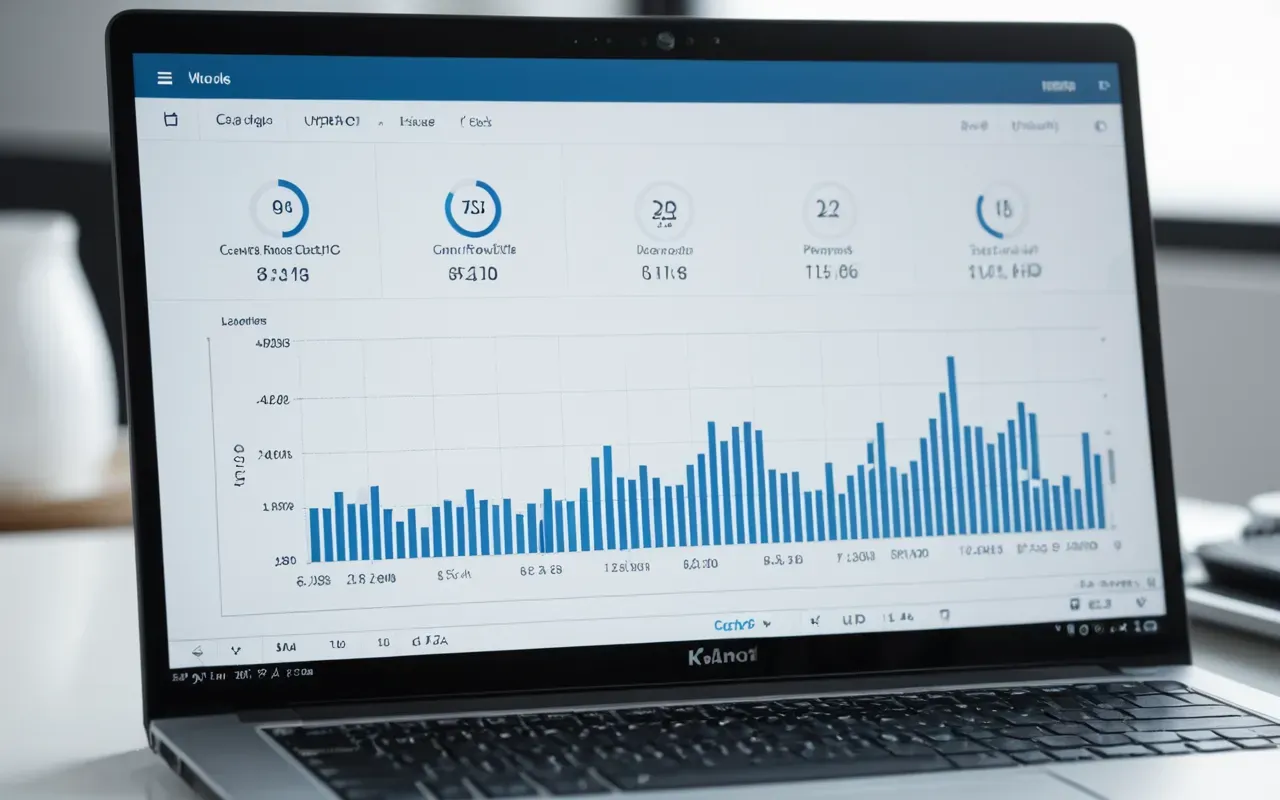
Start with the figures and tables. They often tell you more about the data than any paragraph of text can.
Then read the abstract. Finally, dive into the discussion section to see how the author connects their findings to broader trends.
Common Myths About Scientific Literature
Myth one is that all published papers are equally reliable. This simply is not true.
Reproducibility crises have shaken the scientific community in recent years, and many fields are still working to fix their methods.
You must always check who funded the study. Money influences outcomes in subtle but measurable ways that affect your interpretation.
How to Spot Biased Conclusions Quickly
Look for strong language in the conclusion section. Words like proves or guarantees are red flags.
Science deals in probabilities and confidence intervals. If an author claims certainty without showing the math behind it, be skeptical.
This critical eye serves you well in any field, from health sciences to computer science and beyond.

Building Your Personal Research Library
You do not need to read everything. That is impossible and counterproductive for your mental health.
Instead, curate a small collection of high-quality papers that speak directly to your specific questions and goals.
For example, if you are studying natural products in health, keep five core papers that define the current state of knowledge.
Tools That Make Organization Easier
Reference managers are essential. They save you hours of manual data entry and formatting headaches.
Choose one that integrates well with your word processor. The best tool is the one you actually use consistently.
Automate what you can so your brain stays free for thinking and analysis rather than administrative tasks.
Why Information Systems Research Is Changing Fast
The field is moving quickly. New tools and methods appear every month, making it hard to keep up with the pace.
But this speed is also an opportunity. It means there are always new gaps to fill and new questions to ask.
If you can read critically and think clearly, you will always have a place in this evolving landscape.

Final Thoughts on Reading Better Papers
Reading scientific literature is a skill. Like any skill, it improves with deliberate practice and honest feedback.
Do not be afraid to admit when a paper is confusing. That confusion is the start of real learning.
Ask questions. Challenge assumptions. And always keep a notebook where you can track your thoughts and insights over time.
Frequently Asked Questions
How long should it take to read a scientific paper?
It depends on your familiarity with the topic. A first reading usually takes thirty to forty minutes for a standard journal article.
What is the best way to organize my research notes?
Use a digital reference manager combined with a simple tagging system. Group papers by theme rather than date to see connections more easily.
Can I read scientific papers without a PhD?
Yes. You need to understand the basic structure and critical thinking principles. Deep technical knowledge helps but is not strictly required for initial comprehension.



Comments ()