What is a scientific researcher really doing on a Tuesday morning
The Tuesday Morning Myth of the Scientific Researcher
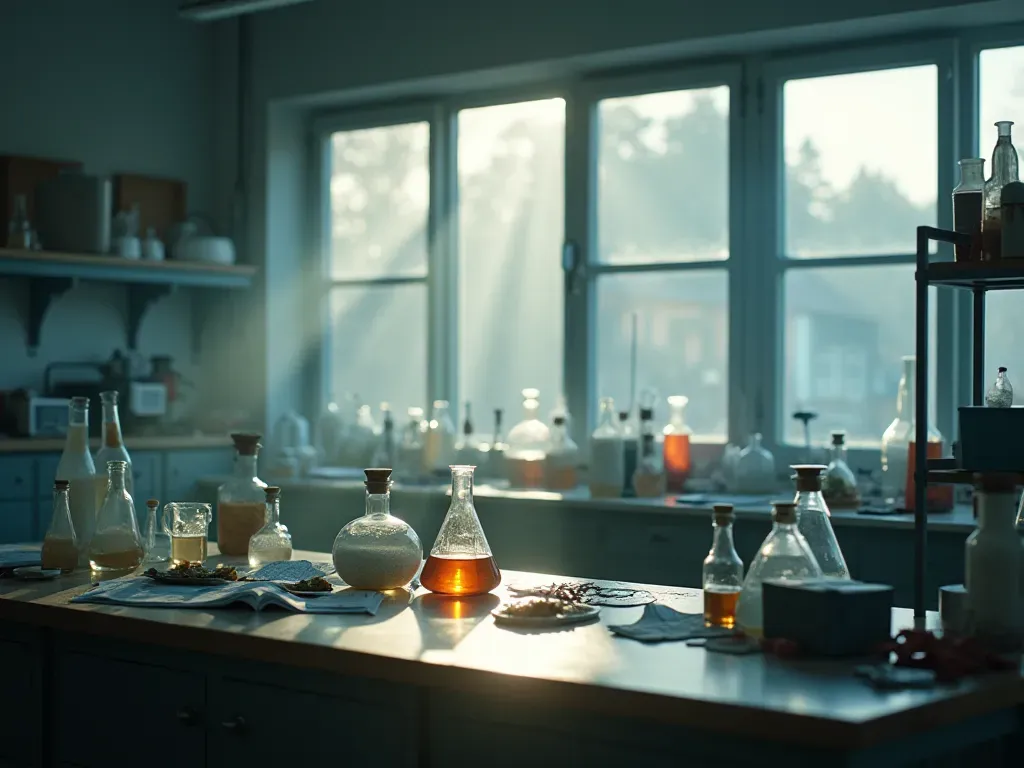
You have probably seen the movie version. The lab coat is spotless. Beakers glow with neon liquids. A dramatic string quartet plays in the background as a molecule snaps into place like a perfect puzzle piece.
Here is the thing. That scene does not happen on a Tuesday morning in October.
Real scientific research is messy. It is quiet. And it often feels like trying to solve a Rubik's cube while wearing oven mitts.
I have spent years watching organic chemists work in health-focused labs. The breakthroughs are rare. But the daily grind is where the real magic hides.
The Hidden Choreography of Molecular Synthesis
Most people think chemistry is about mixing things. It is not. It is about timing.
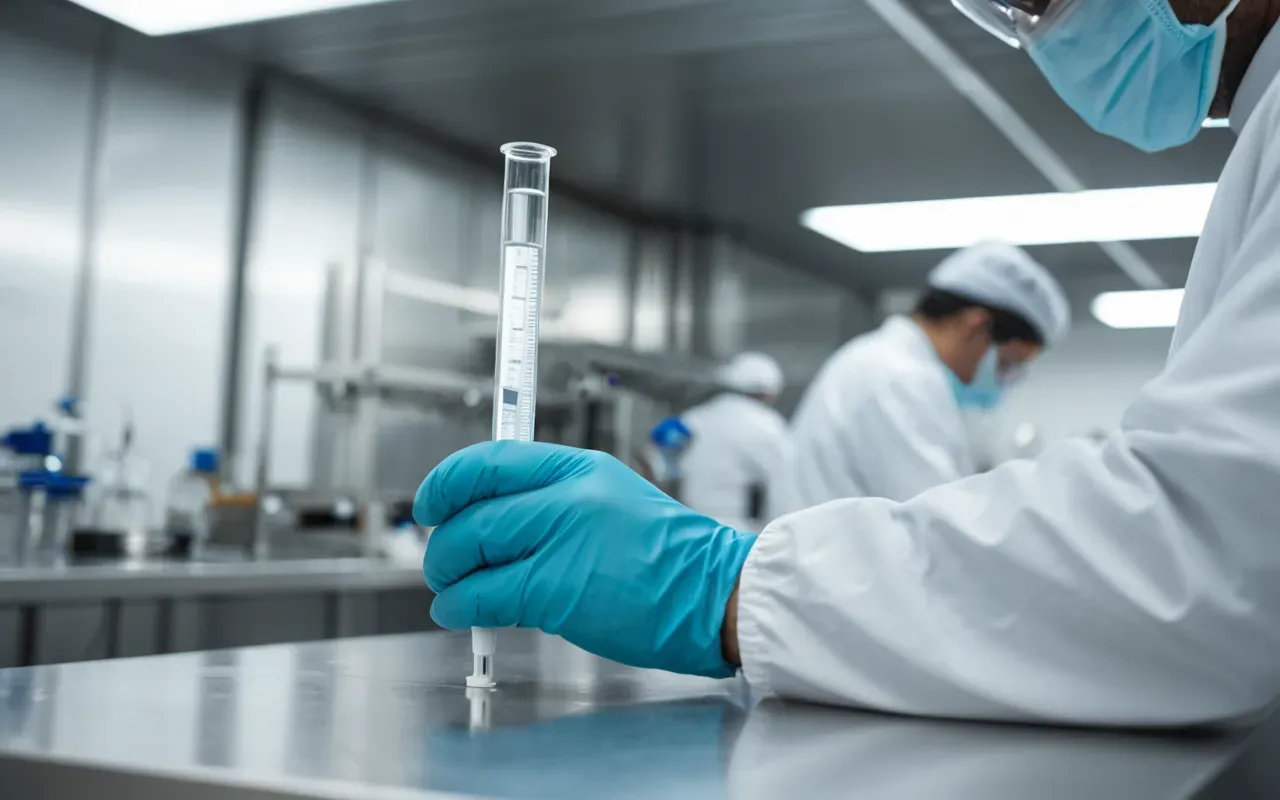
A researcher might wait four hours for a reaction to reach exactly thirty-five degrees Celsius. If it hits thirty-six, the yield drops by forty percent.
This precision is why natural product extraction is so difficult. You are not just pulling a compound out of a plant. You are preserving its fragile structure.
If you have ever wondered why your natural supplement data might be misleading, the issue often starts here. The molecule changes shape during isolation.
We found that even a slight temperature spike can alter the bioavailability of key compounds. It is not just about what you have. It is how it behaves.
Why the NMR Spectrum Tells a Story Words Cannot
After synthesis comes verification. The Nuclear Magnetic Resonance machine is the truth-teller in any organic chemistry lab.
It does not care about your hypothesis. It only shows you the magnetic environment of hydrogen atoms.
A single peak in the wrong place can ruin a week of work. But it also saves you from publishing wrong results.
I have seen researchers stare at a spectrum for three hours. They are not stuck. They are listening.

The Polymer Puzzle That Health Science Ignores at Its Peril
Polymers get a bad rap. They sound like plastic bags and water bottles.
But in health research, polymers are the delivery trucks. They carry drugs to specific cells without harming healthy tissue.
A scientific researcher working on targeted therapy spends more time designing the polymer shell than the active ingredient.
This is a hidden secret. The molecule inside matters less than the vehicle outside.
If you are interested in how the secret life of a scientific researcher shapes these outcomes, the polymer angle is where the real innovation lives.
Why Your Next Breakthrough Might Depend on a Failed Batch
Failure is not the opposite of success. It is the raw material.
A batch that clumps instead of dissolving might reveal a new binding site. A reaction that stops early might point to a missing catalyst.
Researchers who only chase clean data miss the most valuable signals. The noise is where the new biology hides.
I have watched a team celebrate a failed synthesis. They were not sad. They were excited.
The Quiet Economics Behind Curiosity Driven Science
Funding is the air researchers breathe. Without it, the lab goes silent.
But grants are not given for curiosity. They are given for certainty.
This creates a paradox. The more innovative your idea, the harder it is to fund.
A scientific researcher must frame bold ideas in safe language. It is a delicate dance.
If you have seen the quiet memo that just killed curiosity-driven science, you know this tension is real and growing.
What a Tuesday Morning Actually Looks Like in the Lab
It starts with coffee. Then it starts with a checklist.
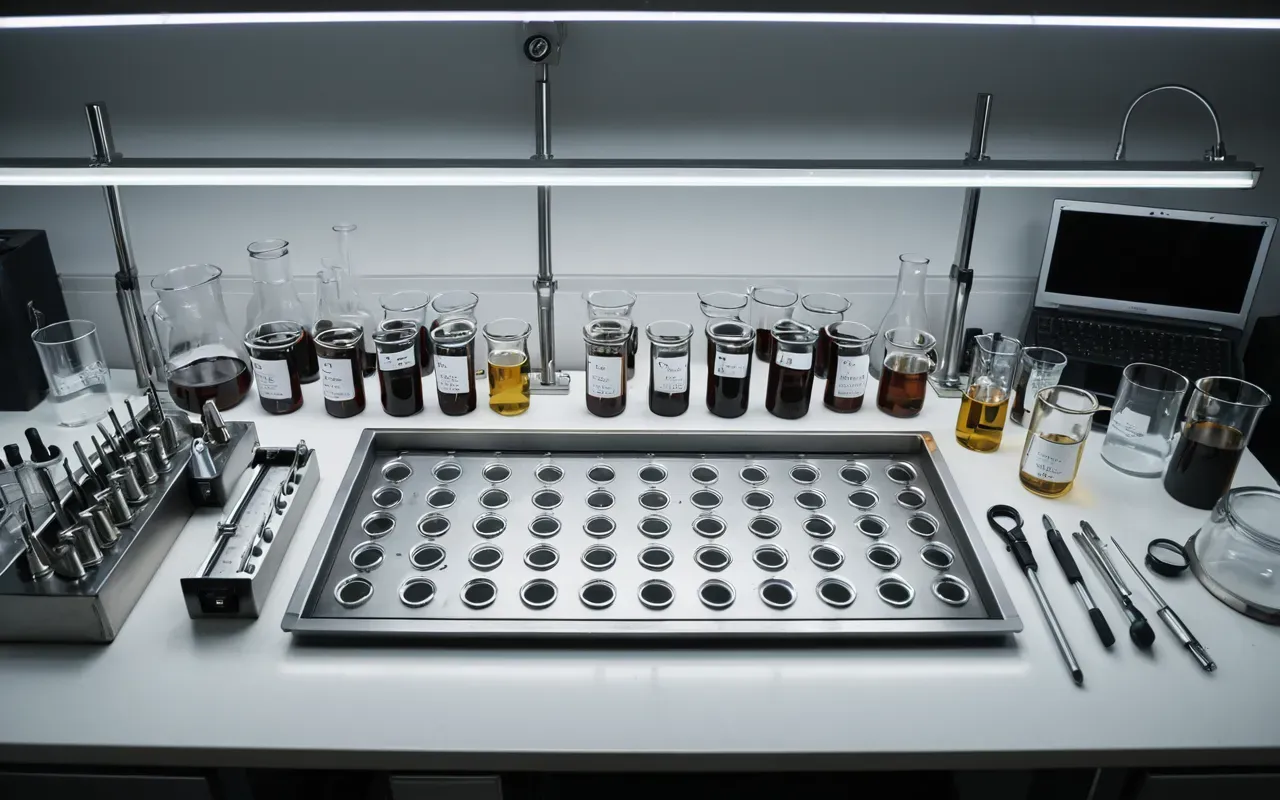
The researcher checks the freezer temperature. They verify the stock solution dates. They calibrate the pH meter.
Only after these boring tasks is done does the real science begin.
There are no dramatic stirs. No glowing liquids. Just careful hands and a notebook.
The breakthrough is not a lightning bolt. It is a slow accumulation of small correct decisions.
The Human Element Behind the Molecule
We talk about molecules. We forget the people.
A scientific researcher is not a machine. They get tired. They make mistakes.
But they also bring intuition. A gut feeling that a reaction is off. A hunch about a new pathway.
This human layer cannot be automated. Yet it is the most critical part of discovery.
If you want to understand why your lab is about to lose a billion dollar war, remember that human error is the biggest cost center.
Frequently Asked Questions
What does a scientific researcher do on a typical day?
A scientist spends most of the day preparing samples and analyzing data. They calibrate equipment, log results in notebooks, and troubleshoot failed reactions. The actual synthesis is only a small part of the daily workload.
How long does it take to synthesize a new organic molecule?
Simple molecules might take a few hours. Complex natural products can require weeks or months of iterative steps. Each reaction must be verified before the next one begins.
Why is polymer research important for health science?
Polymers act as delivery vehicles for drugs. They protect active ingredients and target specific cells in the body. This reduces side effects and improves treatment efficacy.
Can a failed experiment lead to a major scientific breakthrough?
Yes. Unexpected results often reveal new chemical pathways or biological mechanisms. Many major discoveries started as anomalies that researchers chose to investigate further instead of discarding.
What skills are most critical for an organic chemist in health research?
Attention to detail and patience are paramount. The ability to interpret complex spectra and design robust experimental protocols separates successful researchers from those who get stuck.


Comments ()