The scientist who took your hard drive out of the lab might already be on a plane

The quiet exit that never quite ends
It happens on a Tuesday. The coffee is cold. The badge still works at the turnstile for one last time. But then it does not work anymore.
I remember my first week in the lab. We talked about pipette calibration. We never once discussed what happens when a senior researcher decides to take their hard drive home.
That is the uncomfortable truth hiding in recent audit reports. The biggest threat to your data is not a hacker with a laptop in a dark room.
It is the person you trust most. The colleague who has been there for twenty years. The one who knows where every file lives.
What the five-year audit actually found
A recent review of science committee agencies looked at five full years. The number is staggering. Twenty-six distinct data breaches.
Most people assume these are just password mistakes. They are not. Six involved actual research files and core technology.
Four were classified materials. That is not a typo. We are talking about the kind of data that shapes national policy and global health strategy.
The pattern is clear. It happens at the edges of employment. When someone leaves, or when they think no one will notice.
Why retirees are the biggest blind spot
Look at the Korea Aerospace Research Institute cases. They are not random. They follow a specific human pattern.
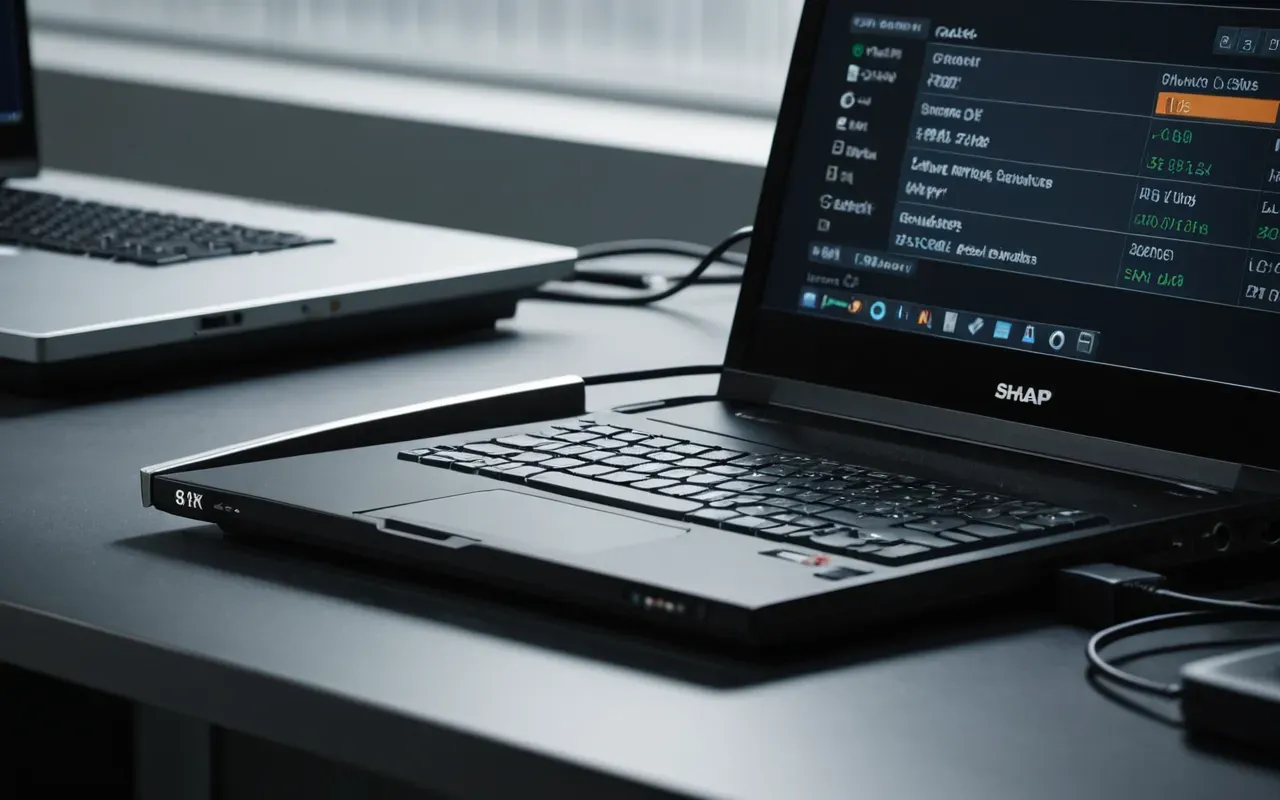
Employees nearing retirement took files by email. Others physically removed computers from the building.
Why would they do this? It is rarely about malice. It is often about ownership.
After decades of work, they feel the data belongs to them. They want a copy for their records.
That mindset is dangerous in health science. A single missing dataset can invalidate a decade of work.
The hidden cost to your health research
If you work in natural products or polymer science, this is not just a security issue. It is an integrity crisis.
Imagine your competitor getting a head start. Imagine a regulatory body questioning your entire dataset.
The loss of trust is the real damage. Once it happens once, everyone doubts the next paper you publish.
I have seen labs spend years recovering from a single leak. The money is gone. But the reputation takes longer to rebuild.
How this impacts your lab daily
You might not think about this when you are pipetting samples. But the infrastructure matters.
If your storage systems allow physical removal without a log, you are exposed. It is that simple.
Cloud services are not a magic shield either. We have seen source code deleted from cloud servers by faculty members.
That happened at GIST. A researcher published material that infringed on core technology and then wiped the source.
Building a defense that actually works
So what do we do? We stop treating security as an IT problem. It is a human behavior problem.
First, audit your exit processes. Do you know who has access on their last day? Be specific.
Second, limit physical device movement. Hard drives should not leave the building without a signed chain of custody.
Third, monitor cloud activity. If someone deletes a folder at midnight, you need to know immediately.
The role of training and culture
Training is not just a checkbox. It should feel like part of the scientific method.
We need to talk about ethics in a way that does not feel like punishment. It should feel like protection.
When a researcher understands why their data matters to the public health mission, they protect it better.

The future of secure scientific discovery
This is not about fear. It is about respect for the work we do.
Every dataset you generate has a story behind it. Years of work. Late nights. Failed experiments.
Protecting that data is part of your job as much as designing the experiment itself.
The next breakthrough might be hiding in a file you have not backed up properly.
Let us stop being the generation that lost its work to a retiree with a hard drive.


Comments ()