What a Scientific Researcher Actually Does on a Tuesday Morning
The 7 a.m. Ritual That Sets the Tone for Lab Work
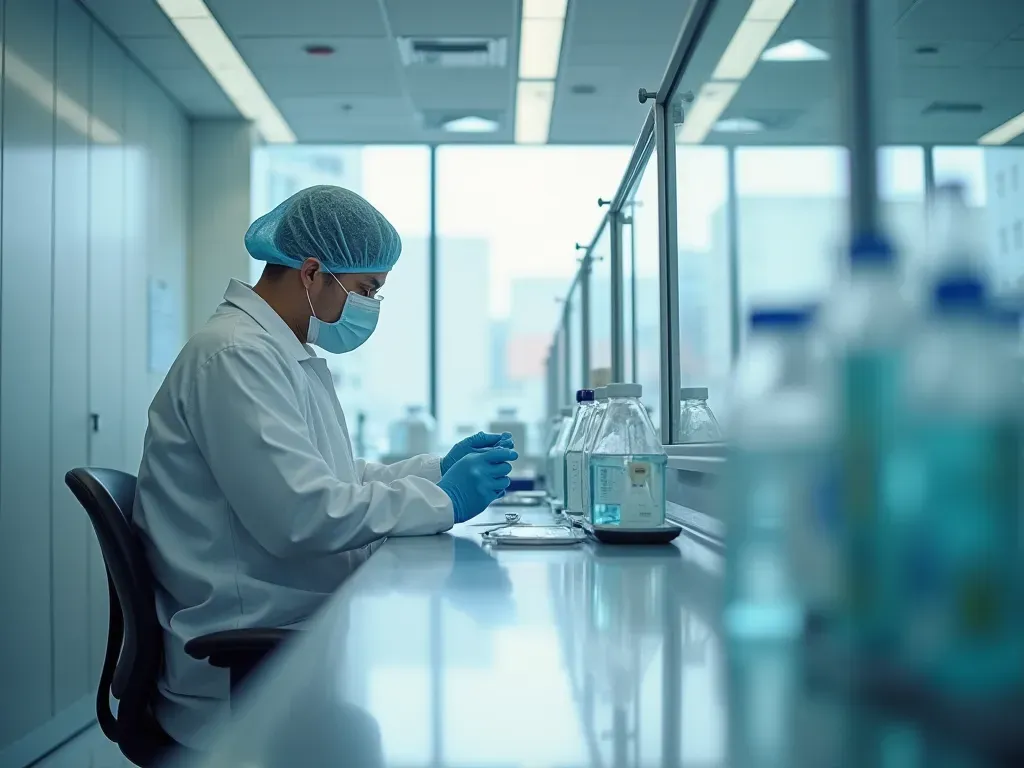
You think research is all eureka moments and whiteboard epiphanies. It isn't. A scientific researcher starts the day by checking pipette tips and logging reagent expiry dates.
I once shadowed a doctoral candidate at a university lab in Utrecht. Her first task was recalibrating the pH meter because yesterday's reading drifted by 0.3 units.
Small numbers like that matter. A 0.3 pH shift can change how a plant extract binds to proteins in a cell lysate.
Why Natural Products Keep Showing Up in Health Science Papers
Natural compounds are everywhere. Curcumin from turmeric, berberine from barberry bark, and flavonoids in berries all show up in journals weekly.
Here's the thing. Researchers don't pick these molecules because they are trendy. They choose them for stability and measurable biological activity.
A researcher might test how a specific alkaloid affects oxidative stress markers in cultured liver cells. The data tells you if the compound is worth another round.
The Hidden Time Sink Nobody Mentions in Job Ads
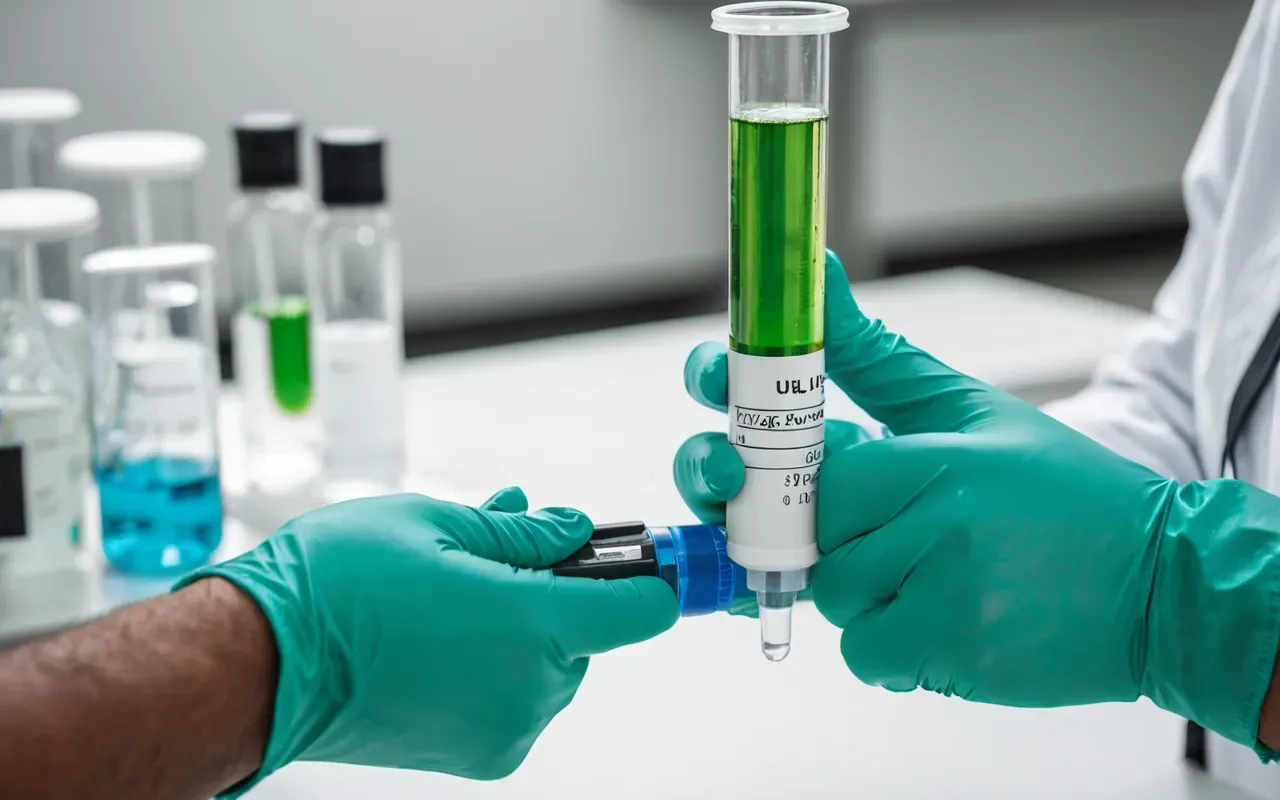
Grant writing. Data cleaning. Equipment maintenance. These tasks eat up half a day without producing a single graph.
I've talked to postdocs who spend more hours on spreadsheets than in the lab. It's unglamorous but essential for keeping projects funded.
So when you see a paper published in a high-impact journal, remember the weeks of invisible labor behind it.
How Organic Chemistry Fits Into Health Research Without Taking Over
You don't need to synthesize a drug molecule to understand its behavior. But knowing basic reaction mechanisms helps you design better assays.
For instance, understanding ester hydrolysis explains why some plant-based supplements degrade in the stomach before reaching your bloodstream.
That insight can change how you formulate a study or choose an extraction method. Small chemistry knowledge saves big time.

What a Typical Week Looks Like for Someone in Health Science
Monday starts with safety checks. Tuesday is wet lab work. Wednesday is data entry and literature review.
Thursday brings a group meeting where the PI asks why your control failed again. Friday is for writing or planning next steps.
It sounds repetitive but that rhythm builds discipline. And discipline is what separates a solid dataset from noise.
The Misconception That Researchers Always Know What They Are Doing
We don't. A scientific researcher often spends three weeks troubleshooting a protocol that worked perfectly last month.
Reagents expire. Cell lines drift. Instruments need calibration. The unknown is the norm.
And honestly that's part of the job description. You learn to embrace uncertainty and keep moving forward.
Why Failing an Experiment Is Still a Productive Day
A negative result tells you what doesn't work. That's data too.
I once watched a researcher discard two weeks of culture work because the contamination source was invisible.
But that failure led to a new protocol for sterility checks. Now it's part of the lab standard.
How You Can Prepare for a Career in Health Research Without Burning Out
Start small. Learn one technique deeply before jumping to ten. Master your pipetting and data logging first.
Build a routine that includes breaks. Burnout kills curiosity and you need both to stay sharp.
Find a mentor who values process over perfection. That guidance will save you years of wasted effort.
The Quiet Role of Polymers in Health Research You Never Noticed
Polymers are everywhere. Drug delivery capsules, lab耗材, and even the filters in your centrifuge rely on them.
A researcher studying natural products might use a polymeric membrane to separate compounds by size and charge.
It's invisible infrastructure but without it your sample prep would be a nightmare.
Frequently Asked Questions About Scientific Researcher Work
What does a scientific researcher do on an average day?
A typical day includes checking equipment safety, running lab experiments, recording data, and reviewing literature. The exact mix depends on the project stage.
How long does it take to become a scientific researcher?
Most paths require at least four years of undergraduate study plus two to six more for a master's or PhD. Independent researcher roles often need additional postdoctoral experience.
Why do so many natural product studies end with inconclusive results?
Natural compounds are complex mixtures. Variability in plant source, extraction method, and cell response makes standardization hard.
Can someone with no lab experience still enter health research?
Yes. Start with undergraduate courses in chemistry or biology and seek volunteer lab positions. Many labs welcome motivated beginners willing to learn protocols.
Comments ()