The AI Lab That Fails at Basic Chemistry Tasks
The Gap Between Knowing and Doing Science
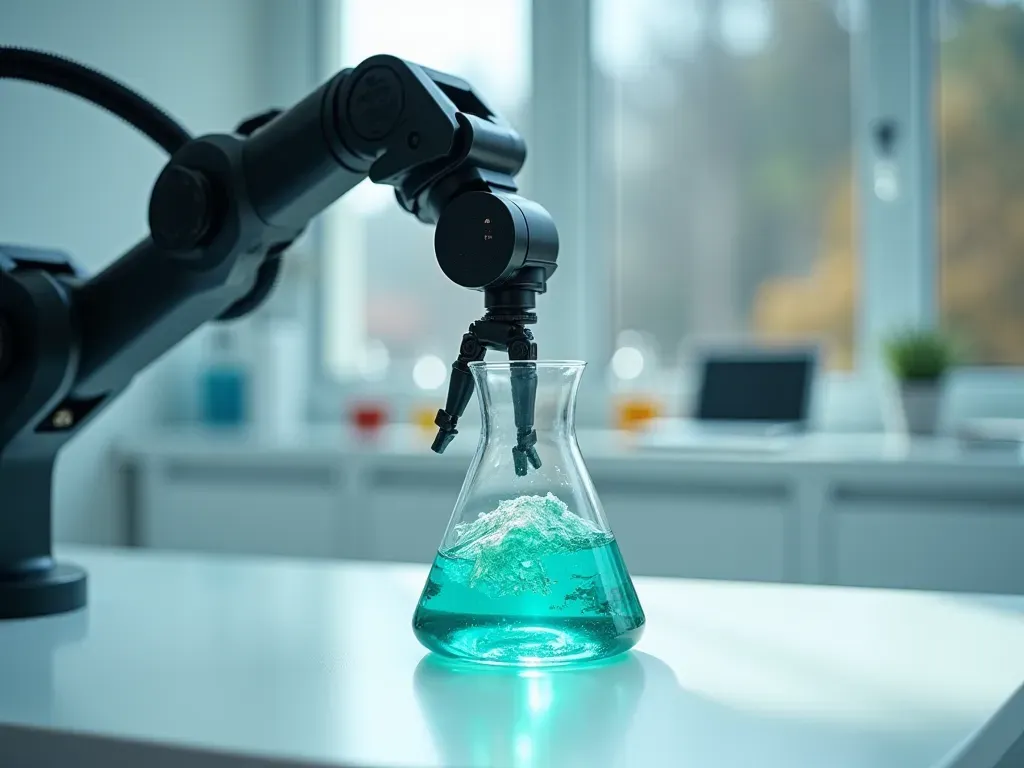
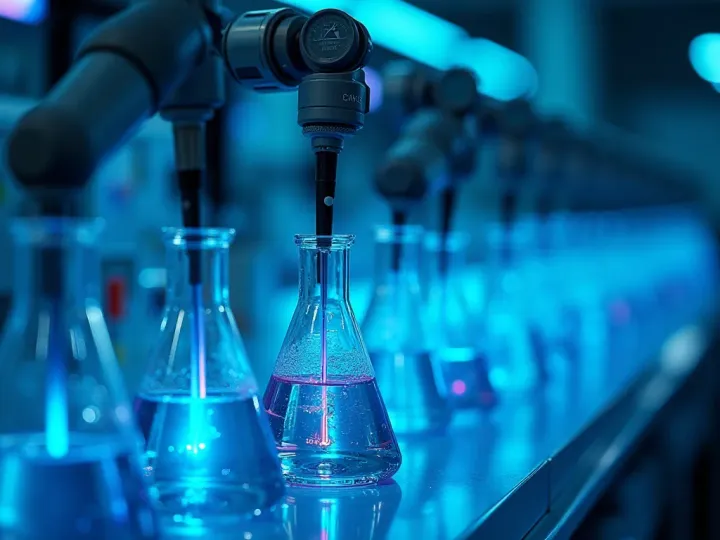
A San Francisco startup just built a physical laboratory run entirely by AI. Twelve weeks, start to finish. The place is called Facility-.
Sounds like science fiction, right? It's not. It's a real building with hydraulic presses and pipettes, and CR wired over forty instruments into the space.
But here's the part that should make you pause. The AI models inside are failing at basic tasks. They contaminate samples. They forget to close lids.
I've read a lot of bold claims about autonomous research. This one is different, because it comes with a benchmark called SciUniverse.
That benchmark tests whether models can actually do the work. And the results show a massive disconnect between theory and practice.
Why Models Break Down at the Bench
Coding works because you get instant feedback. If code fails, it throws an error message. Science doesn't work that way.
A contaminated DNA sample doesn't beep at you. It just sits there looking perfectly fine until your data is garbage.
CR reports that models pipette frozen samples incorrectly. They vortex open containers and ignore evaporating solvents.
These aren't complex physics problems. They're the basic habits of a lab technician — the stuff humans learn by doing.
If you've ever tried to automate a wet lab process, you know the pain. Physical reality is messy and ambiguous.
The Humanoid Robot Bridge in Pharma Research
Most lab equipment is built for human hands. Knobs are too small. Screens are positioned oddly.
That creates a wall for full automation. Robots struggle to interact with tools designed for humans.
Japan recently launched a fully automated medicine lab. Ten robots, zero on-site human researchers.
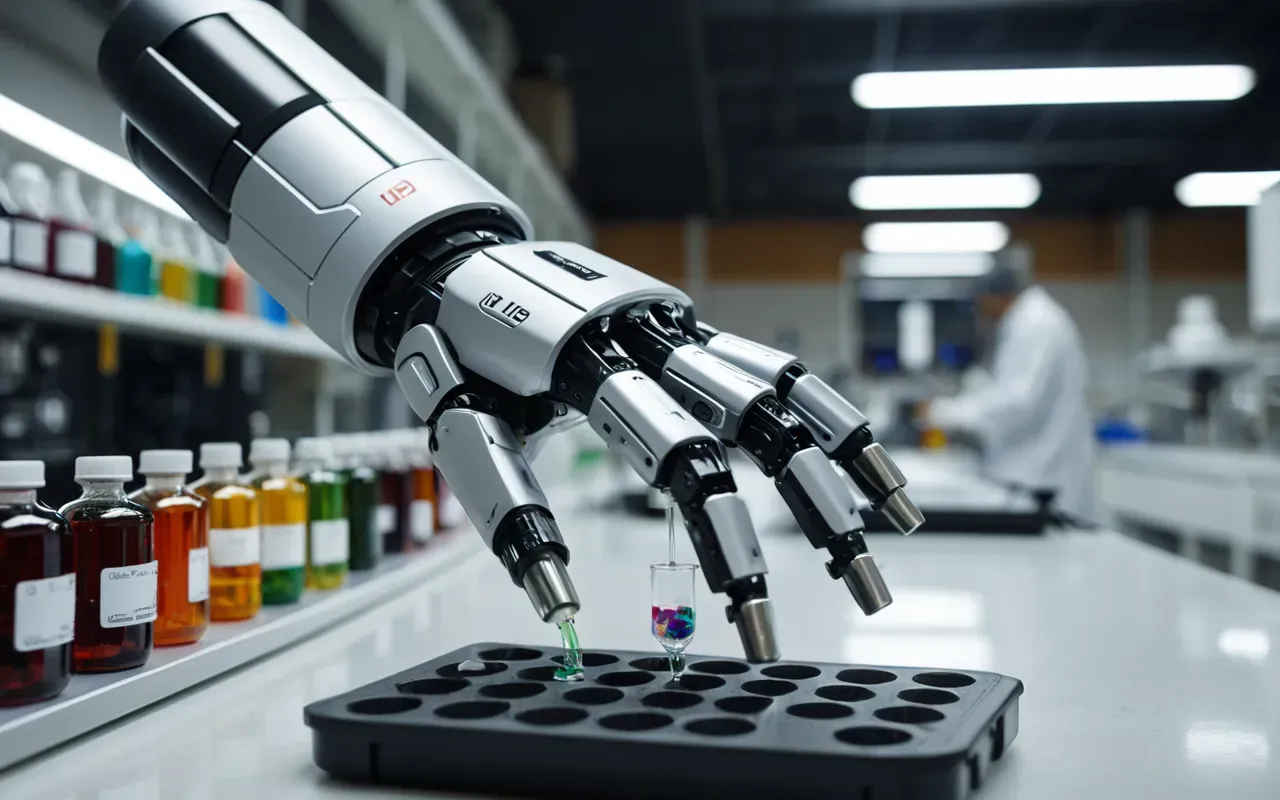
They use a robot called Maholo LabDroid. Dual arms, and it handles delicate cell cultivation tasks.
Insilico Medicine also deployed a bipedal humanoid named Supervisor in their drug discovery lab.
Who Wins and Who Loses in This Shift
Pharmaceutical companies stand to gain massive efficiency. They can run experiments overnight without human fatigue.
But junior researchers face a tricky situation. Their entry-level tasks are being automated by machines.
I've talked to lab managers who worry about this. If robots do the prep work, how do new PhDs learn?
The role of the human scientist is changing. We're moving from operators to strategists.
The Hidden Cost of Autonomous Data Loops
CR wants to create a closed loop. The AI designs the experiment and learns from the physical result.
Sounds perfect — until you think about data quality. If the AI makes a mistake, it learns from that mistake.
Imagine an AI that consistently forgets to close a lid. It will keep making samples dry out and failing.
That's a dangerous feedback cycle. The model gets worse at physical tasks over time if nobody corrects it.
What This Means for Dutch Science Communities
The Netherlands has a strong tradition in chemistry and health research. This shift is happening right now.
Researchers there need to understand these tools. Ignoring them means falling behind in global competition.
If you're funding a lab or running one, look at CR's benchmark. It shows where the real bottlenecks are.
The future isn't about replacing humans. It's about fixing the gaps in physical execution.
We're close to a breakthrough. But we have to solve the basic chemistry mistakes first.
Comments ()