The Oil Crisis Is Coming for Your Lab and the Dutch Chemical Sector Is Already in Denial
The Silent Crisis in Dutch Labs
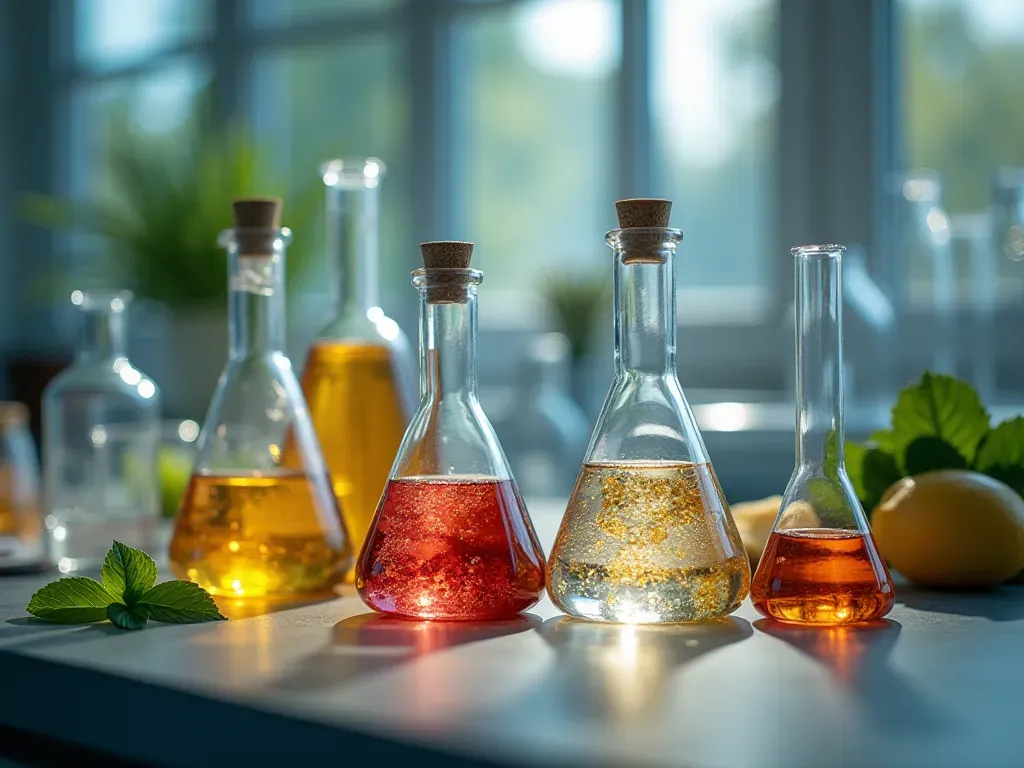
Look at your bench right now. Seriously. Count how many flammable, petroleum-derived solvents are sitting within arm's reach. Most of us in the Dutch health science community treat these chemicals like tap water. We assume the supply chain is infinite. That assumption is about to cost us our careers and our breakthroughs.
I was struck by a conversation with a supply manager at a major Eindhoven pharma facility last month. He wouldn't use his name, but he told me they're already seeing volatility in reagent pricing that has nothing to do with inflation. It has everything to do with the slow strangulation of the petrochemical feedstock. The cracks are showing.
The Netherlands is ground zero for this coming disruption. We host some of the biggest chemical players in Europe. Royal Dutch Shell isn't just a name on a barrel. It's a structural pillar of our economy. When a court in The Hague forced Shell to slash emissions in 2021, everyone cheered the environmental win. Nobody stopped to think about what happens to the solvents.
Here's the thing. Organic chemistry isn't just a science of ideas. It's a science of stuff. And that stuff comes from oil. Bruce Lipshutz nailed the core issue in his recent opinion piece. We are building the future of health on a foundation that is literally being dug up and burned elsewhere. When the drilling stops, the synthesis stops. The borrowed time is shorter than you think.
Why Your Solvent Supply is a Ticking Time Bomb
You might think the transition to green chemistry is happening fast. It's not. The data shows we're stuck in a loop of incremental improvements while the clock ticks down. Chlorinated solvents are still being buried in landfills that climate change is destabilizing. Incineration pumps more CO2 into the air. We are trapped by the waste we create. The status quo is a dead end.
I keep seeing grants awarded for projects that still rely on heavy metal catalysts and toxic solvents. It feels like rearranging deck chairs on the Titanic. If you're curious about how organic chemistry is currently enhancing health outcomes in the Netherlands, you might be shocked to find how little of that progress is truly sustainable. The disconnect is staggering.
The Shell Ruling Was Just the Warning Shot
Remember the 2021 ruling? That wasn't a one-off legal drama. It was a signal flare. BP followed up with production cuts. The trend lines are converging. Oil companies are pivoting to renewables because they have to. They aren't going to keep producing the low-value chemical feedstocks we need for our reactions at the same volume. The tap is turning off.
So who pays the price? You do. The student running a synthesis that requires 500 milliliters of dichloromethane per run will suddenly find that reagent costs ten times more. Or worse, it's unavailable. Your project gets shelved. Your grant gets questioned. The bottleneck isn't science anymore. It's logistics. We are facing a material shortage that no amount of clever chemistry can ignore if we don't adapt.
Who Wins When the Oil Dries Up
Every crisis creates winners. In this case, the winners are the ones already betting on water and biology. Chemoenzymatic catalysis is about to become the new gold standard. The 2018 Nobel Prize for directed evolution wasn't just a nice award. It was a roadmap for the post-petroleum era. Those who ignored it are now scrambling to catch up.
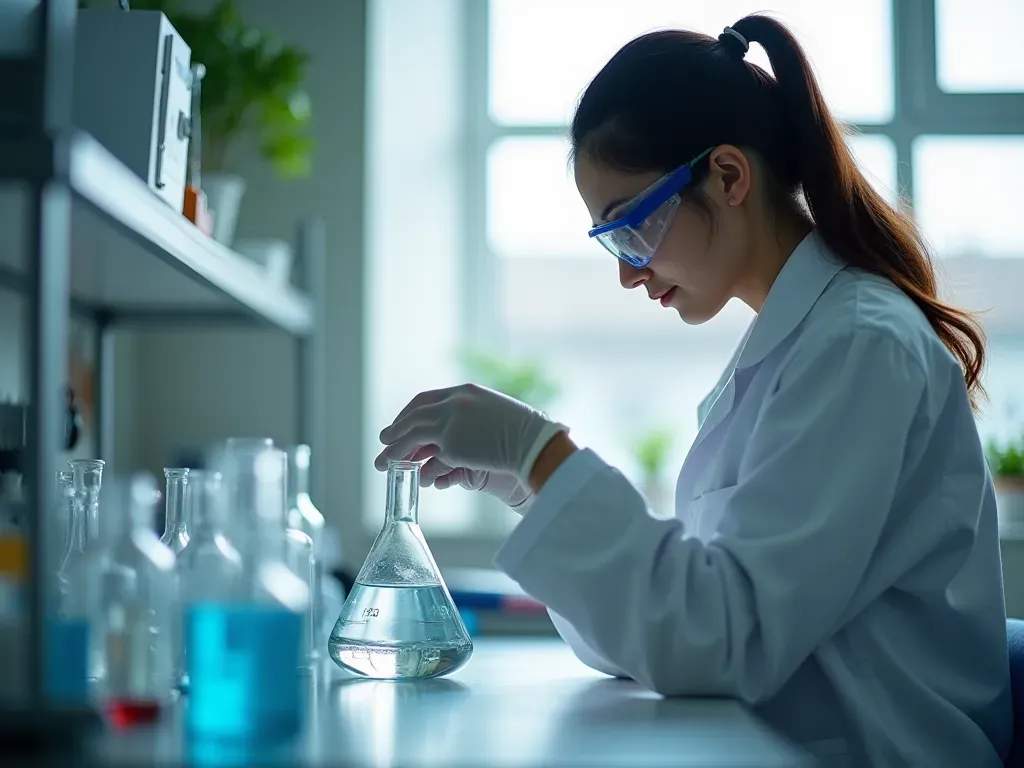
Enzymes work in water. Water is everywhere. It's not flammable. It's cheap. If your lab can master tandem processes that use enzymes to transform organic molecules without a drop of hexane, you're going to dominate the next decade. The economic savings alone are massive. Fewer purification steps. Less waste. Higher yield. This is the path to survival.
The Chemoenzymatic Gold Rush
Look at the landscape of Dutch research. We have incredible talent in biotech. The pivot to chemoenzymatic methods fits our strengths perfectly. But we need to move faster. I've reviewed proposals that still treat water as a solvent of last resort rather than a primary medium. That mindset is obsolete. We need to embrace aqueous chemistry as the default, not the exception.
There's a hidden treasure trove in natural products too. Lipshutz mentioned catalysts derived from plants and minerals that we haven't even cataloged yet. This ties directly into the broader health science mission. If you want to see the hidden power of organic chemistry in developing authentic natural health solutions, you have to look beyond the petrochemical catalog. Nature has the answers we're desperate for.
Why Traditional Chemists Are Panic-Buying Patents
Big pharma knows what's coming. You can see it in the patent filings. Companies are suddenly hoarding IP around bio-based solvents and green synthesis routes. They aren't doing this out of altruism. They're securing their supply chains for 2030 and beyond. If you're an independent researcher or a startup, you're playing catch-up. The giants are locking down the future.
And let's be honest about the workforce. How many young chemists are trained to work without oil-based reagents? Most curricula are decades out of date. We're graduating scientists who are brilliant at manipulating bonds but clueless about the environmental and supply constraints of their materials. That's a dangerous gap. We need a curriculum overhaul immediately.
The Health Science Pivot
Health science isn't immune. The drugs that keep people alive depend on organic synthesis. If the synthesis breaks, the drugs break. We're talking about the nucleic acids in vaccines. We're talking about the complex molecules in oncology treatments. This isn't abstract. It's about patient care. The link between solvent availability and drug delivery is direct and fragile.
Natural polymers offer another lifeline. They can replace petroleum-based materials in drug delivery and medical devices. The research on this front is accelerating, but it needs more visibility. The hidden power of natural polymers in reshaping future medicine is a story we need to tell louder and sooner. These materials could save the industry from itself.
Beyond the Hype of Green Chemistry
Green chemistry has become a buzzword. Sometimes it feels like marketing fluff. We need to cut through the noise. Real green chemistry means zero reliance on finite fossil resources. It means designing reactions that can run in a community water lab, not just a fortified industrial bunker with a million-euro waste disposal budget. Authenticity matters.
I've seen too many projects claim sustainability while still dumping chlorinated waste. That's not green. That's greenwashing. We need rigorous standards. If a method produces toxic byproducts, it doesn't matter if the solvent was bio-derived. The whole system has to change. Half-measures won't save us when the oil runs out. We need systemic transformation.
What You Need to Do Right Now
Don't wait for the crisis to hit. Audit your lab today. Identify every petroleum-derived input. Start prototyping alternatives. If you're writing grants, make sustainability a core criterion, not a footnote. Reviewers are waking up to this. Projects that ignore the solvent problem are getting flagged. Proactive adaptation is the only way forward.
Collaboration is key. Chemists need to talk to biologists. Materials scientists need to talk to polymer experts. The silos are killing us. The breakthroughs will come from the intersections. We need a Dutch coalition for sustainable synthesis that forces the issue across universities and industry partners. Isolation guarantees failure in this transition.
The future of organic chemistry is in jeopardy. Lipshutz is right about that. But jeopardy also means opportunity. The scientists who adapt now will define the next era of health science. The ones who cling to the old ways will find themselves stuck with empty bottles and obsolete methods. The choice is yours. The clock is ticking.
I believe we can pull this off. The Dutch scientific community is resilient and innovative. We've handled water management challenges that stump the rest of the world. We can handle the chemistry transition. But we have to act. The borrowed time is running out. The clock is ticking on every drop of solvent on your bench. Wake up.

Comments ()