Best Scientific Research Papers
Scientific Evidence Behind Natural Eczema Remedies
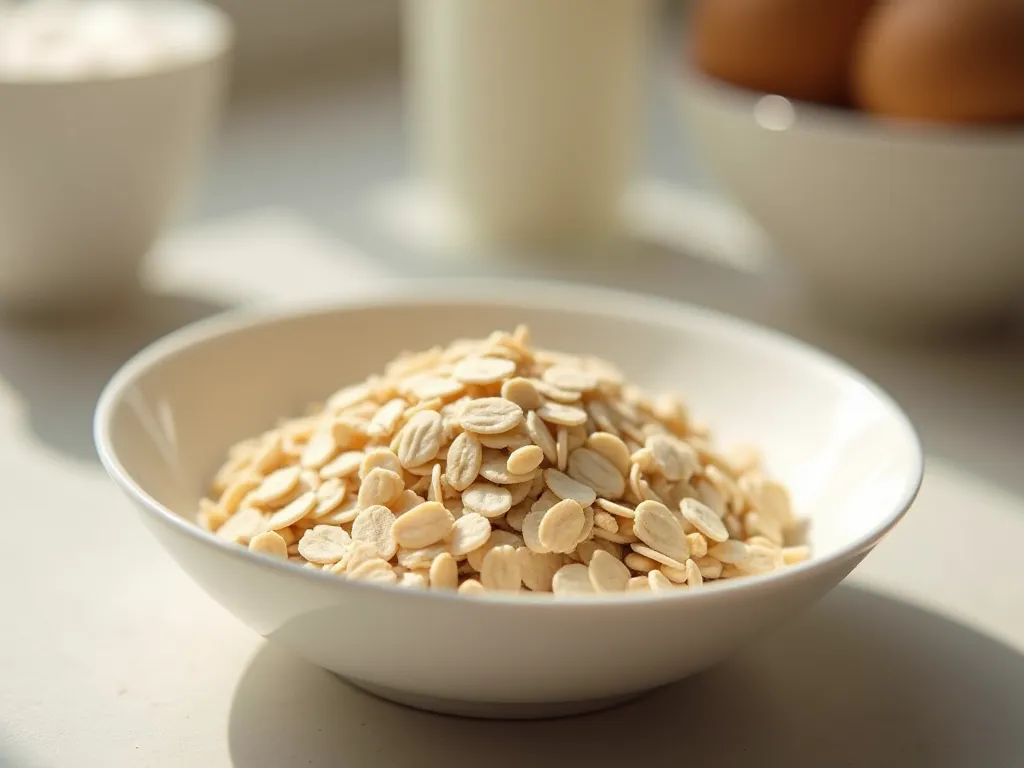
Colloidal oatmeal and virgin coconut oil have the strongest scientific support for eczema relief, primarily through moisturizing and anti-inflammatory effects. While other natural remedies like aloe vera show promise for wound healing, they lack robust eczema-specific trials. Most alternatives do not yet possess rigorous clinical evidence sufficient to replace standard medical therapies.
Avena sativa contains unique compounds called avenanthramides that actively inhibit inflammatory enzymes in the skin. This biochemical action helps calm irritation at a cellular level, distinguishing oatmeal from simple emollients. The fine particles create a physical barrier on the surface of the epidermis.
This layer reduces transepidermal water loss by trapping moisture within the stratum corneum. By preventing rapid dehydration, the skin maintains its structural integrity and resilience against environmental triggers. This dual mechanism addresses both symptoms and underlying dryness simultaneously.
Clinical Validation
A 2020 study found that colloidal oatmeal cream has antioxidant and anti-inflammatory properties that reduce dryness, scaling, roughness, and itch intensity. These findings establish it as a clinically validated option rather than an anecdotal remedy.
Practitioners often recommend this ingredient because its effects are reproducible across different skin types. The combination of barrier support and enzyme inhibition offers a comprehensive approach to management. Users should look for products where colloidal oatmeal is listed as a primary active component.
Coconut Oil: Barrier Support vs. Allergy Risk
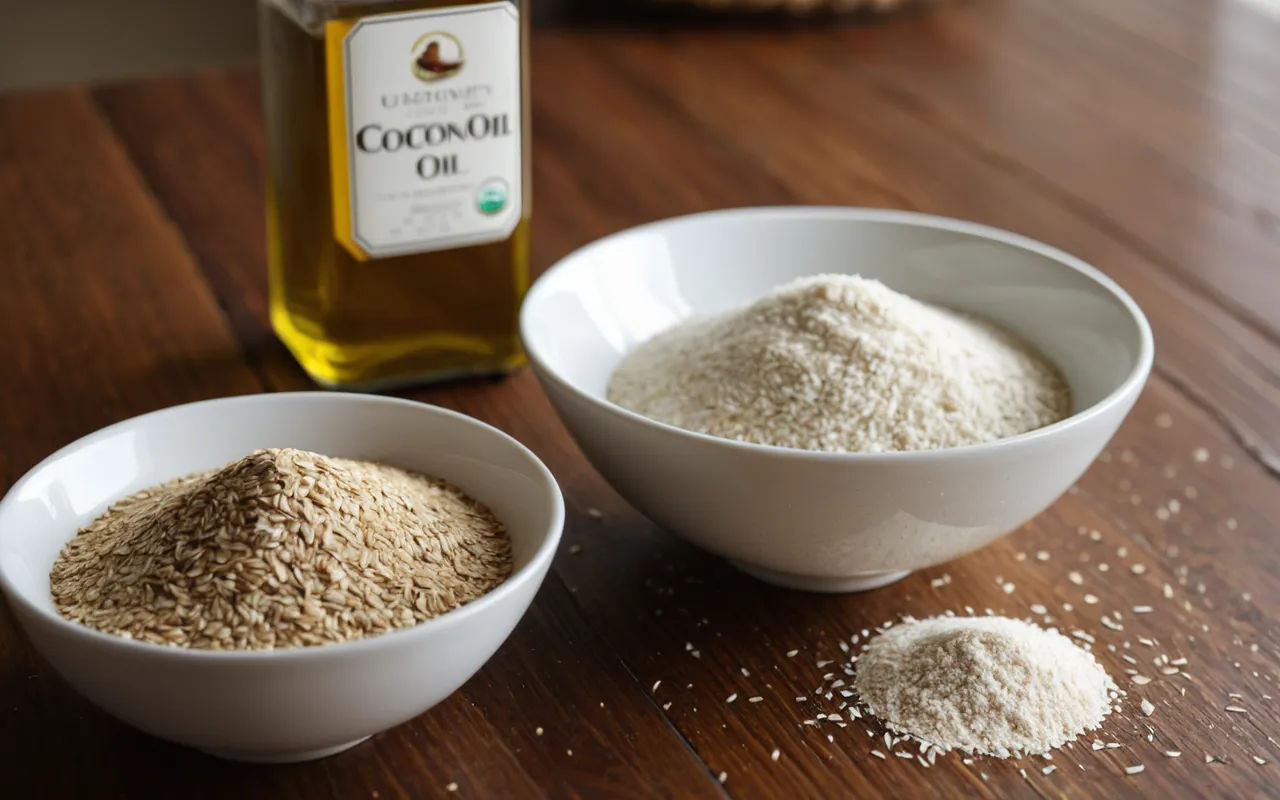
Virgin coconut oil contains lauric acid, a fatty acid with documented antimicrobial and anti-inflammatory properties. This compound helps limit bacterial overgrowth on the skin surface while contributing to a protective layer that reduces moisture loss. For eczema management, this dual action addresses both infection risk and barrier dysfunction simultaneously.
Clinical observations indicate that applying topical virgin coconut oil over an eight-week period leads to measurable improvements in skin condition scores. The primary benefit comes from enhanced hydration, which stabilizes the stratum corneum and reduces flaking. This sustained application allows the lipid content to replenish intercellular lipids or occlude moisture more effectively than intermittent use.
Unrefined variants are generally preferred because they retain a higher concentration of these bioactive fatty acids compared to heavily processed versions. However, coconut oil is a known allergen for some individuals, making patch testing essential before full-body application. Susceptible users may experience contact dermatitis despite the product's overall benefits.
Aloe Vera and Honey: Adjunctive Healing Properties
Aloe Vera: Managing Secondary Infections
Eczema flares often compromise the skin barrier, creating entry points for bacteria that lead to secondary infections. A 2019 review reported that aloe vera gel has antibacterial and antimicrobial properties, which makes it a useful adjunctive agent when standard moisturizers fail to control microbial overgrowth on damaged tissue.
Honey: Immune Support and Inflammation Control
Honey serves as more than just a humectant; it actively modulates the local immune response in compromised skin. Its anti-inflammatory compounds help reduce redness and swelling, while its antibacterial nature supports wound healing processes. This dual action makes honey particularly relevant during acute flare-ups where inflammation is severe.
Both agents function best as supportive care rather than primary treatments for atopic dermatitis. They complement standard moisturizers by targeting specific biochemical pathways like infection control and immune modulation. Users should apply these products over a base layer of emollient to maintain hydration while leveraging their therapeutic properties.
Bath Additives: Bleach, Vinegar, and Oats
Dilute bleach baths target bacterial overgrowth on compromised skin, a common driver of eczema flare-ups. Clinical protocols recommend mixing one-quarter cup of plain household bleach with water in a full bathtub to achieve the correct concentration. Soaking for ten minutes allows hypochlorite ions to reduce surface bacteria without penetrating deep enough to damage tissue. Rinsing immediately afterward minimizes residual chemical exposure, making this method safer for sensitive skin than undiluted solutions.
Vinegar baths address the altered pH balance often seen in atopic dermatitis by restoring acidity to the stratum corneum. The National Eczema Association suggests adding two cups of vinegar to a warm bath and soaking for fifteen to twenty minutes. This duration is sufficient to shift surface chemistry without causing significant stinging or irritation. Users must monitor their reaction, as higher concentrations can strip natural oils and exacerbate dryness rather than relieve it.
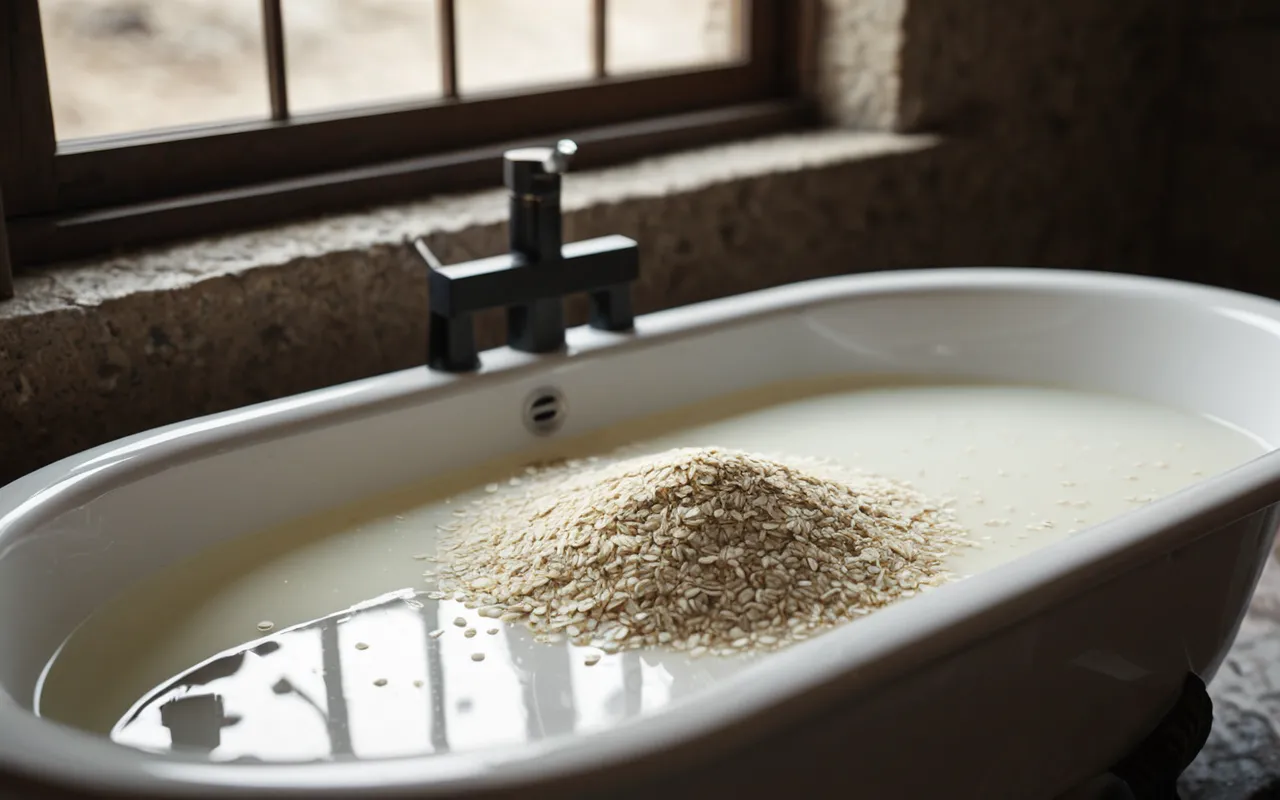
In a bath setting, lukewarm water is preferred over hot to prevent the heat-induced vascolation that often triggers itching in eczema-prone skin. Using finely ground colloidal oatmeal ensures it mixes evenly without clumping or settling unevenly at the bottom of the tub. This preparation allows the oats to disperse effectively through the bathwater, providing a consistent contact with the skin during the soak.
Safety depends heavily on precise dilution ratios and timing for all three additives. Bleach requires strict adherence to volume measurements because even slight over-concentration can cause chemical burns or severe irritation. Vinegar demands careful monitoring of skin tolerance, as individual sensitivity varies widely based on the severity of eczema lesions. Oatmeal baths are generally low-risk but require consistent temperature control to avoid triggering histamine release in reactive individuals.
Lifestyle Factors: Fabrics, Hygiene, and Triggers
Fabrics exert a mechanical influence on skin integrity that topical agents cannot fully offset. Cotton garments are widely recommended because they remain soft against irritated tissue and permit airflow, reducing the heat buildup that often precedes an itch-scratch cycle. Synthetic materials tend to trap moisture and create friction points, which can exacerbate micro-tears in an already compromised epidermis.
Bathing habits directly dictate how well subsequent treatments adhere. Hot water accelerates the evaporation of natural lipids from the stratum corneum, leaving the skin barrier vulnerable to irritants. Lukewarm showers paired with gentle cleansers help preserve these essential oils, ensuring that any applied botanicals or moisturizers have a stable surface to bind to rather than being immediately washed away.
The efficacy of natural remedies relies heavily on the frequency and timing of application. Consistent reapplication two to three times daily maintains hydration levels between cleansing sessions, preventing the barrier from drying out overnight. This regular rhythm supports continuous repair processes, allowing active compounds in treatments like aloe or oatmeal extracts to work without interruption.
Limitations of Natural Products in Atopic Dermatitis
Natural remedies primarily target surface-level symptoms like dryness and irritation, but they do not address the underlying immune dysregulation driving atopic dermatitis. While colloidal oatmeal or coconut oil can soothe acute flares by reinforcing the skin barrier, these compounds lack the potency to modulate the systemic inflammatory responses characteristic of chronic eczema. Relying solely on topical botanicals leaves the core pathophysiology unmanaged.
Individual sensitivities vary significantly among patients with atopic dermatitis, a condition often linked to personal or family histories of asthma and hay fever. A compound that hydrates one person’s skin may trigger contact allergy in another due to unique immune profiles. This variability means that natural products cannot serve as universal solutions without careful monitoring for adverse reactions.
Effective management requires integrating these adjunctive therapies into a comprehensive medical plan rather than using them as standalone cures. Physicians typically prescribe immunomodulatory treatments to control the internal drivers of inflammation, while natural agents support external skin health. Viewing botanical remedies as complementary tools ensures that patients address both the root causes and visible symptoms without risking treatment gaps.
Frequently Asked Questions
Can natural oils like coconut oil worsen eczema in some people?
Yes, coconut oil can potentially worsen eczema because it may trigger allergic reactions in susceptible individuals. While virgin coconut oil offers antimicrobial benefits and barrier support for many patients, the article highlights a distinct allergy risk that requires careful consideration before use.
How long should I use colloidal oatmeal before seeing results?
Researchers found that the use of topical virgin coconut oil over eight weeks improved skin condition. However, no standardized timeline exists for colloidal oatmeal alone; a 2020 study noted it has antioxidant and anti-inflammatory properties that reduce dryness, scaling, roughness, and itch intensity.
Is it safe to combine bleach baths with other topical treatments?
The provided facts do not specify safety protocols for combining bleach baths with other topicals. However, standard practice involves rinsing thoroughly after the ten-minute soak before applying any additional skincare products or medications.
Do these natural remedies work for children as well as adults?
Yes, specific adjustments are recommended for children to ensure safety and effectiveness. For instance, a lower amount of bleach should be used in baths for small children compared to adult dosages.