Innovative Advances in Organic Chemistry Enhancing Health Outcomes in the Netherlands
The Intersection of Organic Chemistry and Health Science in the Netherlands
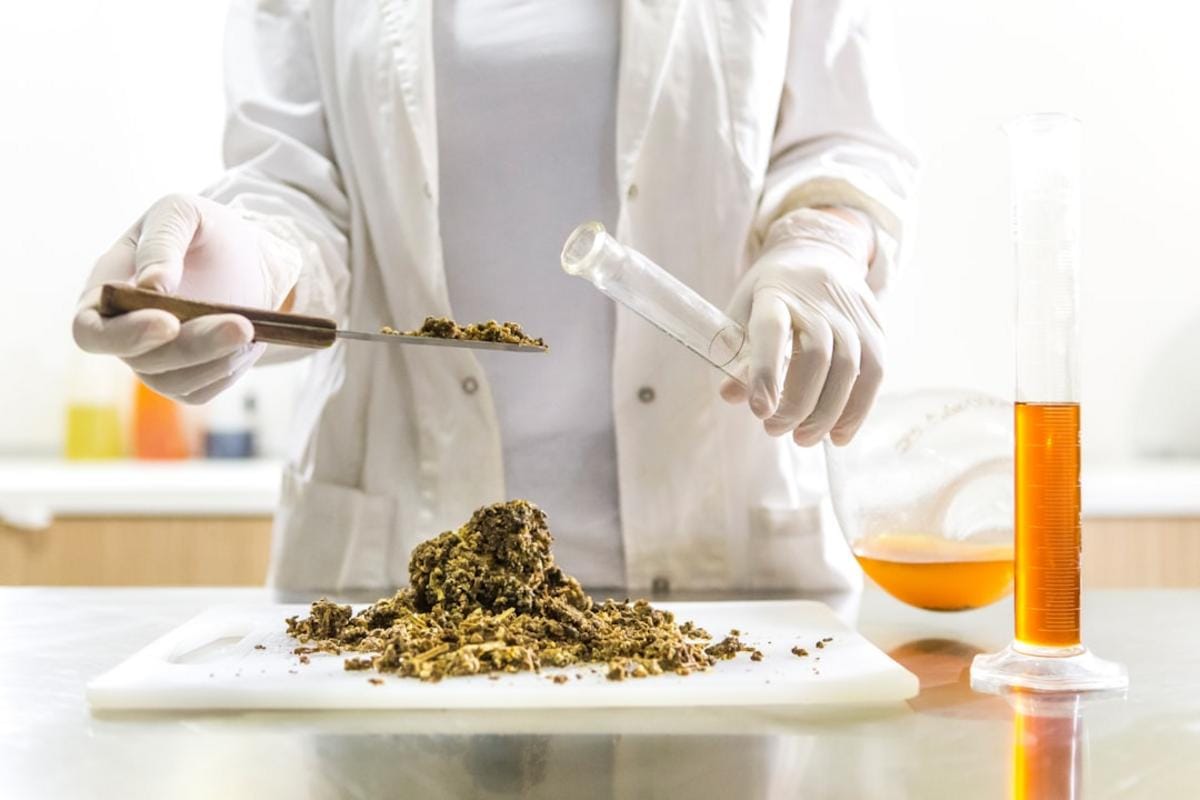
Over recent years, the integration of organic chemistry into health sciences has marked a transformative phase, especially within the Dutch scientific community. Dutch researchers have been pioneering studies that explore how complex organic molecules and polymers can be harnessed to develop novel therapeutic agents and enhancing drug delivery systems. For instance, research at institutions like Leiden University and Delft University of Technology has significantly contributed to understanding natural products derived from plants and marine sources. These studies not only deepen our understanding of bioactive compounds but also set the stage for the creation of more sustainable and effective healthcare solutions. The Netherlands boasts a vibrant ecosystem of interdisciplinary collaborations where chemists, biologists, and clinicians work together to translate molecular discoveries into tangible health benefits. This integration emphasizes the importance of organic structures in developing targeted treatments, along with biocompatible polymers used in advanced medical devices. As the health sciences sector evolves, Dutch innovation continues to position itself at the forefront of this exciting frontier, fostering research that bridges fundamental organic chemistry with practical health applications.
Emerging Trends in Natural Product Chemistry for Health Innovation
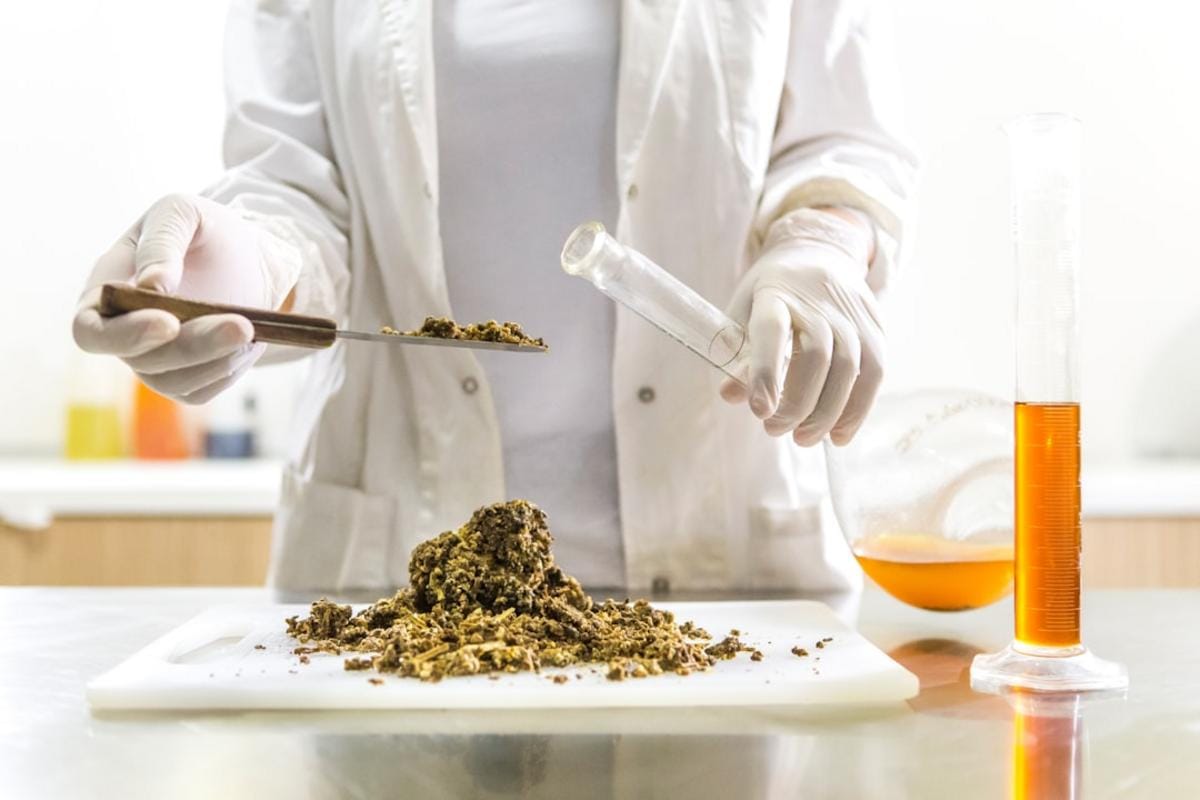
One of the most promising areas within organic chemistry research relates to the exploration of natural products for medicinal purposes. Dutch scientists have been intensely focused on isolating and characterizing bioactive compounds from indigenous plants, fungi, and marine organisms, aiming to discover new drugs with fewer side effects and higher efficacy. Recent papers highlight the potential of flavonoids, alkaloids, and other secondary metabolites extracted from Dutch flora, which have shown remarkable anti-inflammatory, antiviral, and anticancer properties. These insights are crucial as global health challenges demand more sustainable and nature-based solutions. Additionally, advanced techniques such as high-throughput screening coupled with computational modeling enable researchers to rapidly identify promising candidates for drug development. The Netherlands is also investing heavily in bioprospecting initiatives that protect genetic diversity and promote biotechnological innovations. Such efforts are integral to ensuring that natural products continue to be a vital reservoir for future health breakthroughs, emphasizing the importance of sustainable research practices aligned with ecological conservation.
Innovative Polymers Derived from Organic Chemistry for Medical Applications
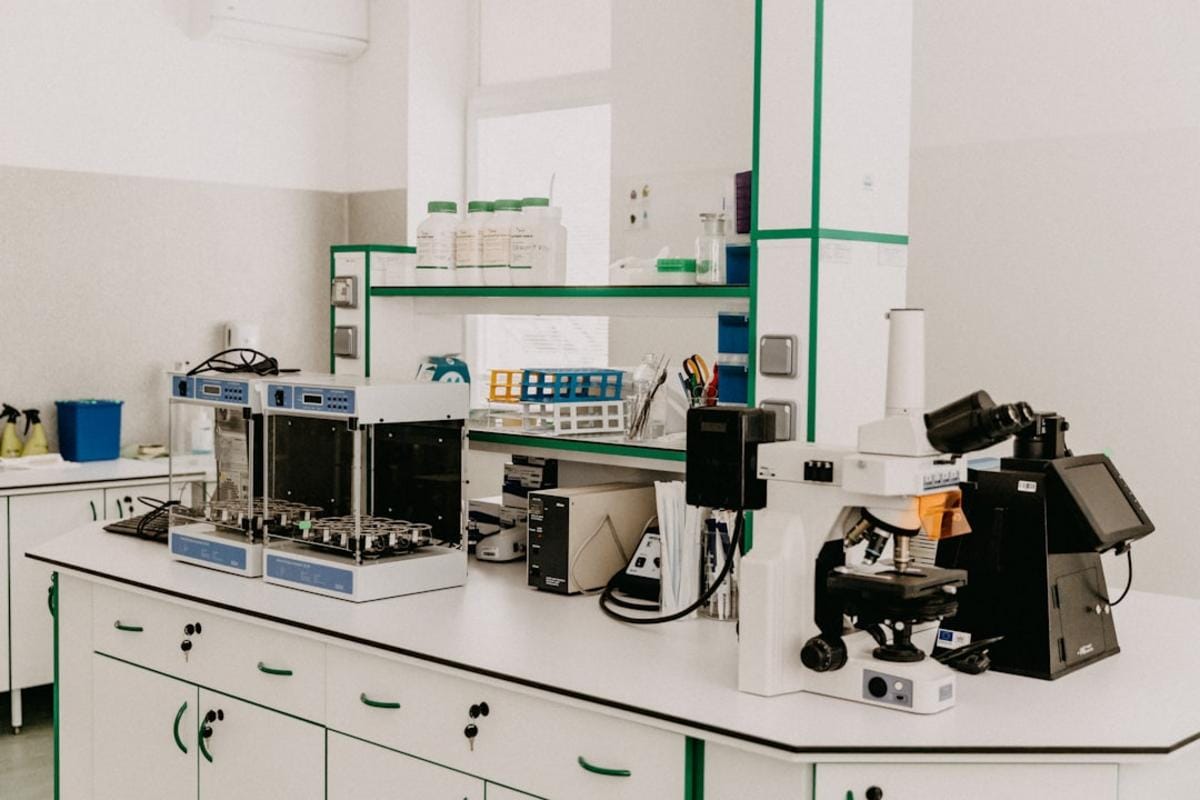
Advancements in polymer chemistry have opened exciting avenues for developing biomaterials suited for medical use. Dutch research institutions are leading efforts to synthesize biocompatible and biodegradable polymers that can be used in tissue engineering, drug delivery, and regenerative medicine. For example, recent studies have shown how tailored polymers can enhance wound healing or serve as carriers for targeted drug release, reducing systemic side effects. These innovations are largely owing to the versatile nature of organic chemistry, allowing scientists to fine-tune polymer properties such as elasticity, degradation rate, and molecular recognition. Moreover, collaborations with industry are fostering the commercialization of these materials, with Dutch startups playing a pivotal role in translating laboratory findings into practical healthcare solutions. As health challenges continue to evolve, the future of polymer-based biomaterials appears promising, especially with ongoing research focusing on sustainable and eco-friendly production methods that align with global environmental goals.
Comments ()