Innovative Advances in Health Science Through Natural Products and Polymers in the Netherlands
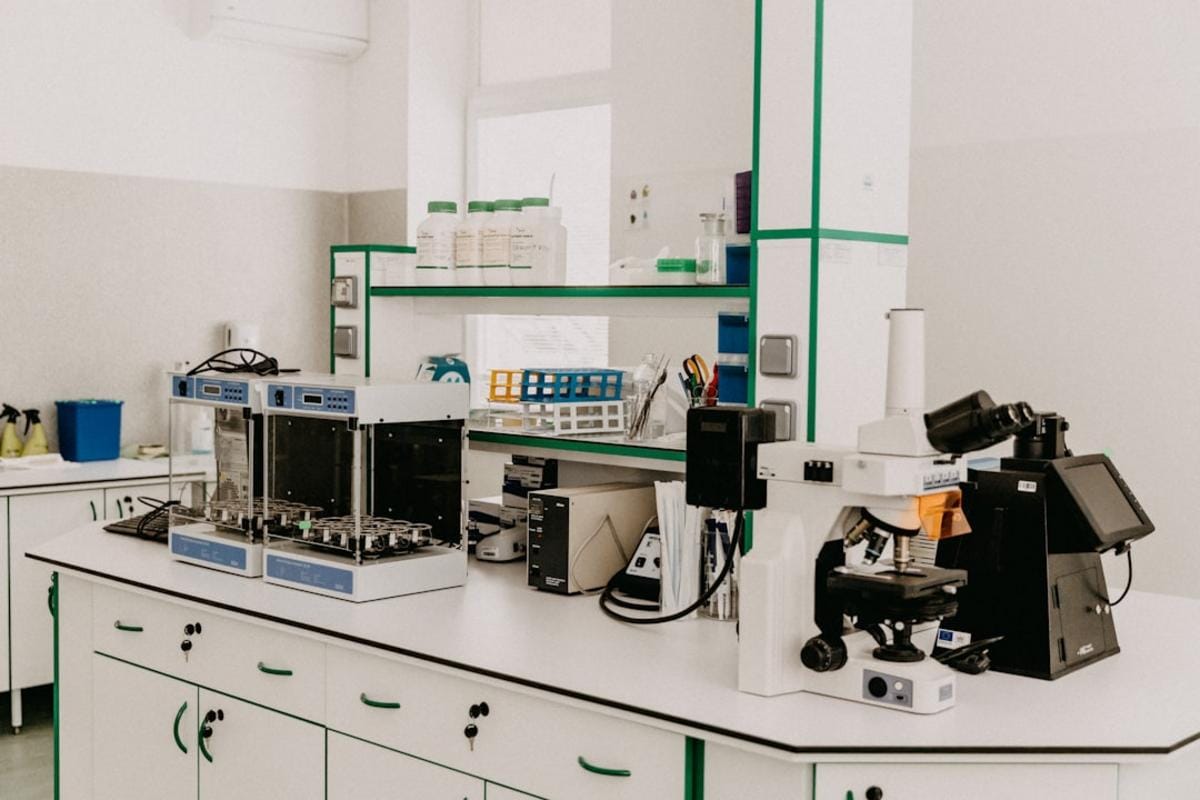
Cutting-Edge Research in Natural Products and Organic Chemistry Within the Dutch Scientific Community
Recent advancements in Dutch health science highlight the significant role waste-derived natural products and innovative organic chemistry techniques are playing in developing new therapeutic agents. Researchers across the Netherlands have focused extensively on sustainable sources such as plants, algae, and microbial metabolites—to harness their healing properties without relying solely on synthetic pharmaceuticals. For example, a recent study published in the European Journal of Organic Chemistry demonstrated how phytochemicals extracted from locally sourced herbs can be transformed into potent anti-inflammatory compounds capable of reducing chronic disease symptoms. Alongside this, pioneering efforts in organic synthesis aim to improve variability reduction and maximize yield while minimizing environmental impact. These developments are essential because they merge ecological concerns with the demand for effective health treatments, leading to a more sustainable future. The Dutch research community's commitment to integrating natural product research with organic chemistry emphasizes not only innovation but also a conscientious approach that aligns with global health and environmental goals. Industry collaborations, such as partnerships between academia and biotech firms, further accelerate the translation of these discoveries into real-world applications, making Dutch contributions to natural product research increasingly influential on the international stage.
Polymers and Their Transformative Role in Health Applications in the Netherlands
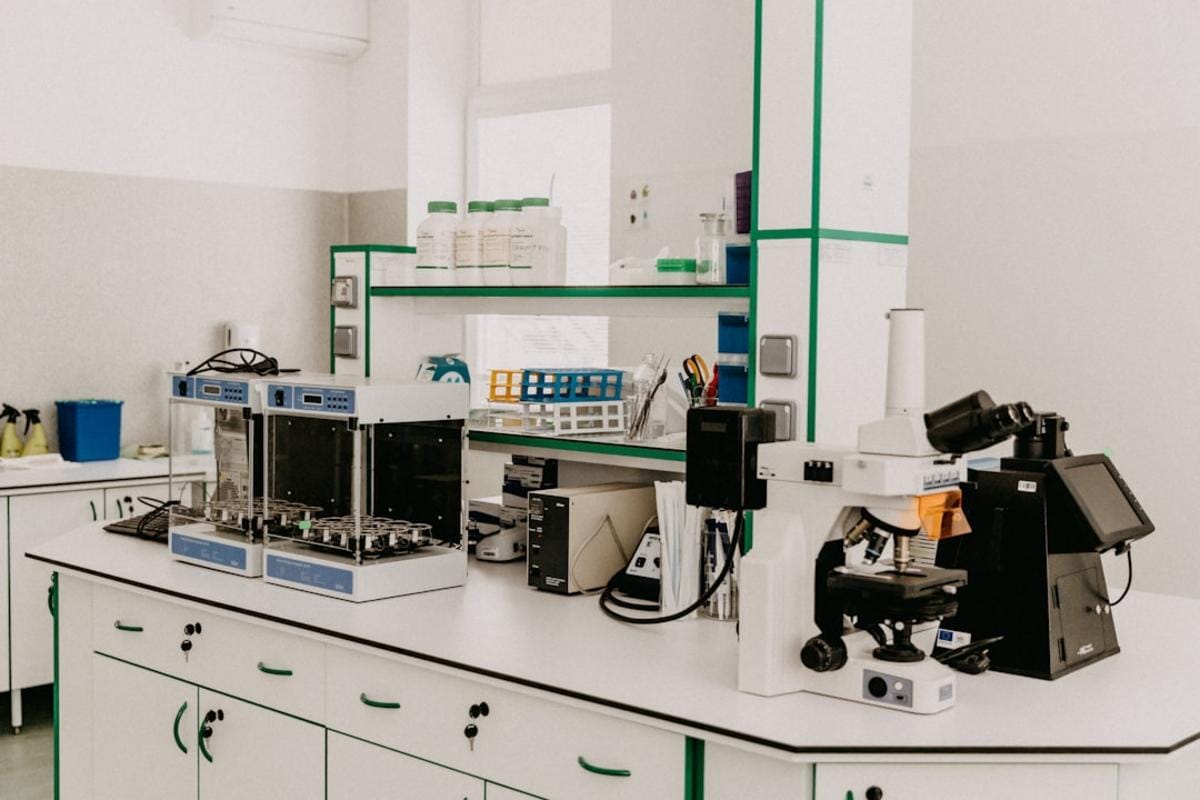
In the realm of health science, the innovative use of polymers is rapidly gaining momentum, especially within Dutch research laboratories focused on biomedical applications. Researchers are designing biocompatible, biodegradable polymers that can serve as drug delivery systems, tissue engineering scaffolds, or even wound dressings. For instance, a recent breakthrough involves the development of smart polymer hydrogels capable of releasing medication in response to specific physiological stimuli, such as pH or temperature changes. These advanced materials, often derived from natural polymers like chitosan or cellulose, aim to improve treatment efficiency and reduce side effects. The Netherlands’ focus on sustainable materials also influences this field, with a growing interest in polymers sourced from renewable resources, aligning scientific progress with ecological stewardship. Additionally, Dutch startups and established companies are exploring the commercial potential of these innovations, working tirelessly to bring laboratory discoveries to clinical and consumer markets. This synergy between scientific research and industry accelerates health innovations and promises a future where personalized, minimally invasive treatments become a widespread reality, fundamentally transforming healthcare practices across the globe.

Emerging Trends and Practical Implications for Health Science in the Netherlands
As Dutch researchers continue to push boundaries, cutting-edge trends such as personalized medicine, nanotechnology, and sustainable biomaterial applications are becoming more prevalent. These advancements hold profound implications for clinical practice, pharmaceutical development, and preventive healthcare. For instance, recent studies have shown how nanocarriers engineered from natural polymers can target specific cells and tissues, enhancing drug efficacy while minimizing adverse effects. Meanwhile, ongoing research into eco-friendly biomaterials is paving the way for biodegradable implants and wound dressings, aligning health innovations with ecological sustainability. The Dutch government and research institutions are actively funding projects that foster such interdisciplinary approaches, ensuring that scientific discoveries keep pace with societal needs. This proactive stance positions the Netherlands as a leader in transforming theoretical insights into tangible healthcare improvements, fostering an environment that values innovation, collaboration, and practical application. For health professionals and industry stakeholders, staying informed about these emerging trends is essential to adapt and adopt innovations that could markedly improve patient outcomes worldwide.

Comments ()