Innovative Advances in Natural Products and Polymers Shaping Health Science in the Netherlands

Pioneering Research in Natural Products and Their Role in Modern Healthcare
Recent developments in health science have underscored the significance of natural products derived from plants, fungi, and marine organisms. These substances, long used in traditional medicine, are now being scientifically validated through rigorous research methodologies conducted across the Netherlands. Innovative studies are focusing on identifying bioactive compounds with therapeutic potential for diverse health conditions such as chronic inflammation, neurodegenerative diseases, and metabolic disorders. For instance, Dutch research teams are exploring the properties of polyphenols and alkaloids derived from indigenous flora, leading to potential breakthroughs in developing plant-based pharmaceuticals. These efforts are complemented by advanced extraction techniques and analytical tools like mass spectrometry and nuclear magnetic resonance spectroscopy, which facilitate the precise characterization of complex natural mixtures. The emphasis on sustainable sourcing and bioprospecting ensures that benefits derived from these bioresources contribute not only to health advancements but also to ecological conservation initiatives. This nexus between natural product research and sustainable practices exemplifies the future trajectory of health science in the Netherlands, fostering innovations that bridge traditional medicine and modern pharmaceutical development.

Emerging Trends in Organic Chemistry and Its Applications in Health Sciences
Organic chemistry continues to be at the forefront of health science innovation, particularly in the development of novel drug candidates and delivery systems. Dutch research institutions are pioneering synthetic pathways to modify natural compounds, enhancing their efficacy and bioavailability. These advancements enable the construction of complex molecules that serve as potential therapeutics with targeted mechanisms of action. One notable trend involves the design of small molecules using green chemistry principles to reduce environmental impact while maintaining high purity and yield. Additionally, the integration of computational modeling and machine learning accelerates the drug discovery process, allowing scientists to predict biological activity and optimize molecular structures more efficiently. This is particularly significant for personalized medicine, where tailored chemical compounds are developed to suit individual patient profiles. The Netherlands' commitment to sustainable and innovative organic chemistry practices is embodied in collaborations between academia and industry, shaping a future where chemical synthesis directly addresses pressing health challenges, including antimicrobial resistance and cancer therapy.
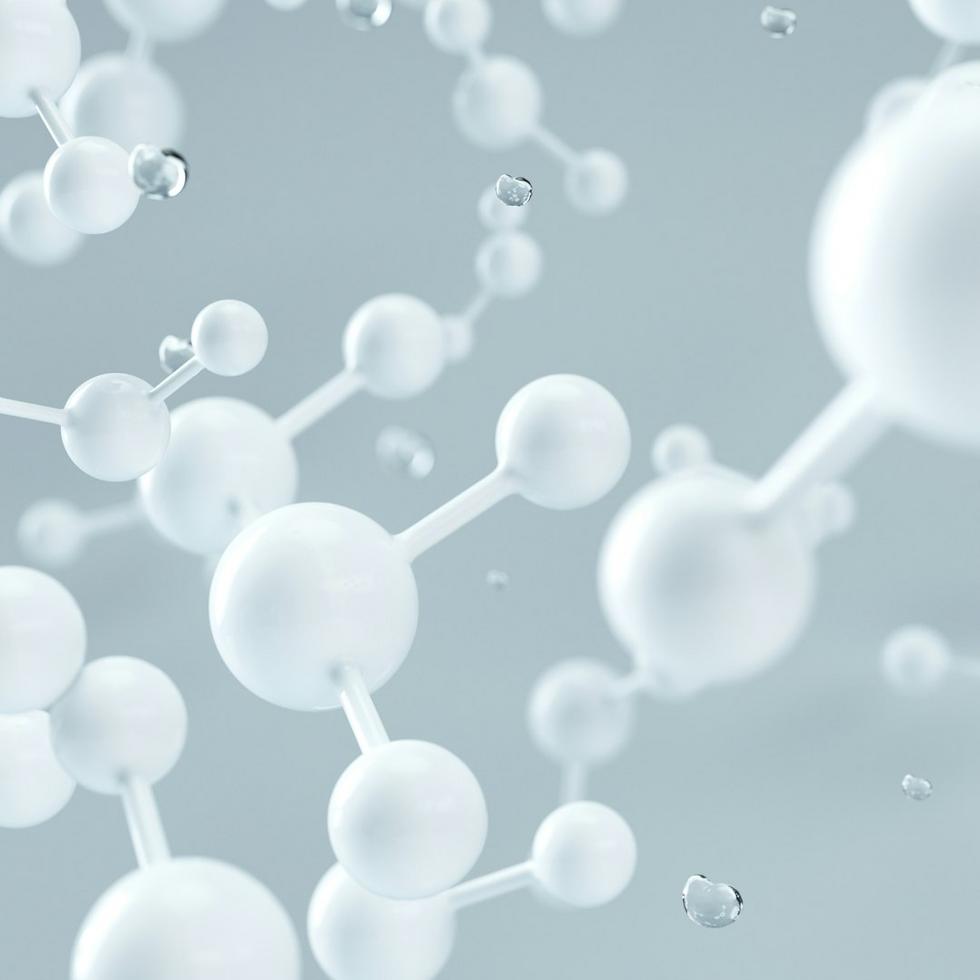
Polymer Science and Its Transformative Impact on Biomedical Technologies
Polymers are increasingly vital in the development of advanced biomedical devices, drug delivery platforms, and tissue engineering scaffolds. Dutch researchers are investigating biocompatible and biodegradable polymers that can be customized to release therapeutic agents in a controlled manner, improving treatment efficacy for chronic diseases. Innovations in polymer chemistry, such as the synthesis of smart polymers that respond to environmental stimuli like pH and temperature changes, are opening new avenues for targeted therapy and minimally invasive procedures. For example, research groups in the Netherlands are developing hydrogel-based systems capable of delivering growth factors to aid in tissue regeneration. Furthermore, the integration of nanotechnology with polymers enhances their functionality, enabling real-time monitoring of health conditions and personalized interventions. These cutting-edge developments demonstrate the transformative potential of polymer science in medicine, and ongoing collaborations between academic institutes and biotech companies ensure rapid translation of research into clinical solutions, maintaining the Netherlands' position as a leader in health-oriented polymer research.
Conclusion and Future Outlook for Dutch Health Science Research
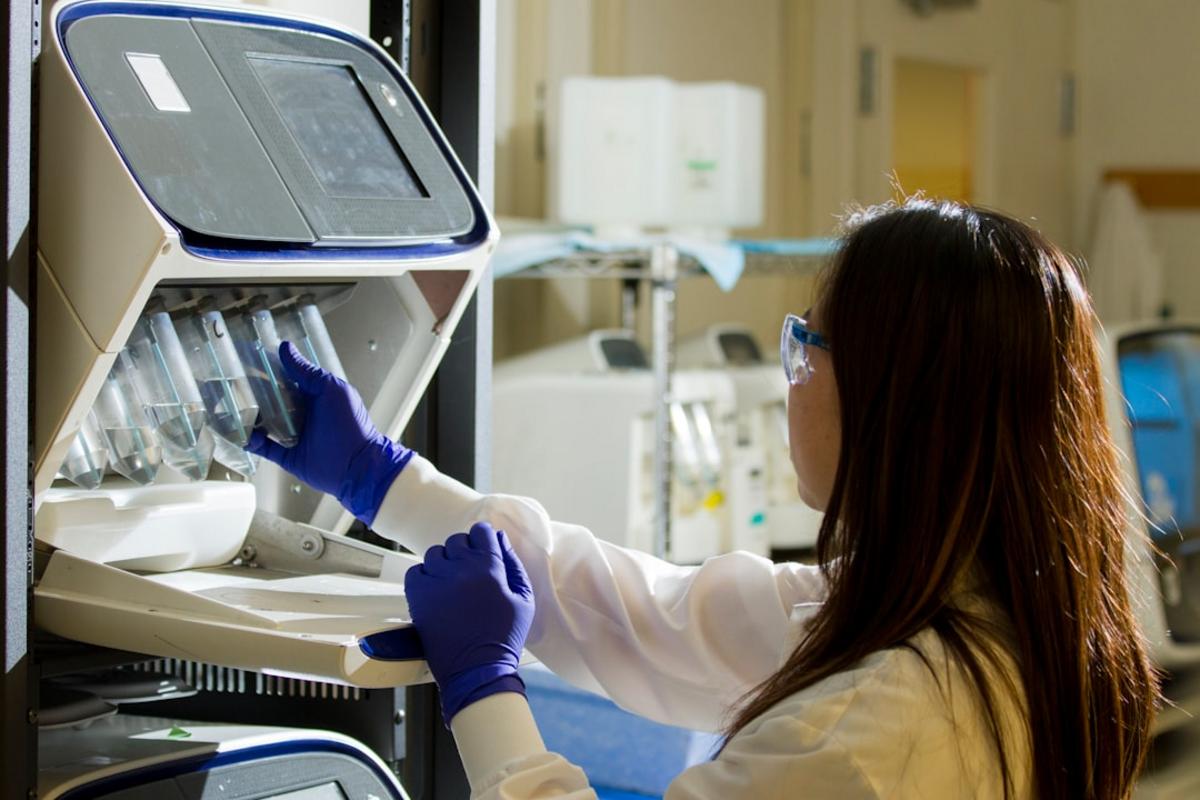
The Netherlands continues to be a vibrant hub for health science innovation, with research efforts spanning natural products, organic chemistry, and polymers contributing to groundbreaking therapies and medical technologies. The integration of multidisciplinary research approaches ensures that scientific discoveries are rapidly translated into practical health solutions benefiting society. The focus on sustainability and eco-friendly practices not only aligns with global environmental goals but also enhances the robustness of health innovations. As new techniques like metabolomics, systems biology, and nanofabrication evolve, Dutch scientists remain at the forefront of addressing complex health challenges, including aging, metabolic syndromes, and antibiotic resistance. Looking ahead, increased collaborations between academia, industry, and government agencies promise to accelerate the development of next-generation medicines and medical devices. With ongoing support for scientific research and innovation, the future of health science in the Netherlands looks promising, poised to deliver transformative impacts on healthcare worldwide.
Comments ()