Emerging Trends in Natural Products and Polymers Advancing Health Sciences in the Netherlands
Innovative Research on Natural Products Enhancing Therapeutic Options
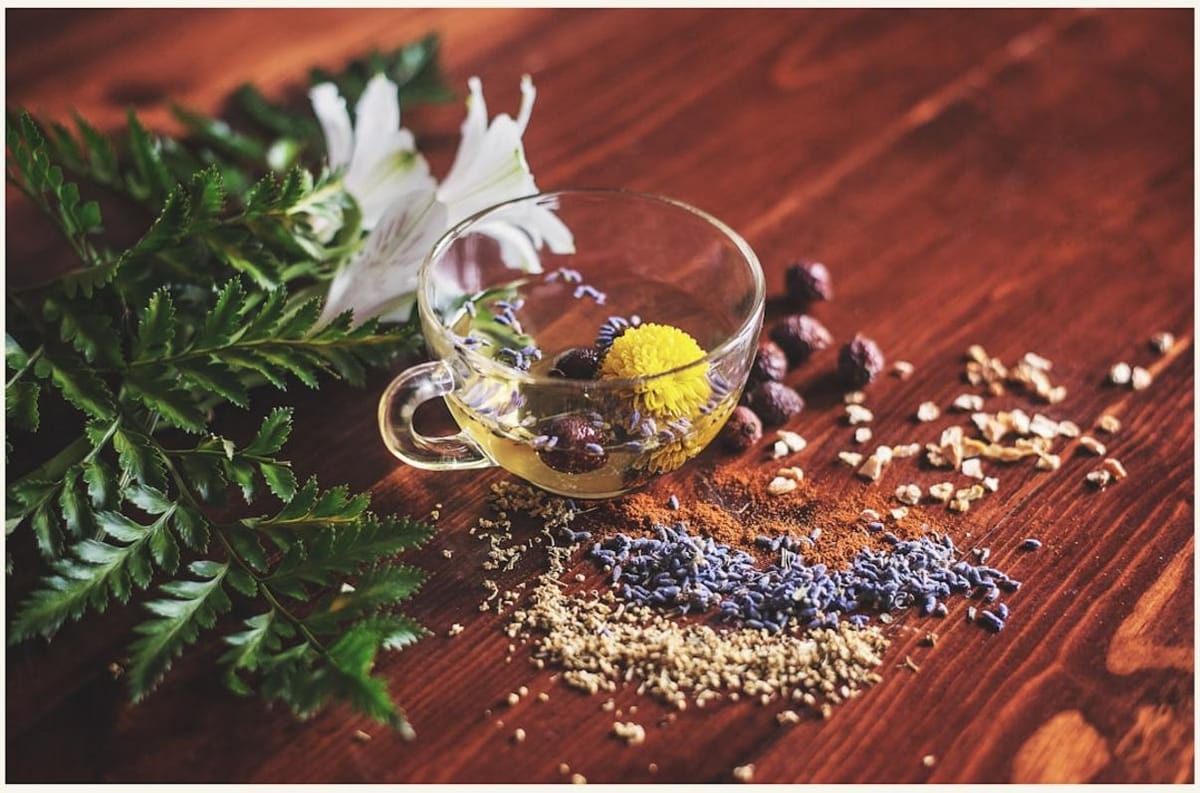
Recent studies have underscored the remarkable potential of natural products derived from diverse botanical sources to serve as sustainable and effective therapeutic agents. In particular, research conducted by Dutch scientists has revealed promising bioactive compounds with neuroprotective and anti-inflammatory properties, providing new avenues for treating chronic neurological conditions. These discoveries are not only significant for developing novel pharmaceuticals but also for promoting eco-friendly extraction and processing methods that align with sustainable practices. For instance, a breakthrough study published in the Journal of Natural Products highlighted the efficacy of plant-derived alkaloids in managing Alzheimer's disease, showcasing how traditional plant knowledge can be integrated with modern organic chemistry techniques to uncover new drug candidates. Moreover, the Netherlands has become a hub for research exploring the synergy between natural compounds and existing medications, aiming to enhance efficacy while reducing side effects. As the global health community increasingly emphasizes natural and integrative approaches, Dutch researchers are at the forefront, translating these scientific insights into practical health solutions that could benefit millions worldwide.
Advancements in Organic Chemistry Supporting Innovative Drug Development
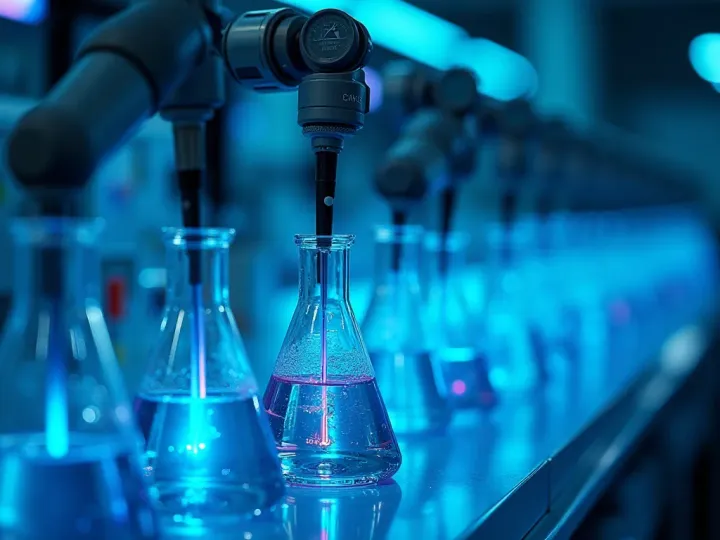
The field of organic chemistry remains central to the development of new medicinal agents, with Dutch laboratories pioneering novel synthetic pathways that streamline drug synthesis. Recent research has focused on designing bioorthogonal reactions that enable precise modifications of complex organic molecules, thereby improving drug targeting and reducing off-target effects. A noteworthy study from Dutch research institutions utilized this approach to modify existing drugs, increasing their bioavailability and reducing toxicity. This type of innovation emphasizes the importance of organic chemistry as a foundation for tailored, patient-specific therapies. Furthermore, advancements in green chemistry principles are being integrated into drug manufacturing processes, reducing environmental impact without compromising efficiency. These developments are producing more sustainable pharmaceutical production pipelines and opening the door for eco-innovative medicines that are safer for both humans and the planet. As the Netherlands continues to invest in organic synthesis technologies, the future of health science will benefit from more effective and environmentally responsible therapeutic solutions.
Polymer Innovations and Their Role in Modern Medical Applications
Polymers are increasingly shaping the future landscape of medical science, especially within the Netherlands where research into biocompatible and biodegradable polymers is flourishing. Recent breakthroughs involve engineering custom polymeric materials that serve as drug delivery vehicles, tissue scaffolds, or wound dressings, providing targeted and sustained therapeutic effects. A notable project led by Dutch institutions focused on developing smart polymers capable of releasing active compounds in response to physiological cues, such as pH or temperature changes. These smart polymers can significantly improve treatment outcomes for patients with chronic illnesses or those requiring local drug administration. Additionally, researchers are investigating the use of bio-based polymers derived from renewable resources to enhance sustainability. Such innovations are set to revolutionize regenerative medicine, making treatments more effective while reducing reliance on conventional, environmentally costly materials. As Dutch scientists continue to pioneer these polymer innovations, the health industry will benefit from safer, more adaptable, and eco-friendly medical devices and therapies.
Linking Scientific Discoveries to Practical health Applications
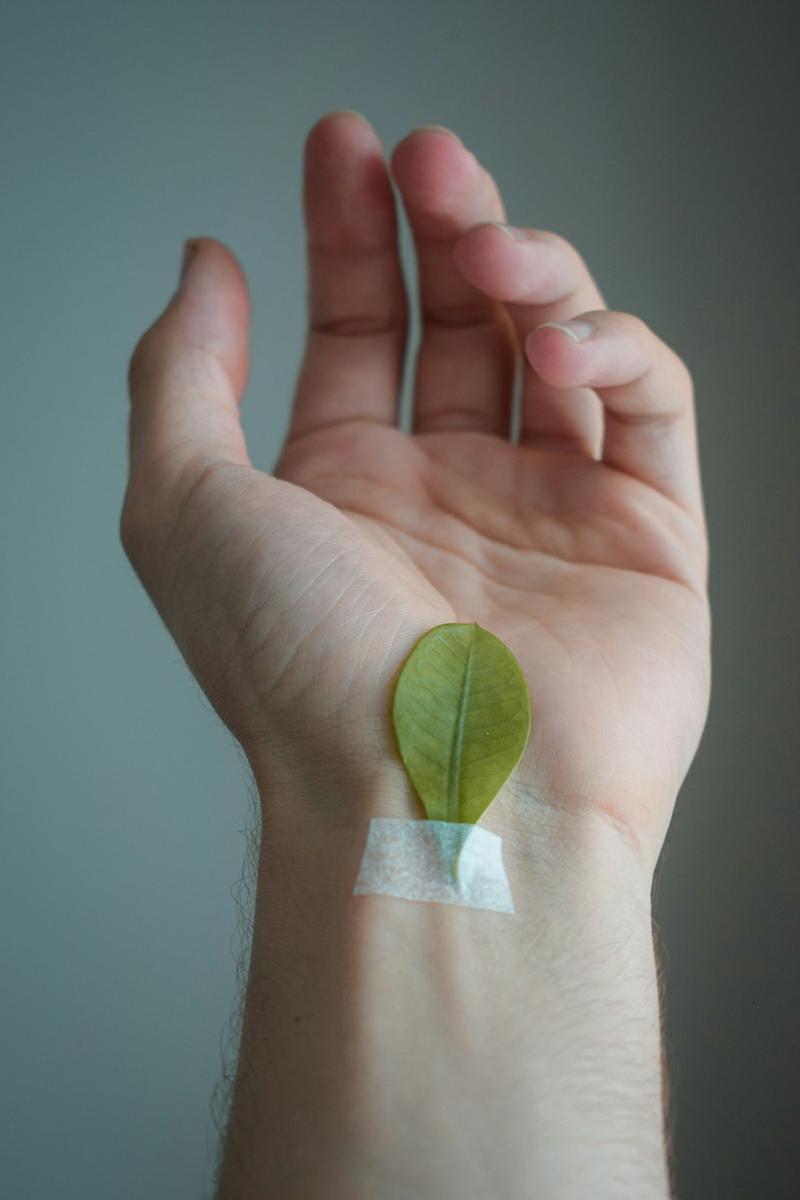
The latest research not only advances theoretical understanding but also emphasizes practical applications that can directly improve health outcomes. In the Netherlands, collaboration between academic institutions, biotech startups, and the pharmaceutical industry accelerates the translation of scientific discoveries into real-world solutions. For example, innovative nanocarrier systems based on natural polymers are being developed for targeted cancer therapies, with the potential to minimize side effects and improve patient outcomes substantially. Similarly, the integration of organic chemistry techniques with natural product research is leading to more effective anti-inflammatory medications, potentially replacing some conventional drugs with more sustainable options. This synergy between fundamental science and clinical application exemplifies the innovative spirit prevalent in Dutch health research, which aims to create accessible and effective treatments for various health challenges. Such advancements are critical as the global health landscape faces emerging threats, and the Netherlands positions itself as a leader in health science innovation.

Comments ()