Why Your Morning Coffee Is Handed
The Mystery of the Missing Mirror Image
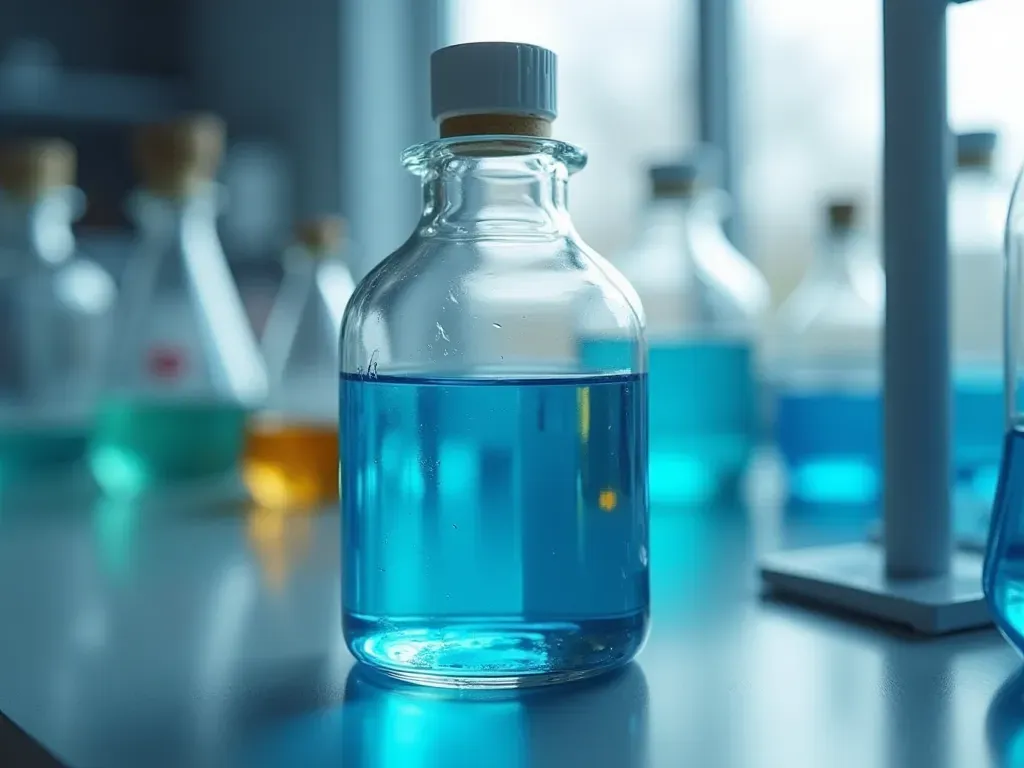
You're holding your coffee cup in your right hand. Feels natural, right? Now look at the caffeine molecule swimming inside that liquid. It has a mirror-image twin. And yet life only ever keeps one version.
That's not a small detail. It's the fundamental code of biological existence. Amino acids are left-handed. Sugars are right-handed. Swap them, and life stops working.
Chemists have asked why for over a century. Why did nature pick one side? The answer just won the Nobel Prize in Chemistry.
Henri Kagan and Kenso Soai cracked the code. Their work explains how homochirality emerges from chaos. It's a breakthrough that changes everything we know about drug synthesis.
The Linear Trap That Kept Chemists Stuck
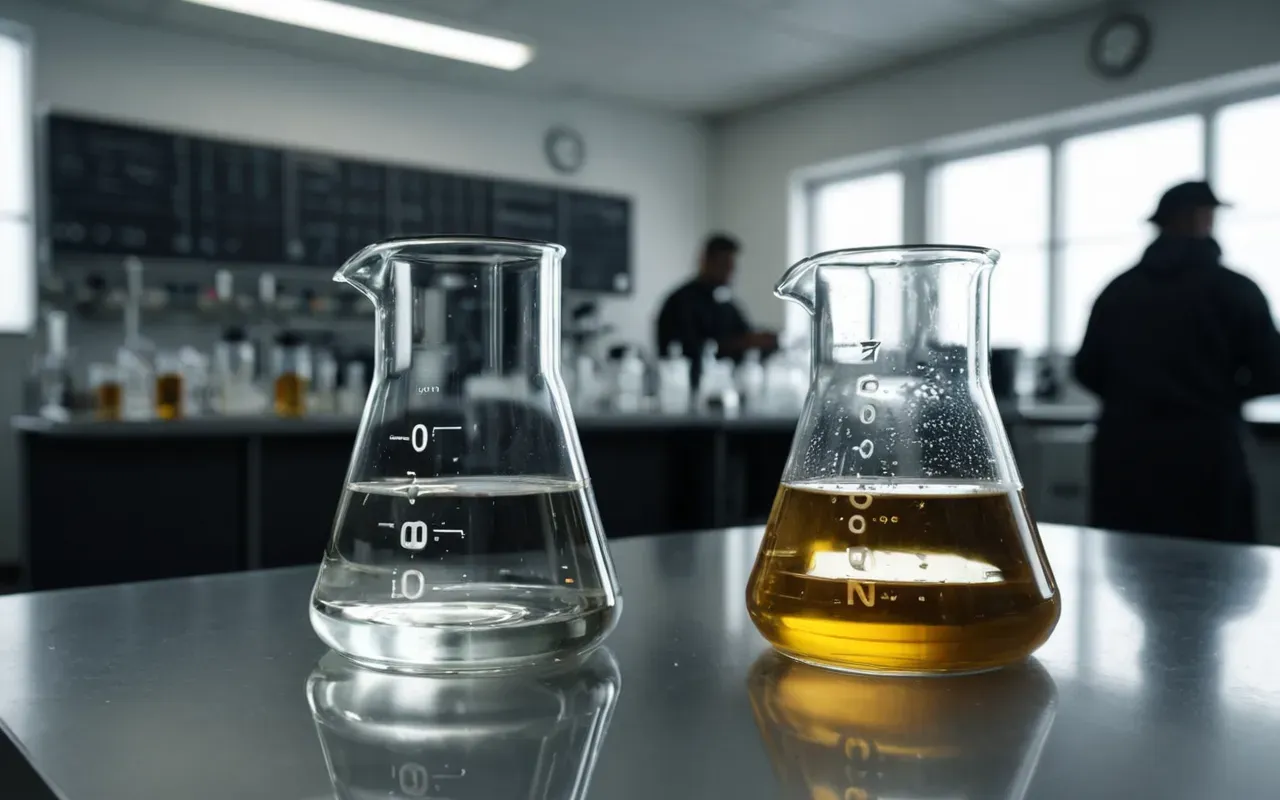
Back in the mid-s, most chemists believed in a linear relationship. Mix left and right catalysts equally, get equal products. Seemed logical.
Henri Kagan disagreed. He ran experiments at Université Paris-Sud and found something strange. The relationship wasn't linear. It curved.
Which meant a tiny excess of one hand could amplify itself. A small imbalance in the catalyst created a massive imbalance in the product.
I was struck by how counterintuitive this is. Most chemical reactions follow predictable ratios. Kagan found a loophole in the rules.
The Reaction That Builds Itself
Kenso Soai took Kagan's idea further. He looked for a molecule that could catalyze its own creation. That's called autocatalysis.
In , Soai published a paper that stunned the field. He created a reaction where an enantiomer made copies of itself.
First time humans generated chirality from scratch in a lab. It mimicked what likely happened four billion years ago on Earth.
Peter Somfai called it the coolest experiment in organic chemistry. And honestly? I agree. It's elegant and simple.
Why Your Medicine Depends on Handedness
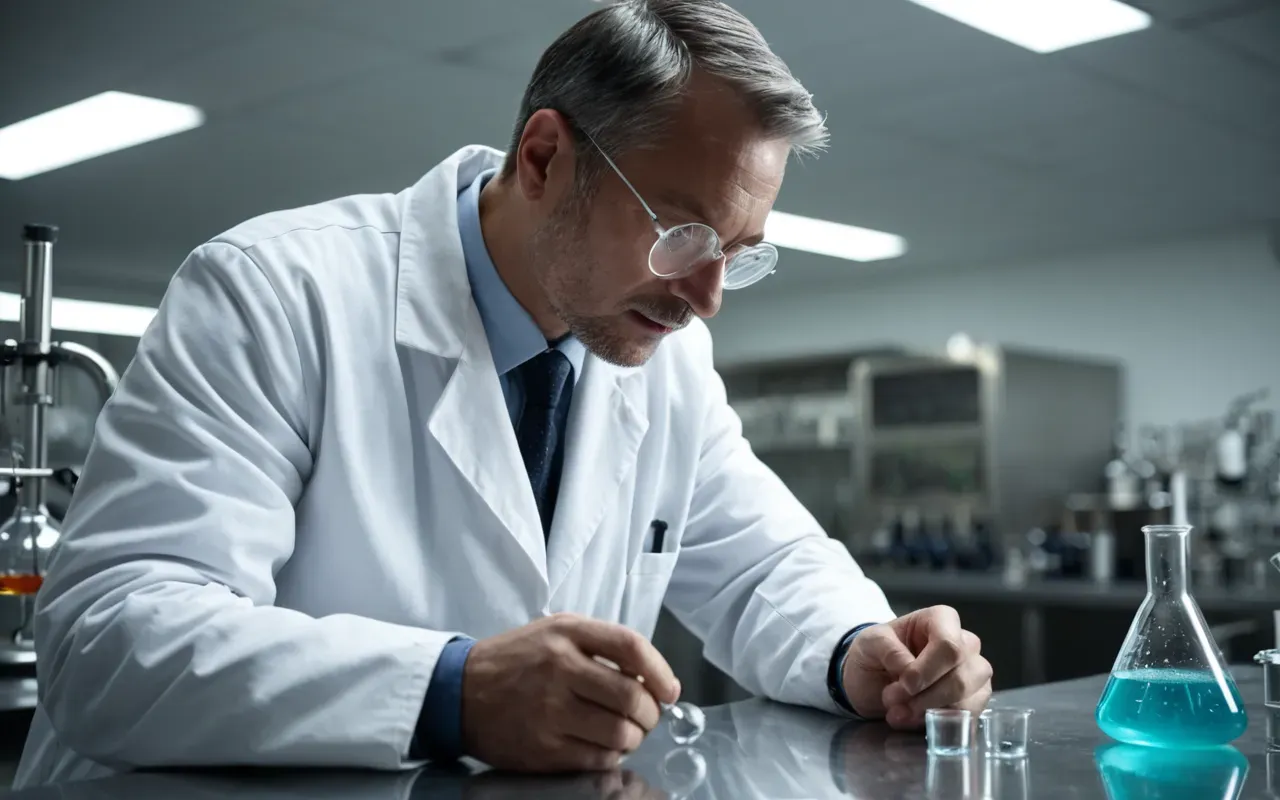
Most drugs are chiral. Only one version works for you. The other might be useless or toxic.
Consider the painkiller thalidomide. One hand eased nausea. The other caused birth defects. That tragedy drove strict regulations.
Kagan and Soai's work gives chemists tools to make the good hand selectively. Less waste, more safety.
For researchers in the Netherlands, this is huge. Local pharma companies can now optimize production lines with greater precision.
The Industrial Impact You Will Feel Soon
Manufacturing chiral drugs is expensive. Waste removal costs millions per year.
With nonlinear effects and autocatalysis, factories can produce pure enantiomers in one step. That cuts costs dramatically.
I expect to see faster development of new therapies in the next five years. The science is finally catching up.
The Backstory They Skipped in the Announcement
Soai was shopping near his home in Hiroshima when he got the call. He described it as a surreal moment.
Kagan had been working on this for decades. He published three key papers in the late s.
The committee waited years to award this. It's a reminder that basic science often takes time to be recognized.
If you're a student reading this, take note. Fundamental questions lead to Nobel prizes.
What This Means for Future Health Research
This discovery opens doors to new types of materials. Think smart polymers that respond to biological signals.
Researchers can now design molecules with specific chiral properties for targeted delivery systems.
The Dutch scientific community stands to gain significantly. Local universities are leaders in polymer science.
We might see new treatments for neurological disorders within a decade. The foundation is set.
A Personal Note on the Power of Questions
I often tell my students to ask why before asking how. Kagan and Soai did exactly that.
They asked why life is homochiral. And they found the answer in a test tube.
This is what real science looks like. Not just data. Deep understanding.
If you want to see how such fundamental questions drive innovation, check out this analysis on how chemistry textbooks are losing their grip on reality.
The Road Ahead for Organic Chemistry
We're just getting started. New reactions will emerge from this work.
Collaborations between France and Japan are already producing new papers. The pace is accelerating.
Keep an eye on the journals. You'll see these names everywhere in the next few years.
The mystery of handedness is solved. But new mysteries are waiting to be uncovered.
Comments ()