Unlocking the Potential of Natural Products in Advancing Health Science in the Netherlands
The Role of Natural Products in Contemporary Health Research in the Netherlands
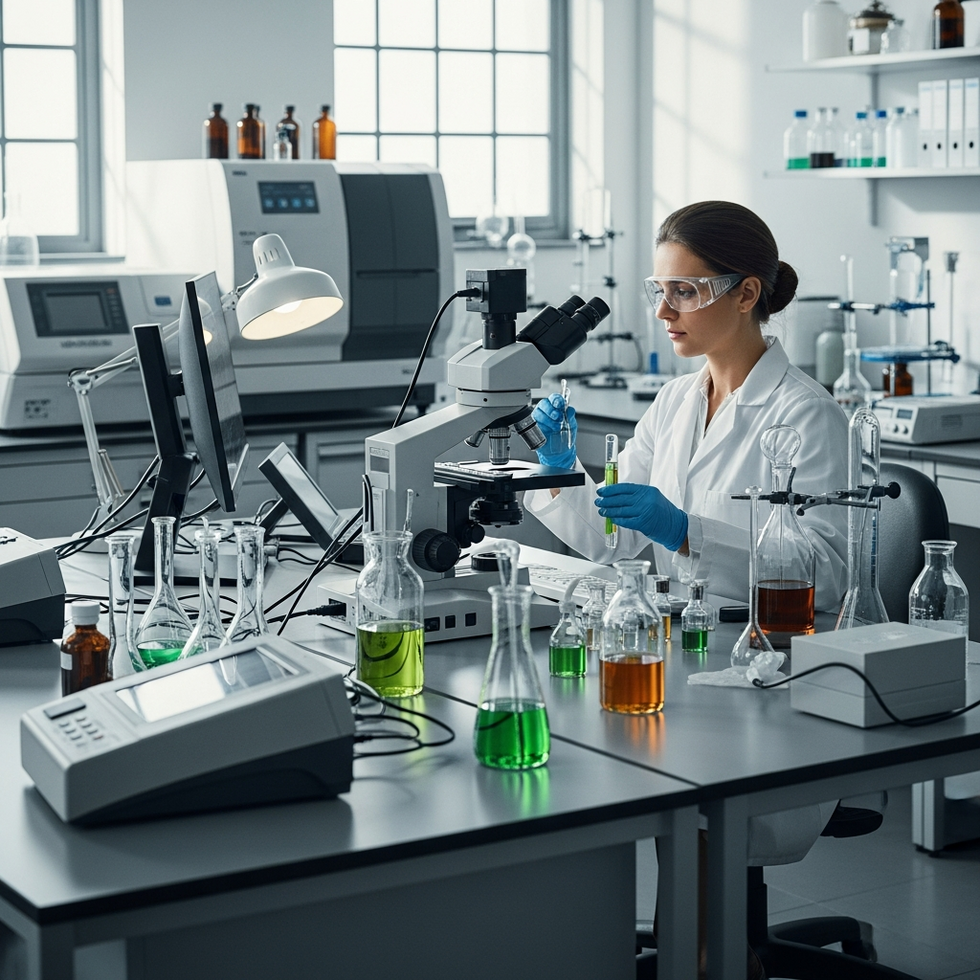
Lately, curiosity about what nature offers has grown fast - especially how it might change health treatments for the better. When looking at what researchers in the Netherlands are doing, one thing stands out: compounds pulled from sea life, mushrooms, and greenery grab more attention each year. Fuel behind this shift? A push toward answers that avoid heavy manufacturing and lab-made drugs. Instead, people search for ways that work without destroying the environment. In the Netherlands, scientists use modern methods in organic chemistry to extract useful plant and sea materials, helping reveal how these substances work inside the body. Not just limited to shielding cells from damage or reducing swelling, these compounds now show a wider range of effects, opening doors to tailored treatments that harm nature less. Bringing old remedies into regular healthcare means proving every claim carefully, something research centers there tackle by combining lab basics like structure tests with living system studies and genetic tools. Their goal? To blend age-old understanding with today’s most advanced tools, making safer, smarter medicine grow from real-world observations.
Emerging Trends in Organic Chemistry and Polymer Applications for Health Innovations
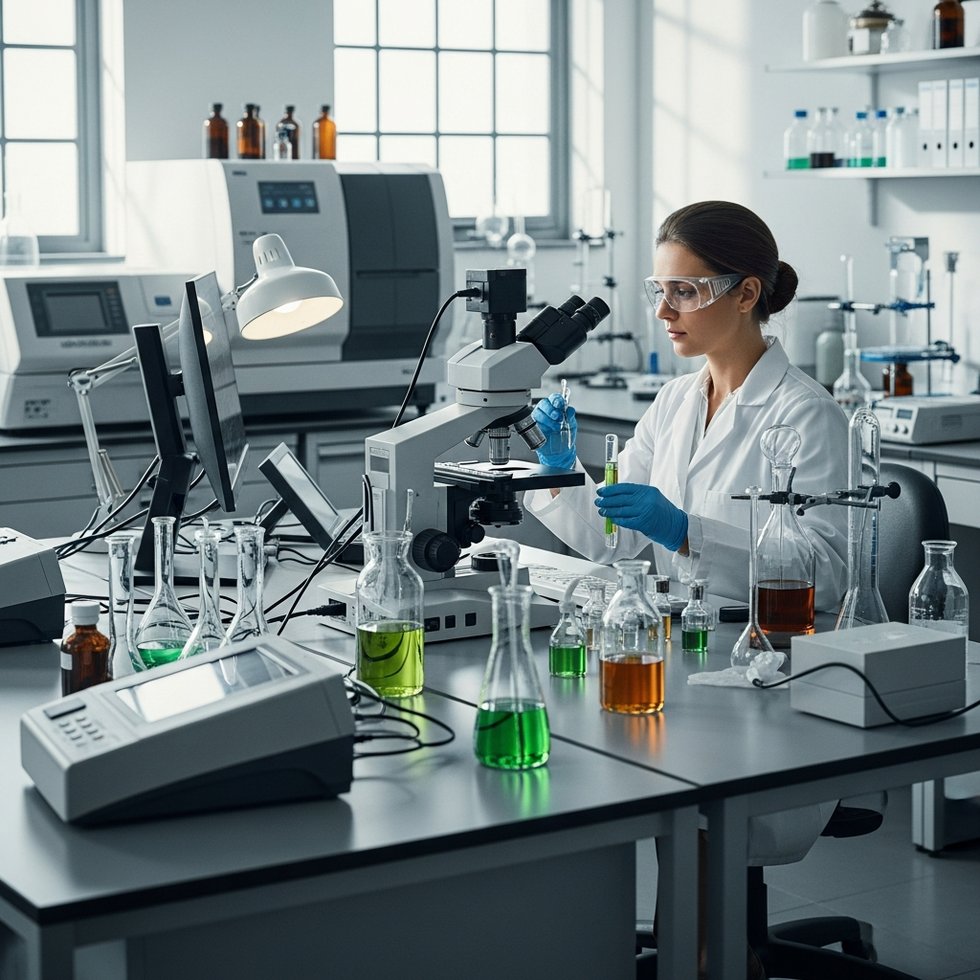
Ahead of most medical studies, organic chemistry now focuses heavily on better ways to deliver drugs. From labs across the Netherlands comes progress - scientists shape natural polymers to hold plant-derived active ingredients. These carriers help protect the molecules during transport while ensuring they reach the right places inside the body. Because they’re derived from living organisms, these materials tend to break down safely over time. Their role grows stronger when researchers craft forms that release their contents precisely where needed. Effectiveness improves without increasing harm to ecosystems or human health. Looking into natural source-based polymers that break down easily, scientists see less trash piling up in medicine. These materials matter when it comes to delivering drugs, yet pop up too in implants and scaffolds for growing tissue. Getting them right means matching body reactions with how fast they vanish. Teamwork between chemical experts, engineers of living systems, and builders of materials helps move early findings toward real-world use. That shift hints at cleaner, fresher ways to handle health challenges soon enough.
Latest Breakthroughs and Practical Implications for Dutch Health Sciences
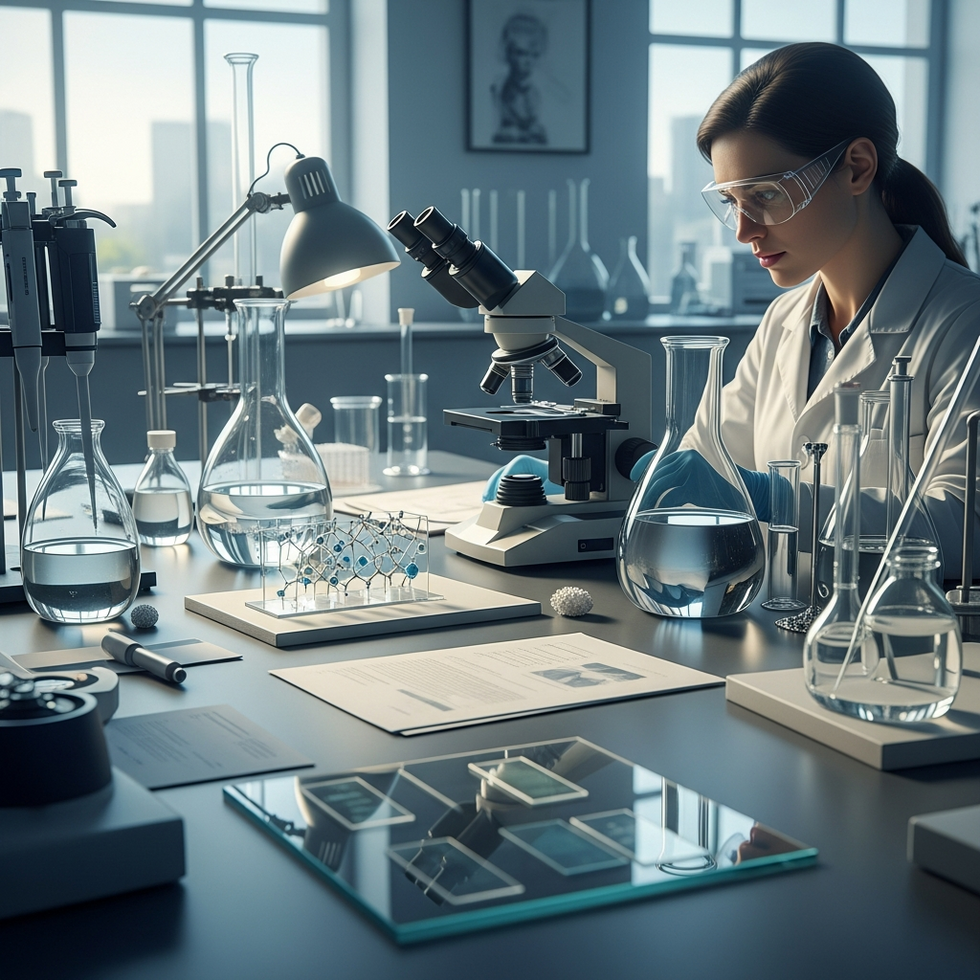
A fresh wave of studies shows how blending real-world plant extracts with modern material science can lead to new ways to support health. Take one team working in Dutch labs - they pulled powerful antioxidants from local healing herbs, then slipped them into plastic-like carriers that deliver better results without fading fast. Because these methods draw on local sources, they fit neatly within the country’s push for greener, smarter answers that don’t drain the pocket or harm nature. What emerges isn’t flashy - but quietly effective, built on repetition, care, and observation rather than flashy claims. Looking into genes and enzymes shows how plant-derived substances shape body functions on a tiny scale, opening doors for tailored treatments. Because they track wider studies like these, researchers and makers across the Netherlands adjust their work accordingly - creating products that care for people and nature more thoughtfully. Backed by public funding that links labs making natural medicines with chemists and material experts, progress moves faster here, bringing real wellness gains while standing out worldwide in health creation.

Comments ()