The Challenge of Reforming US Healthcare Amid Rising Costs and Societal Discontent

More people in the U.S. are struggling as healthcare expenses keep rising. Jeff King saw it firsthand when a sudden heart procedure left him with a bill for 160,000 dollars. That number shrunk to 90,000 after long, tense talks. Moments like these show how often shockingly high medical charges appear. About 100 million adults live under the constant threat of such bills, sometimes leading straight to debt trouble or even financial collapse. Spending far beyond neighboring wealthy countries - almost double the average per person - the United States fails to match its spending with results. Life expectancy trails behind, along with broader measures of wellness. What stands out is how little return comes from such heavy investment. Hidden costs, wasteful patterns, and unclear pricing habits dominate the scene. People such as King and Stacy Cox face constant worry about covering medical needs without financial collapse. Rising bills only deepen that unease. Many now believe the whole setup runs on gains, not care.
The Growing Financial Burden of Healthcare for Americans

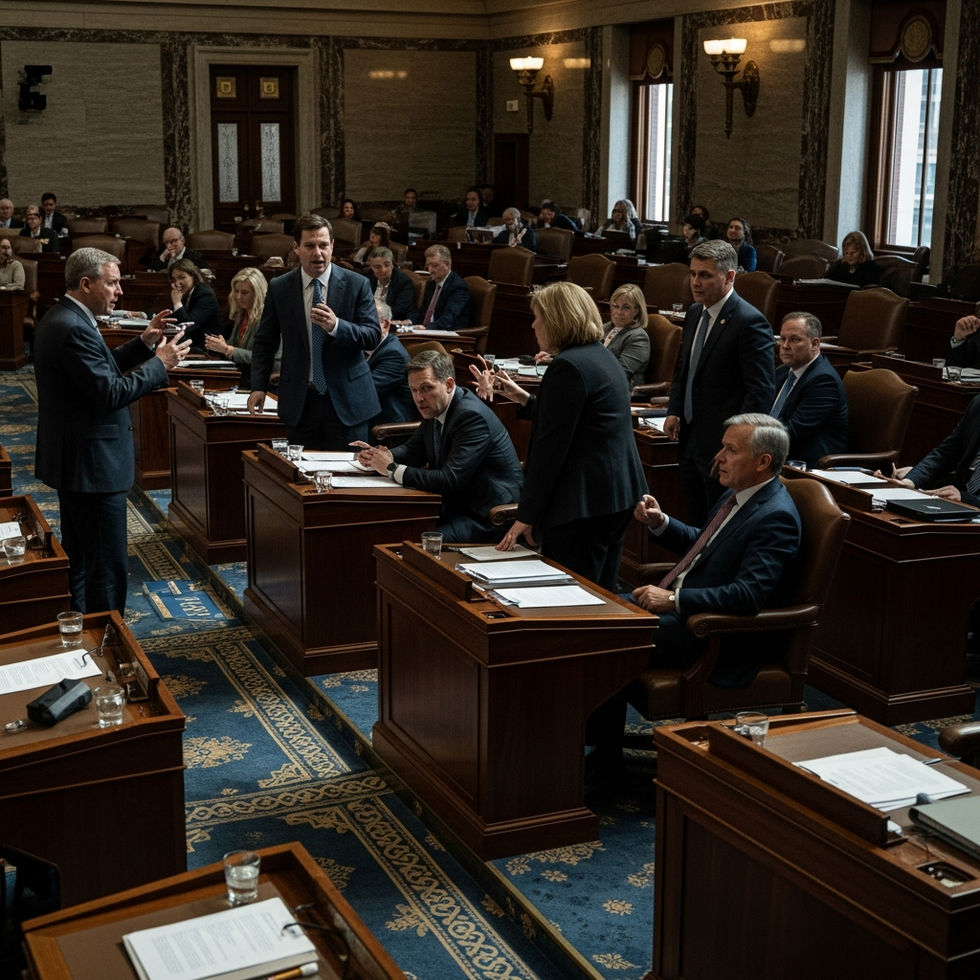
Even though many agree the U.S. healthcare system needs urgent fixes, little has shifted due to frozen politics and clashing priorities. Over years, leaders from both Democratic and Republican camps have acknowledged problems like tangled bureaucracy, steep costs, and unequal reach - still, deep divides over what to do block real reform. Still, different White House teams keep trying to make sense of it all, offering ideas from broader public plans to free-market style tweaks. Folks keep hearing about big plans - like what Trump called his "Great Healthcare Plan" - that promise fewer brokers and more oversight to lower bills. Yet few know how much it might really cost or even work. At the same time, lawmakers across party lines once agreed to restore health insurance price supports under the Affordable Care Act. Those moves stalled, proof that splitting votes on issues runs too deep. Now millions wait, hoping change arrives before frustration grows. But one question lingers: when politics finally lines up - if ever - to mend a broken setup most rely on.
Political and Systemic Barriers to Effective Healthcare Reform
What sits at the heart of America's struggle with healthcare is an insurance setup built mostly around private models, often leaving people exposed and unsure. Held tight by market forces, corporations that sell care make heavy returns - some returns now hit three times their earlier levels across twenty years - while investors collect more than $2.6 trillion in rewards. Detractors say chasing earnings pushed costs upward fast, squeezing households such as Cox and Short, where decisions grow harsh: skip vital check-ups or hold off on prescribed medicine. Not everyone trusts market-focused methods, especially those who want fewer state controls. Yet proof of their real impact is hard to find. Take Harvard’s John McDonough; he points out the current setup is tangled, split into too many parts, running on repeat cycles of inefficiency. On top of that, red tape blocks people from needed services, making things worse. What comes next? Talk keeps circulating about setting limits on competition, pushing lower medication costs, improving how health care reaches patients - all with the goal of cutting expenses. Still, powerful players within long-standing industries resist change.
The Role of Private Insurers and Market-Driven Solutions

Even as health rules keep shifting, everyday people find new ways to handle their care. Stacy Cox chose not to buy full coverage, settling just for urgent needs - a move mirroring what others do when price spikes and tighter aid push them away. Since pandemic-era help faded, new costs popped up for countless families relying on income-linked payments. Those extra charges hit hard once support ran short. Because of this, plenty now avoid regular checkups or delay treatment, unaware how much harm can come later. Take Cox - her chance at catching breast issues sooner pushes her toward avoiding tests such as mammograms, even if they find trouble early. What shows up here mirrors a deeper split: what medicine demands versus what people can pay for, hitting harder on those already struggling. When policies like public options or lower fees try to help, they sometimes get blocked by strong resistance in government circles. That leaves a number of people struggling, sensing their situation worsens without real support.
Experiences of Ordinary Americans Moving Toward Self-Protection and Risk

Even as Washington and state capitals lag behind on deep changes, groups like **Undue Medical Debt** step in - clearing billions in hospital debt for people worn down by rising costs. From the ground up, aid arrives where it's needed most; yet such patchwork help cannot fix what broader flaws keep feeding into. Real progress demands more than scattered rescues. People like Jeff King find relief in charity aid now and then, yet the core issue lingers - healthcare stacks costs before healing bodies. Arguments rage on in Capitol halls and local offices, still, many believe broad, shared-solution fixes must replace today’s fractured setup to put recovery above earnings. When change stays incomplete, waves of sufferers keep seeing doctor charges loom larger than stability itself.



Comments ()