A teenager in Malta just got more research money than most PhDs do

The €700 That Changes Everything About How We Think of Early Research
Most people assume research is born in a university lab. A fluorescent-lit room, whiteboards smeared with equations, shelves lined with glass vials. That's the image movies feed us.
Malta just flipped that script. The Young Researchers' Grant 2026 hands teenagers and young adults up to €700 for genuine scientific work.
I read the details and felt a twinge of discomfort. Why does it feel radical to give a 16-year-old money for lab supplies?
Because we almost never do that. We wait until someone has a degree before we trust them with the tools of discovery.
Why This Breaks the Traditional Mold of Scientific Training
Look at the usual path. High school students memorize facts. Chemical formulas, dates of major discoveries, the names of famous scientists.
Then comes university. Two or three years of learning how other people ran experiments before they're allowed to run their own.
By the time a PhD student lands a personal grant, they're usually pushing thirty. Burnt out. Or simply bored.
The Malta scheme skips all of that. It puts a real question in the hands of someone who has never been told "no" by a funding committee.
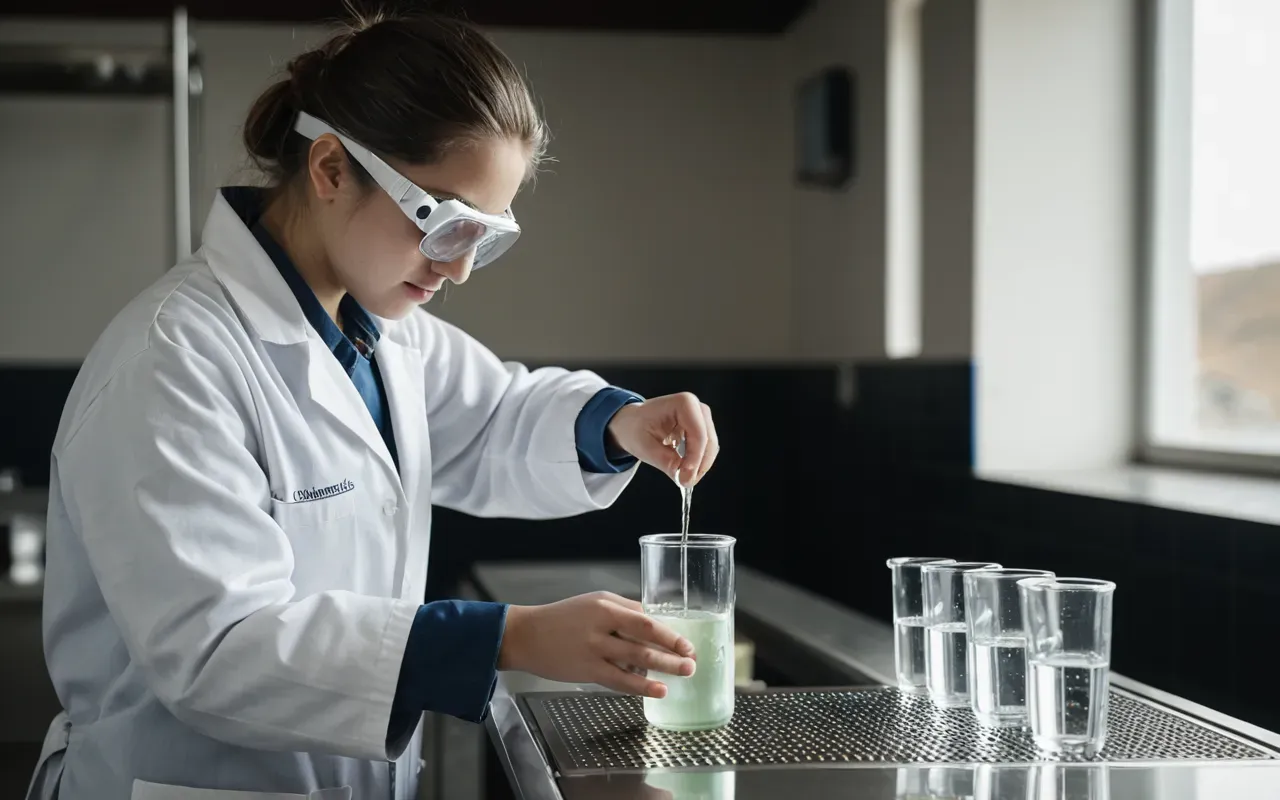
The Mentorship Model That Actually Works in Practice
Here's what genuinely surprised me. It's not just handing a teenager cash and hoping something sticks.
Every participant gets paired with a researcher or mentor. Actual professionals from the broader STEAM community.
Mentors are paid up to €1000 for their time. That detail matters, because it treats their expertise as valuable.
So you have a curious student with a budget. And an experienced scientist with a real incentive to guide them properly.
How This Compares to Standard Academic Support Structures
In most universities, undergraduate research feels like a favor. A professor might squeeze you in if there's spare bench space.
There's rarely a dedicated budget for your specific project. You're using leftover chemicals, doing the low-risk grunt work.
With this grant, the project is genuinely theirs. They pick the question. They manage the €700 for materials and travel.
That ownership changes everything. It turns a student into someone who owns knowledge, rather than just receives it.

The Implication Nobody Is Talking About in Health Science
Let's be honest. The biggest bottleneck in health research isn't a shortage of brilliant ideas.
It's the sheer number of people who never get to test those ideas because they can't afford basic tools.
If you're curious about how budget constraints shape lab work, this story is a direct counter-example.
Why Early Exposure to Health Research Matters More Than Degrees
Take natural products research. It's complex, demanding a solid grasp of chemistry.
Most students only enter that field at university. By then, their ideas about what science is are already fixed.
A teenager who spent a year running a marine biology project sees the world differently.
They know data is messy. They've watched a hypothesis collapse in week three and learned to pivot.
That resilience is exactly what we need in the next generation of health scientists. Not just knowledge, but grit.

Who Wins When We Fund the Curious Instead of the Credentialed
On the surface, this looks like a small local initiative. A nice program run by Esplora in Malta.
But the implications are global. If other countries copy this model, we could see a seismic shift in who gets to do science.
The Economic Argument for Early Scientific Investment
Think about the cost of training a researcher. It's enormous. Years of tuition, living expenses, lost wages.
Now think about the cost of a €700 grant. Negligible for most governments, life-changing for one student.
If even a small fraction of these young researchers later crack major problems in health or technology, the return is massive.
We're effectively buying a long-term option on future innovation for the price of a few espresso machine repairs.
What This Means for Students in the Netherlands and Beyond
The Dutch scientific community is already strong. World-class universities, top-tier research institutes.
But do we have a system that catches a curious mind before grade averages filter it out?
If you're a student or a mentor in the Netherlands, this Malta example is worth watching closely.
It proves you don't need a massive budget to change the trajectory of a young mind.
Practical Steps for Researchers Looking to Support Young Talent
You don't have to wait for a government grant. You can offer your own time and space.
Open your lab to a local high school group. Let them run one small experiment under supervision.
The cost is low. The effect on their confidence and curiosity? Profound.
We keep seeing the same names in leadership. The Malta grant just might break that cycle.
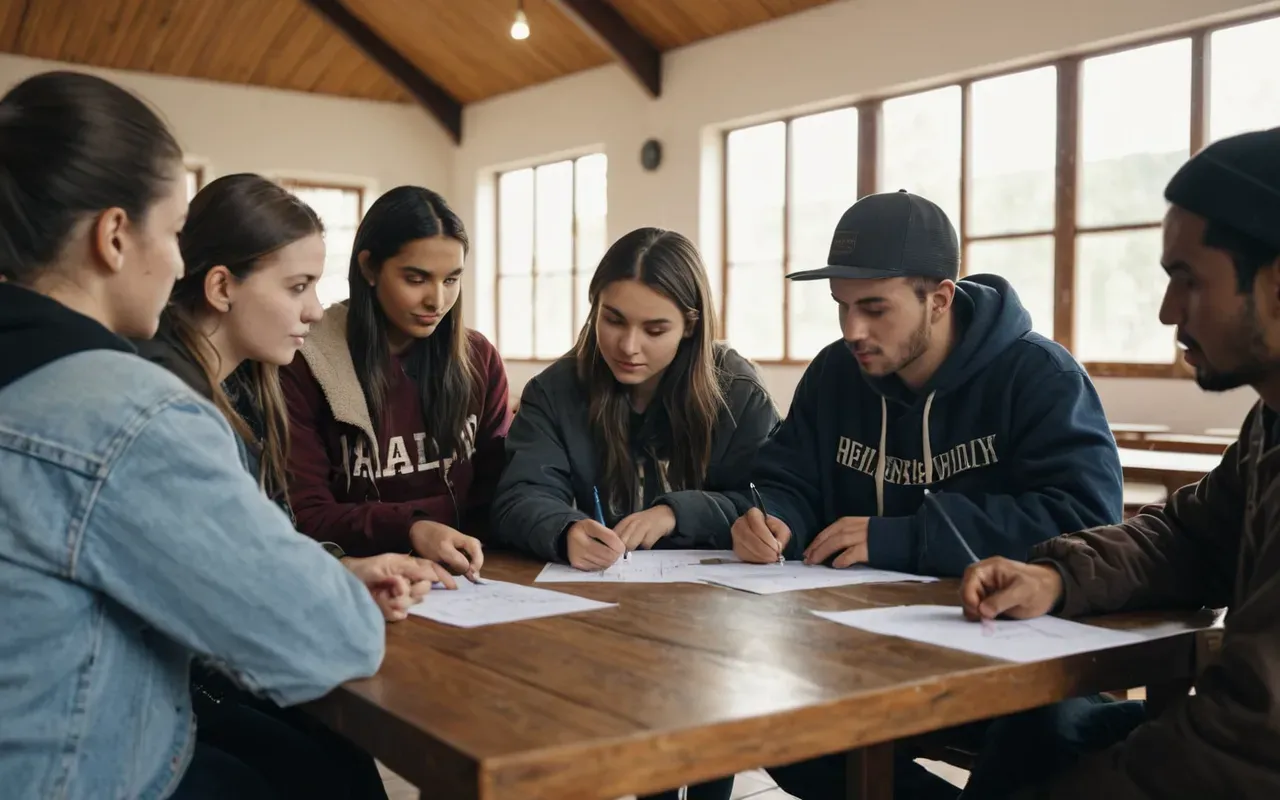
The Final Verdict on This Bold Experiment in Youth Science
Is it perfect? No. There are legitimate questions about oversight and the quality of some proposed projects.
But the core idea is right. Give people tools, and they will build things.
In health science specifically, we need fresh eyes. People who ask "why" before they're taught the official answer.
The Malta Young Researchers' Grant is a small step. But it points to a future where curiosity is funded before credentials.
And honestly, that's the kind of future I want to see more of.


Comments ()