Is scientific research just a very expensive guessing game
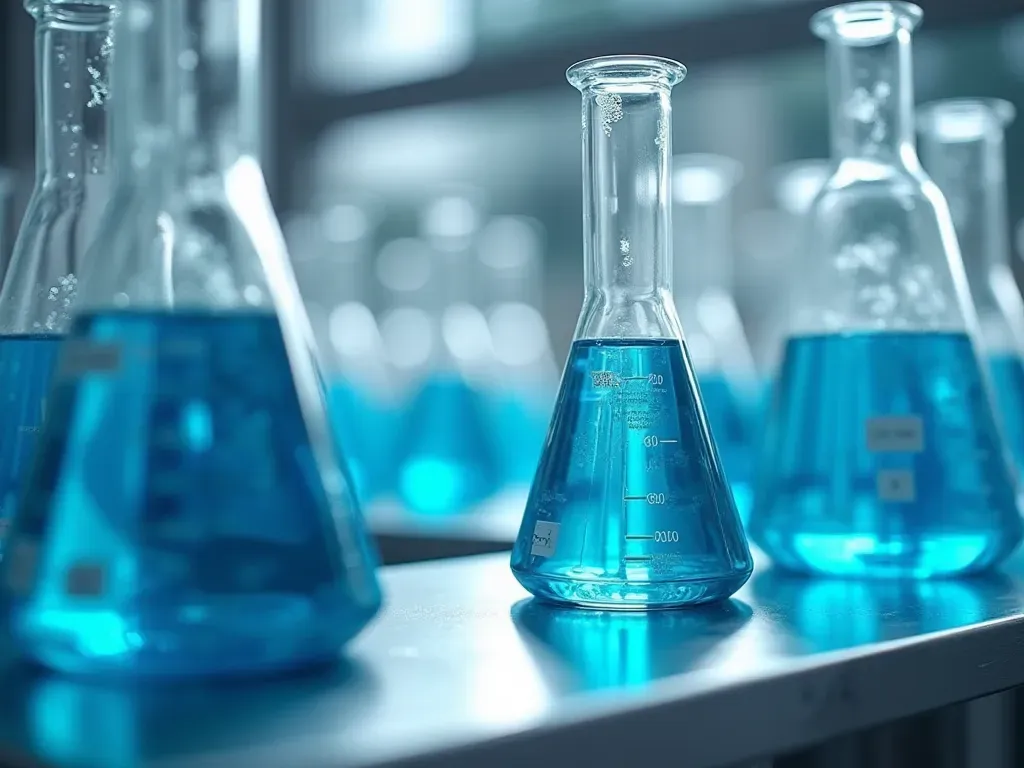
The definition in your textbook is lying to you
Open any introductory chemistry book. It will tell you research means systematic investigation. Technically correct. And completely useless to anyone who actually works at a bench.
I have spent years in polymer labs. The real work is not about following a recipe. It is about surviving the chaos of molecular interactions that refuse to behave.
Look. Most people think discovery is a lightbulb moment. It is not. It is usually a slow burn of frustration where your data contradicts the theory on page four.
This is why a simple query about meaning fails to capture the reality. The gap between theory and practice is where careers are made or broken.
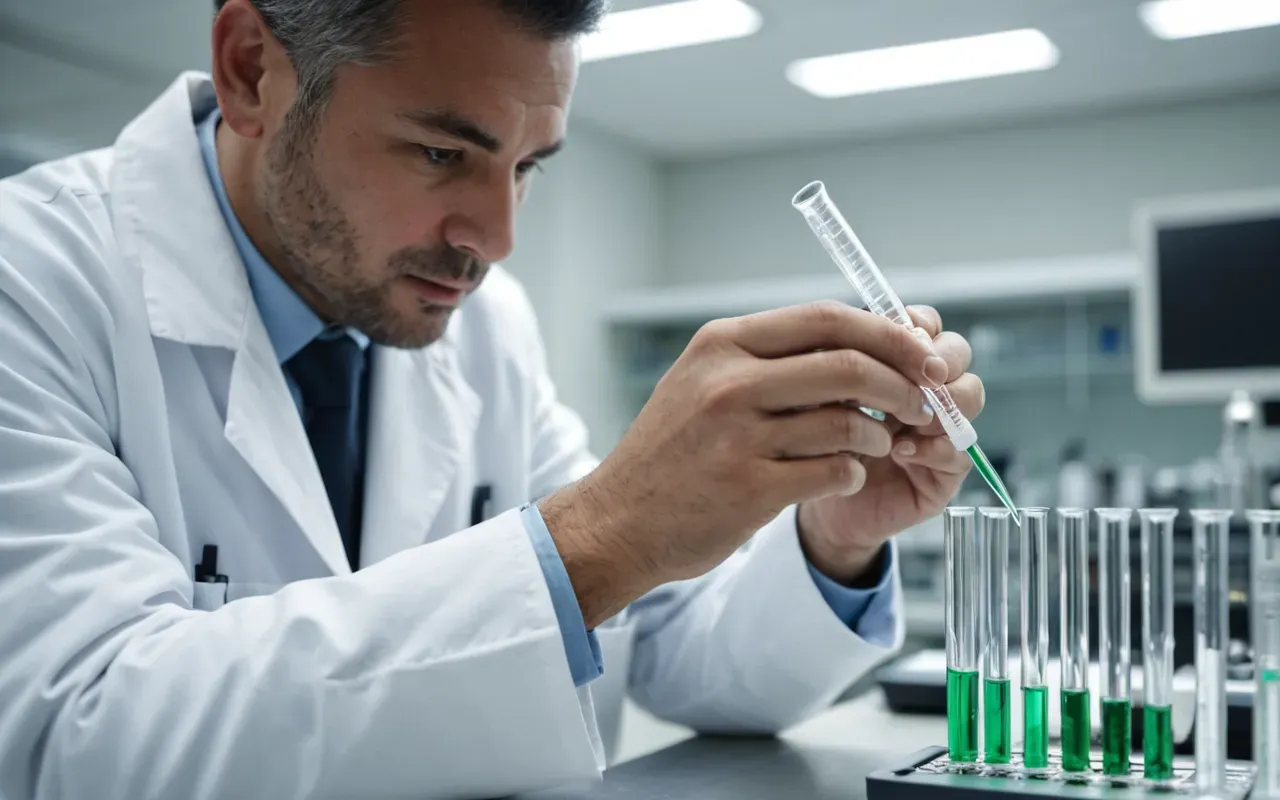
Why polymer science is a unique beast in health research
Polymers are long chains of repeating units. Sounds simple on a whiteboard. In the reactor vessel they can be nightmares.
A slight change in temperature or humidity shifts the molecular weight distribution. Your drug delivery vehicle might degrade too fast. Or it might never release its cargo.
This unpredictability is the core of the research problem. We are not just measuring properties. We are trying to control chaotic systems.
In health applications this is critical. A polymer that works in a mouse model might fail in human tissue because of subtle structural differences.
The hidden cost of assuming you understand the data
I once watched a colleague celebrate a successful synthesis. The yield was high. The purity looked perfect on the screen.
Then we ran the thermal analysis. The material collapsed at degrees Celsius. It was useless for any medical device.
This is the trap of superficial definitions. We think we are finding truth. Often we are just collecting noise that looks like a signal.
If you have ever stared at a graph and wondered why the trend line is flat when it should be spiking, this feeling is universal.
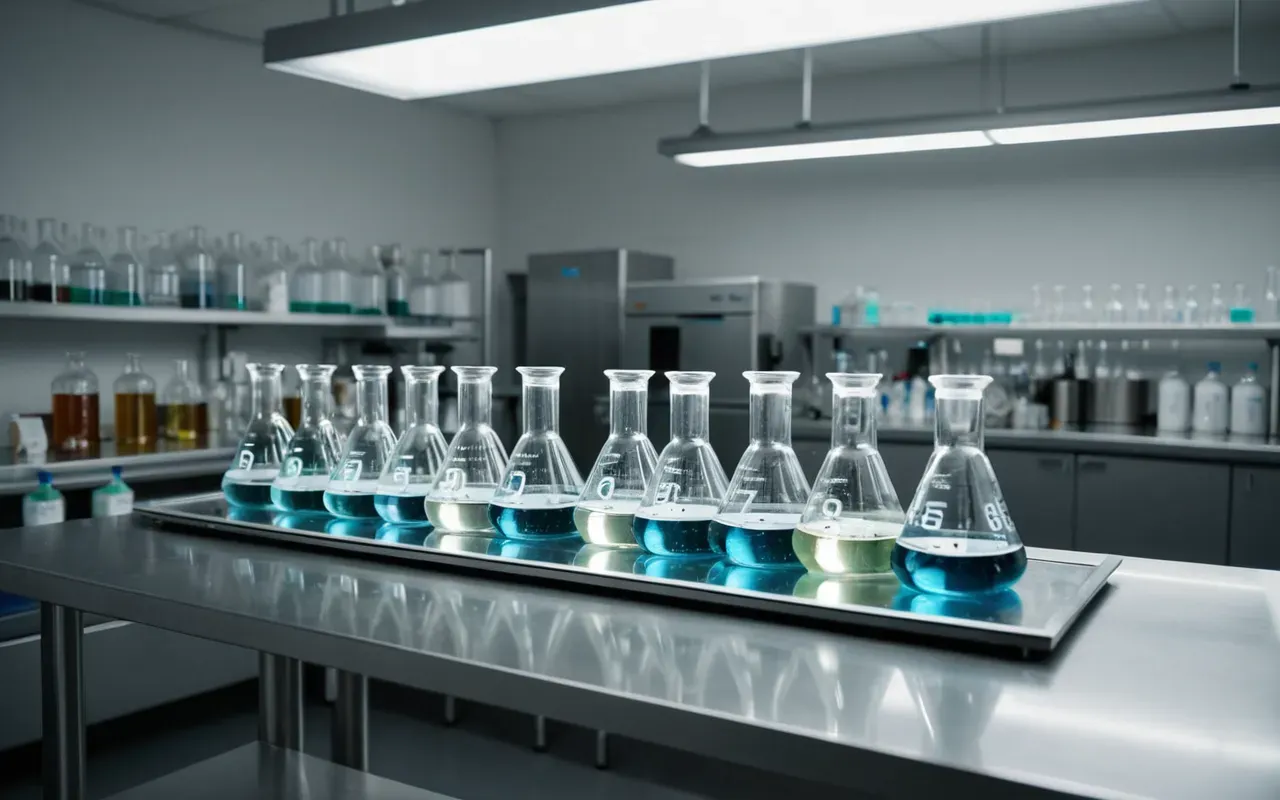
How natural products complicate the organic chemistry picture
Natural molecules are messy. They have multiple chiral centers and functional groups that fight each other.
Synthesizing a single enantiomer from a plant extract is like trying to pick one specific grain of sand on a beach.
This is where the meaning of rigorous inquiry becomes clear. It is not about having the right answer. It is about eliminating every wrong one.
We spend weeks optimizing reaction conditions. A change of one catalyst can shift the entire product profile overnight.
The role of reproducibility in modern labs
Reproducibility is the holy grail. If your neighbor cannot repeat your result using the same protocol and equipment, it did not happen.
This sounds harsh. But in health science a lack of reproducibility can lead to failed trials and wasted millions.
We document everything. Not just the happy results but the failures too. That is where the real learning happens.
I keep a journal of dead ends. It is often more valuable than my list of successes when starting a new project.
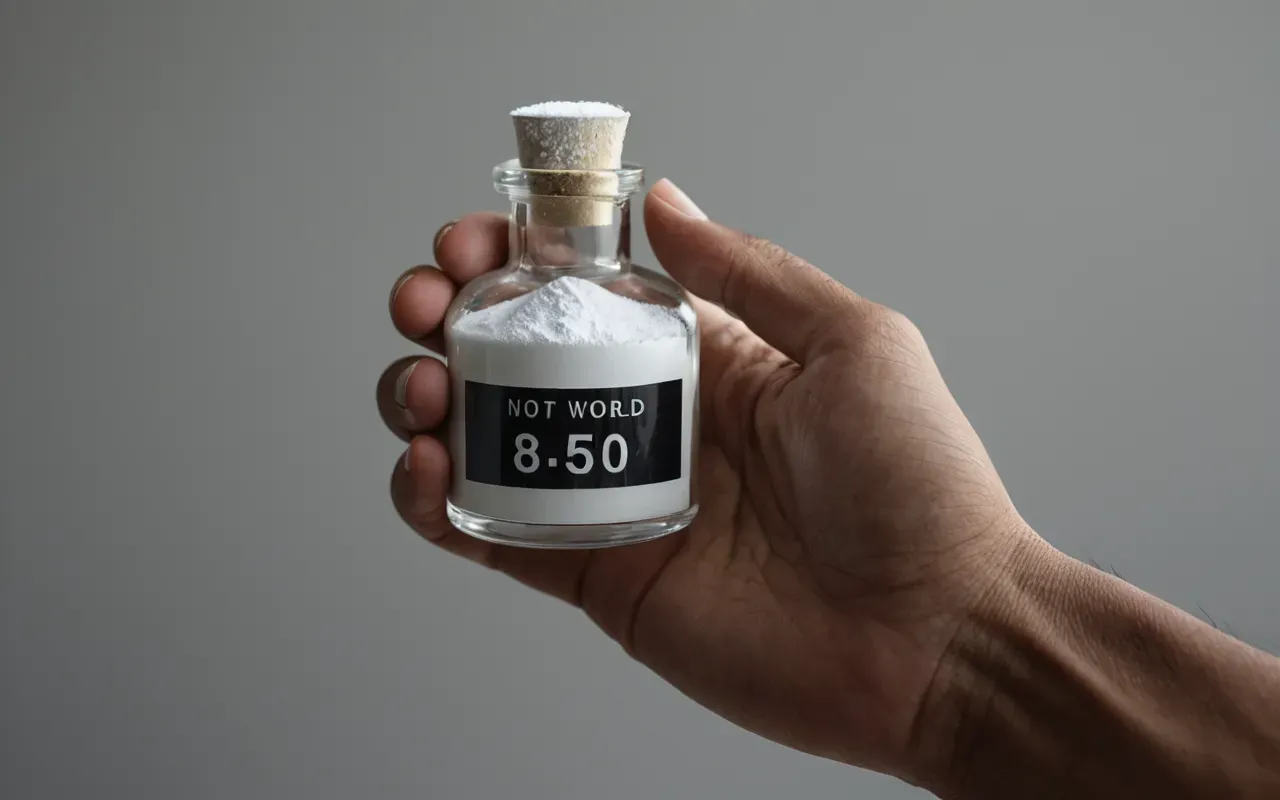
What researchers actually do during a standard week
Forget the dramatic eureka moments. Most days are spent cleaning glassware and waiting for machines to finish their cycles.
But that is where the science lives. In the details of pipetting and calibration and temperature control.
A researcher is not a wizard. They are an engineer of molecules who respects the limits of their tools.
When you ask what research means to them they will tell you it is a dialogue with nature. And nature rarely talks back politely.
The gap between academic theory and industrial reality
In university we chase novelty. In industry we chase viability. This creates a disconnect that frustrates both sides.
A brilliant polymer that is too expensive to scale up is a scientific curiosity not a product.
This is why understanding the true meaning of research requires looking at economics as much as chemistry.
If you are a student entering this field keep that balance in mind. Passion is fuel but pragmatism is the engine.

Frequently Asked Questions
What is the primary difference between scientific research and routine testing?
Scientific research seeks to expand knowledge by asking new questions. Routine testing verifies known standards against existing benchmarks.
How long does it take to publish a peer-reviewed paper on polymers?
The process typically takes six to twelve months. This includes experimental work peer review revisions and editorial approval.
Why is reproducibility so difficult in organic chemistry labs?
Minor variations in reagent purity solvent moisture or temperature can shift reaction pathways. These small factors compound over time.
Comments ()