Is scientific research actually just a very expensive guessing game
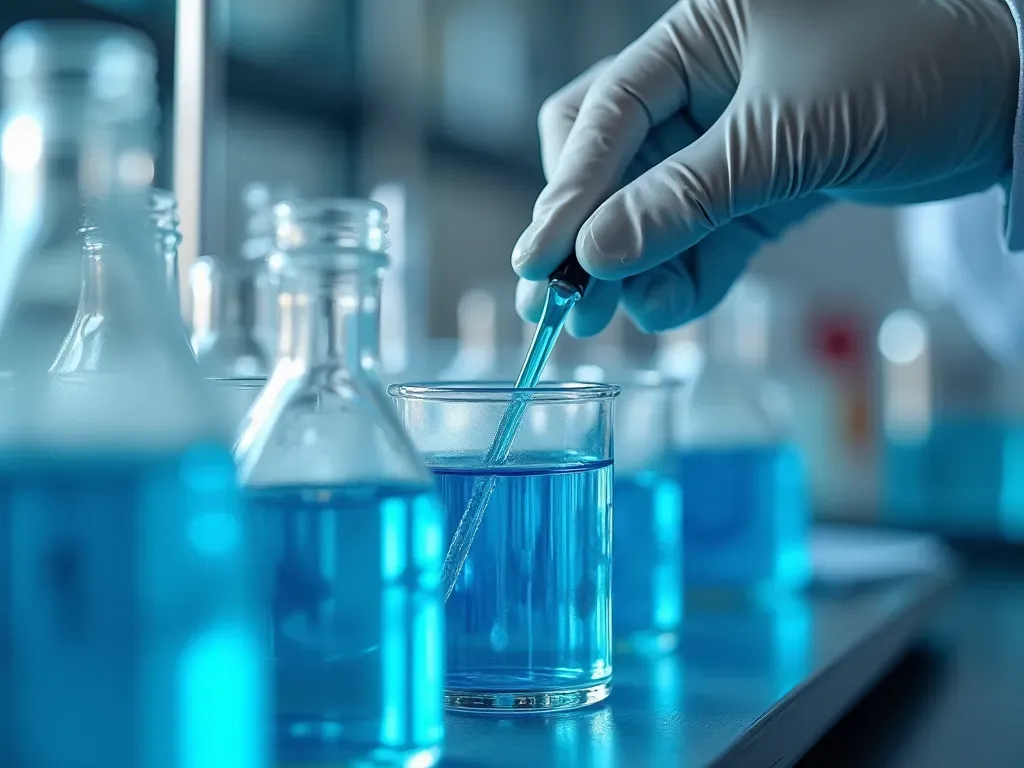
The % problem nobody talks about at conferences
I've sat in enough faculty seminars to know the exact moment a room goes quiet. It isn't when someone presents data confirming their hypothesis. It's when an audience member asks, "But did you run it twice?" That one question cracks open the whole architecture of modern health research — and most people outside academia never see how fragile those foundations really are.
Here's a number that should make your stomach drop. Roughly % of findings from animal studies fail to translate into human clinical trials, according to estimates published in The Lancet and echoed by the National Institutes on Aging over the past decade.
And yet, walk through any major university campus during exam season or grant deadline week and you'll see posters celebrating breakthroughs. You'll hear phrases like "novel therapeutic target" and "promising in preclinical models." The gap between those two realities is where the entire funding conversation gets quietly rewritten.
I'm not being cynical. I've spent years reading papers on natural products and polymer-based drug delivery systems, and I know how much genuine discovery is buried under layers of statistical noise, sample-size shortcuts, and publication bias toward positive results.
What does the word researcher actually mean in practice
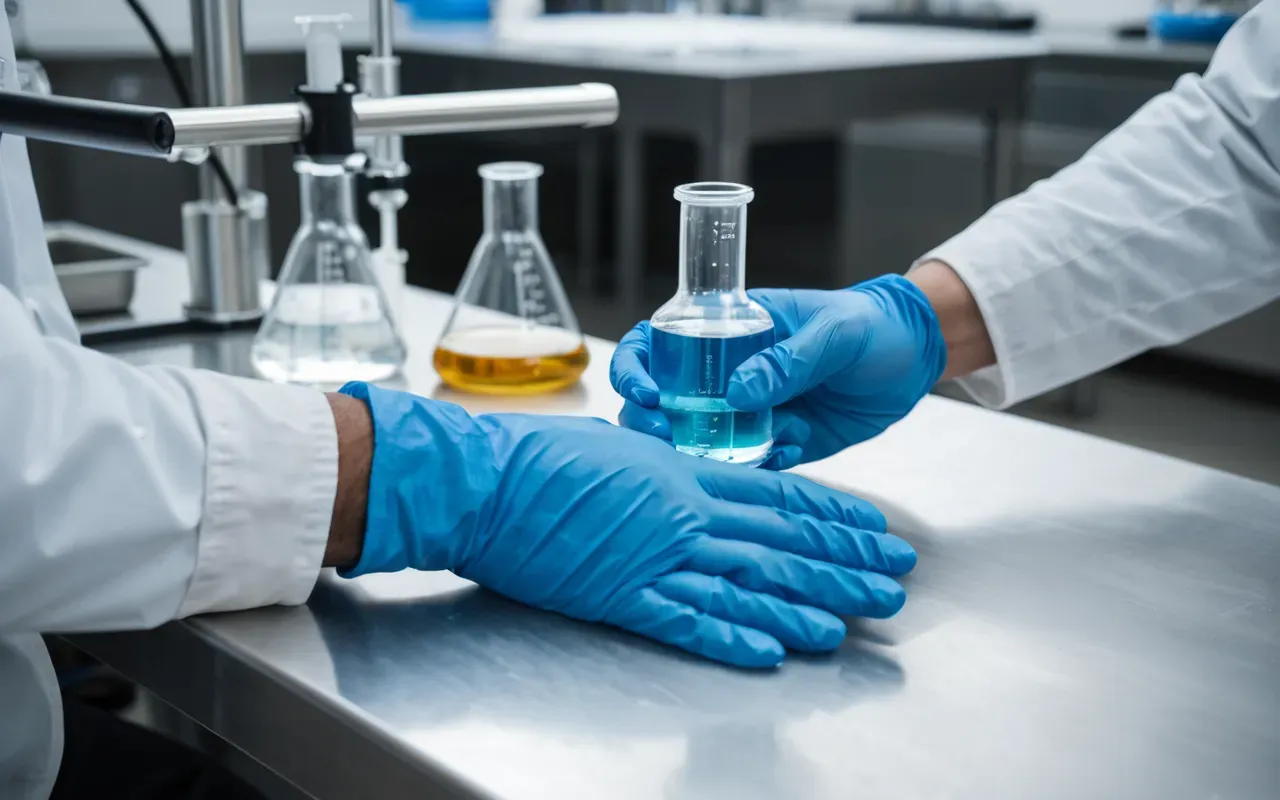
Strip away the prestige, and a scientific researcher is, on any given Tuesday morning, running pipettes. Calibrating instruments. Writing code that parses messy assay data. Troubleshooting a polymer synthesis reaction that has failed for the third week in a row.
They're also on Zoom calls with collaborators three time zones away. Filling out ethics committee forms. Writing grant applications where every sentence is optimized to match what reviewers want to read rather than what the science actually demands.
I asked a postdoctoral researcher in organic chemistry at a European university how many hours per week she spends on "real" research versus administrative tasks. Her honest answer: about percent science, the rest paperwork and meetings.
That ratio has implications far beyond one lab bench. When you understand that a significant chunk of highly trained minds is consumed by compliance forms rather than hypothesis testing, it becomes much easier to see why the pipeline from discovery to patient benefit moves so slowly.
The hidden architecture behind every published paper
A peer-reviewed article in a high-impact journal looks like the end of a story. It's actually the tip of an iceberg that started with months or years of failed experiments.
The paper you read was written by one person, approved by three reviewers who each spent maybe two hours on it, and published in a journal whose editorial board had no idea what the data actually showed. And that's not a criticism of any individual. It's just how the system works.
I've read enough methods sections to know that most journals don't require raw data deposition or independent replication before publication. The burden of proof sits heavily on the reader, who usually doesn't have access to the original files.
This isn't unique to health science. But in fields dealing with natural products and polymer formulations, where batch-to-batch variability can shift a compound's bioactivity by orders of magnitude, reproducibility becomes an even more urgent concern.
Why the Dutch model keeps getting overlooked in global debates
Europe is often dismissed as slow or bureaucratic when it comes to research output. That framing misses a critical point about how quality control works at scale.
The Netherlands has one of the highest per-capita research spending rates in Europe, with institutions like TNO and several university medical centers producing work that directly influences EU health policy. The system is smaller than America's but unusually integrated between academia, industry, and government.
That integration means a polymer chemist working on biodegradable drug carriers can move from lab to pilot manufacturing with fewer regulatory hurdles than someone in the US or Asia. For natural product researchers trying to isolate and validate bioactive molecules, that speed matters.
I've seen this play out with a group studying fungal secondary metabolites for anti-inflammatory applications. Their path from initial screen through formulation testing took under three years because the institutional infrastructure was already in place to support that specific workflow.
If you're curious about how funding decisions actually work behind closed doors, who decides if your research gets funded now is a useful read. The short answer involves more politics and less science than most people expect.
The Tuesday morning test for any health research claim
Next time you see a headline about a breakthrough in natural products or polymer medicine, ask yourself one question. What was the researcher doing at : on a Tuesday morning when this finding first appeared?
If the answer is "calibrating a mass spectrometer" or "writing an ethics amendment," that tells you something honest about where in the discovery pipeline we actually are. If it's "preparing a press release for pharma partners," take the enthusiasm with appropriate skepticism.
I'm not arguing against excitement or funding. I'm arguing that public discourse about scientific research needs to match the actual rhythm of how it gets done — slow, iterative, full of dead ends.
The researchers doing this work aren't guessing in a vacuum. They're working inside constraints set by funders, journal editors, institutional review boards, and market forces that shape which questions get asked and which findings make it to the page.

Three numbers that reframe what you think a researcher does all day
One. The average tenure-track scientist spends roughly hours per week on administrative and compliance tasks, based on surveys conducted across European universities.
Two. A single polymer synthesis reaction in a natural product lab can take between four days and three weeks from setup to analysis, with a meaningful percentage of runs producing nothing usable.
Three. The median time from first animal study publication to human clinical trial enrollment for oncology compounds is roughly . years according to industry analyses.
None of these numbers are meant to diminish the work being done. They're there so you can see the distance between a single eureka moment and the thousands of quiet hours that surround it.
What this actually means for people waiting for better medicine
If you're a patient, a caregiver, or someone tracking health science news in the hope that new therapies arrive faster than they have so far, understanding how research works isn't academic. It changes what you should expect from any given discovery.
A promising natural compound isolated from a plant extract doesn't become a drug because it showed activity in one assay at one concentration. It becomes a therapy after years of formulation work, safety testing, and scale-up challenges that have nothing to do with the original biology.
For polymer-based delivery systems, the challenge is often mechanical rather than molecular. Getting a nanoparticle to survive gastric acid while releasing its payload at the right tissue site is an engineering problem as much as it is a chemistry one.
I've watched three different research groups in Europe hit that exact wall. The molecule worked beautifully in vitro. In vivo, the polymer matrix degraded too early and the drug flooded out before reaching target tissue.
That's not failure. That's the process working as designed, filtering out solutions that look good on paper but can't survive real biological conditions.
People picture a scientist at a whiteboard, struck by a brilliant idea — and six months later, there's a drug. That's not how it works. Not even close. The idea itself? Maybe ten minutes. Everything after that eats years.
Frequently asked questions about what scientific research actually involves
How long does it take for a lab finding to become an approved treatment
From first discovery in preclinical research to regulatory approval, the median runs about to years. It varies a lot depending on the therapeutic area. Oncology compounds tend to move faster, thanks to unmet need and accelerated pathways. And the slowest parts usually aren't the initial chemistry — they're Phase III trials and manufacturing scale-up.
Why do most animal studies fail to translate into human results
Here's the core problem: biology doesn't translate cleanly between species. Add small sample sizes and a preclinical literature that skews toward positive findings, and you've got trouble. A compound that shrinks tumors in a mouse may hit entirely different receptor populations, metabolic pathways, or immune environments in humans.
What is a scientific researcher's typical day like outside of experiments
And a big chunk of the workday isn't experiments at all. It's grant applications, ethics submissions, supervising junior lab members, departmental meetings, safety compliance records. The split depends on the institution, but it often lands near percent administrative work versus hands-on experimental time.
Can a single researcher's work directly change public health policy in Europe
Indirectly, yes. Individual findings feed into systematic reviews and meta-analyses, which then inform European Medicines Agency guidance documents and national healthcare authority recommendations. One well-reproduced study on natural product interactions or polymer biocompatibility can shift regulatory thresholds within a five-year policy cycle.

Comments ()