Innovative Polymers Transforming Healthcare and Extending Lifespans
The Crucial Role of Polymers in Modern Healthcare Applications
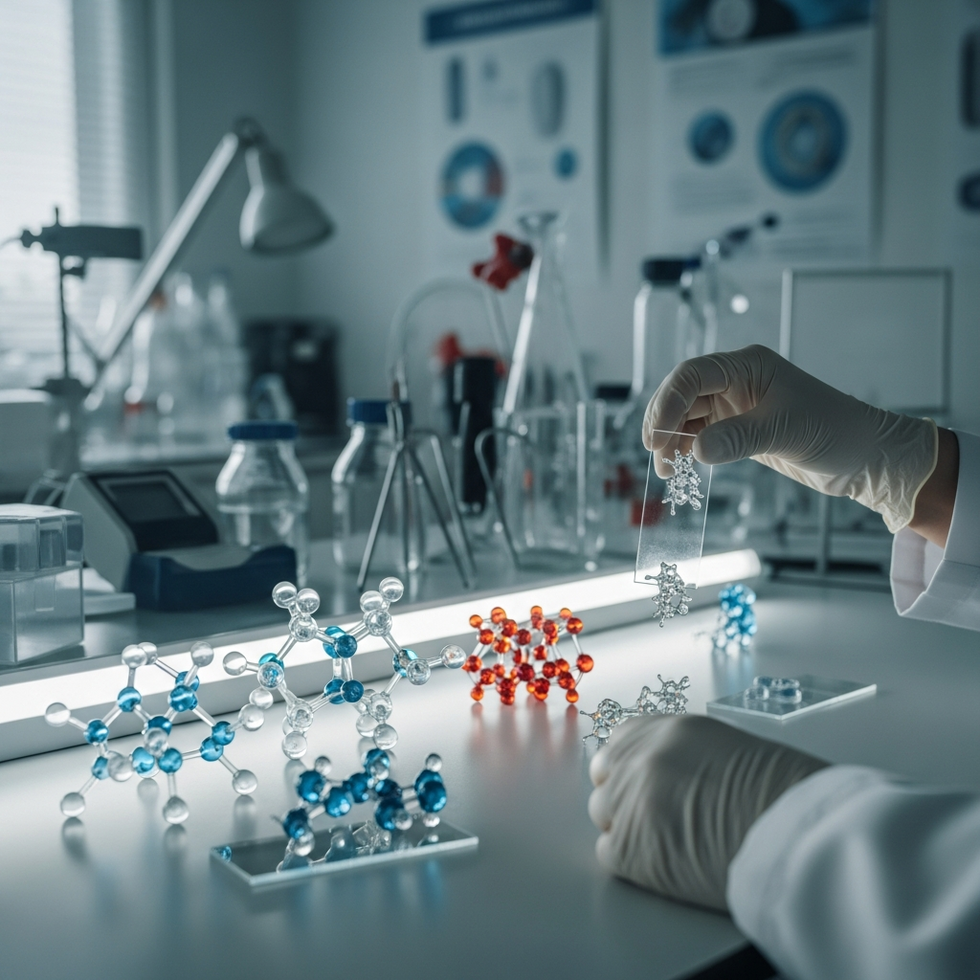
Polymers now play a key role in advanced medical tools. Not just useful but also widely applied - from gentle wound dressings to strong parts inside life-saving equipment. Think about how polyethylene, a common plastic, shows up in implants and lenses. Even polyurethane finds its way into soft implants and seals. Each form helps build reliable systems for healing. These materials adapt quietly behind the scenes. What stands out most is how these polymers can be built with particular traits - flexibility, long life, or the ability to break down naturally - making them suitable for use inside living bodies. Smart polymers that react to physical or chemical changes are now helping shape better kinds of targeted medicine carriers. As methods in making polymers improve slowly over time, they grow closer to what hospitals need without compromising safety. This steady progress brings reliable tools so doctors have stronger choices when deciding treatments. Beyond holding things together, polymers are stepping into new areas - through clever mixes with other materials, they’re helping build solutions in healing tissues, guiding repair processes, and upgrading medical testing, quietly shaping how people recover and live.
Recent Breakthroughs in Polymer Technology for Healthcare
Looking back ten years shows big changes in how polymers are made, thanks to fresh methods and tiny material tools shaping better substances. Take biodegradable versions meant to break down inside once they finish working - these spare doctors from later operations. They now show up more often in sutures, delivery devices for medicine, and structural supports for living tissue. Now imagine sensors so sensitive they spot tiny amounts of biomarkers - this has changed how we diagnose diseases. These tiny sensors rely on special polymer structures that make them far more responsive than before. Beyond detection tools, labs have crafted new organs and devices using long-lasting plastic materials that also get along well with living tissue. Because of improved polymer science, artificial parts now last longer while staying safe inside the body. With help from smart printers shaping high-performance plastics, doctors soon will have tools made exactly for one person. Such leaps quietly reshape medicine, offering sharper accuracy and smarter fits for individual needs. Right now, scientists are exploring materials that change when they sense their surroundings - these shape-shifting plastics might deliver cancer care without harsh reactions, just one hint of where medicine could go with these tools.
Future Perspectives and Challenges of Polymers in Healthcare
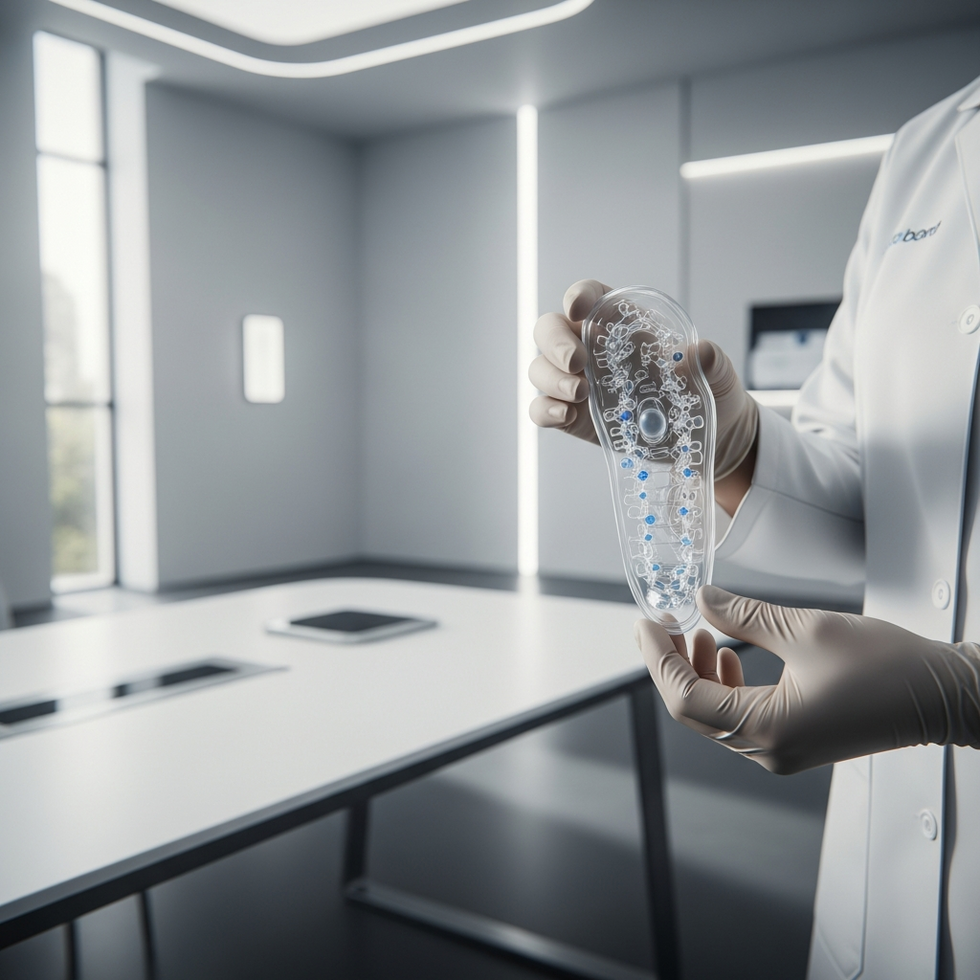
A fresh look at things shows polymers in medicine might grow stronger, though hurdles remain. The way these materials are made and what happens after use brings real concerns. Though biodegradable versions exist, turning them into practical, affordable options that fit daily clinic needs is still unfolding. Still, staying compatible over time while avoiding harmful reactions from the body's defense system needs steady work. Getting approval means following strict rules, testing thoroughly, one step at a time - this might delay progress yet keeps people protected. When fields like material design, living systems, and tiny scale tech come together differently now, new tools could appear: systems that track physical condition as it happens. One way forward? Tying together school research, company work, and government rules to bring new lab ideas into actual medical care. If science keeps getting attention and effort, materials made from polymers might grow more essential - especially in tailored treatments, healing processes, and tiny-surgery methods - helping medicine move ahead long term.



Comments ()