Innovative Advances in Natural Products and Polymers Transforming Health Science in the Netherlands
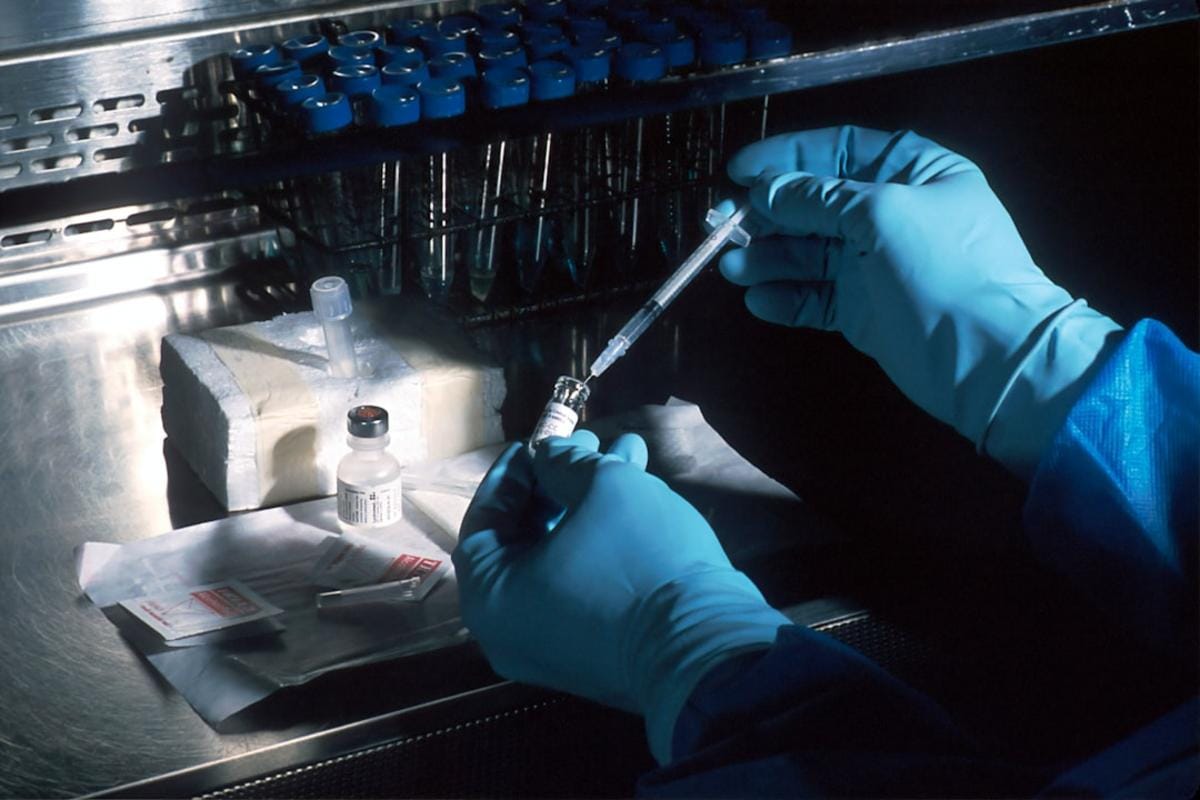
Pioneering Research in Natural Products and Their Role in Health Innovation
Over the past decade, the Netherlands has emerged as a significant hub for groundbreaking research into natural products and their potential application in improving human health. Leading institutions like Wageningen University and the University of Groningen are at the forefront of exploring bioactive compounds derived from plants, fungi, and other natural sources that exhibit promising therapeutic properties. These studies focus on isolating compounds with antioxidant, anti-inflammatory, and antimicrobial effects, which could lead to novel treatments or dietary supplements that supplement traditional medicine. An example includes research on flavonoids from Dutch-native plants showing potential in combating age-related ailments. These discoveries are crucial because they open pathways for developing natural-based pharmaceuticals and functional foods that are both safe and effective. Moreover, the increasing integration of advanced analytical techniques such as mass spectrometry and chromatography allows scientists to better understand the complex chemistry of natural products, thereby accelerating the process of identifying potent compounds suitable for clinical trials.
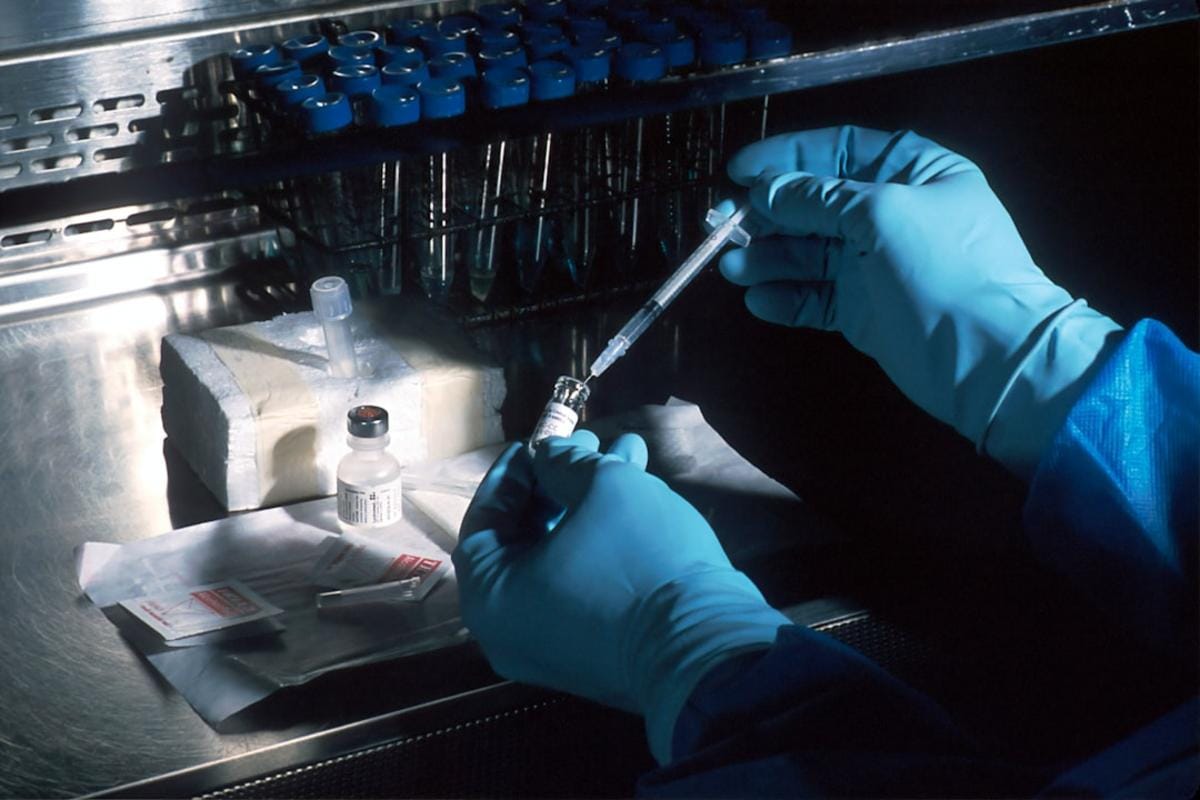
Innovations in Organic Chemistry Enhancing Drug Development Platforms
The application of organic chemistry in health sciences is witnessing a renaissance driven by innovative synthetic methods and sustainable practices. Dutch chemists are leveraging green chemistry principles to develop new synthetic pathways that not only reduce environmental impact but also improve efficiency and yield of complex pharmaceutical compounds. These advancements have profound implications for drug discovery and production, especially in designing molecules with targeted actions against diseases like cancer and neurodegenerative disorders. The integration of computational organic chemistry methods, such as molecular modeling and guided synthesis, enhances our ability to predict biological activity before laboratory testing, saving both time and resources. Additionally, the rise of biocatalysis—using enzymes to facilitate chemical reactions—has opened new avenues for creating highly selective and environmentally friendly compounds. These trends are part of a broader strategy to revolutionize how drugs are developed, making treatments more accessible and sustainable in the future, especially within the Dutch healthcare industry.
Polymer Science Advances Offering New Solutions for Biomedical Applications
Polymer science is experiencing rapid growth in the Netherlands, especially in developing biocompatible and biodegradable polymers that can be used in medical devices, drug delivery systems, and tissue engineering. Researchers are focusing on creating smart polymers that respond to biological stimuli, enabling controlled release of drugs or growth factors at specific sites within the body. Innovations in this area not only promise to improve patient outcomes but also have the potential to reduce costs associated with treatment and device replacement. For example, Dutch biotech companies are collaborating with academic institutions to design polymers that mimic natural tissue properties, facilitating better integration with the human body. These efforts are supported by recent advances in nanotechnology, which allow for the precise engineering of polymers at the molecular level. As a result, the future of health care in the Netherlands is set to benefit from tailored, highly functional polymer materials that can revolutionize regenerative medicine and personalized treatments.
Emerging Trends and Practical Applications Impacting Dutch Healthcare
The landscape of health science in the Netherlands is increasingly characterized by interdisciplinary collaborations that integrate natural products, organic chemistry, and polymers to solve real-world health problems. One notable trend is the development of personalized medicine approaches, where natural compounds and polymer-based delivery systems are tailored to individual patient profiles. Additionally, the emphasis on sustainable and eco-friendly research models aligns with national and European regulatory standards, encouraging the adoption of green methods across laboratories and industry. This synergy between scientific innovation and environmental responsibility not only advances Dutch health research but also sets an example for global practices. Practical applications include innovative dietary supplements fortified with bioactive natural extracts, biodegradable implants designed from advanced polymers, and targeted drug delivery techniques that promise higher efficacy with fewer side effects. Such progress underscores the Netherlands' position as a leader in health science innovation, offering prospects for improved quality of care and sustainable development within the healthcare system.

Comments ()